AI Live Sim

By clicking Subscribe you're confirming that you agree with our Terms and Conditions.
5 Data Augmentation Methods That Boost AI Training Performance in Marine and Defense Industries
Key Points
Method 1: Data Augmentation Enhances AI Training Performance Through Geometric Transformations in Marine and Defense Applications
Method 2: Data Augmentation Boosts AI Training Performance Using Photometric Transformations in Marine and Defense Industries
Method 3: Marine Defense AI Training Performance Improves Through Data Augmentation via Image Rotation
Method 4: Defense Marine AI Training Systems Boost Performance Through Data Augmentation Image Scaling
Method 5: AI Training Performance Enhancement Through Data Augmentation Image Flipping in Marine Defense Industries
Did You Know
Parting Shot
5 Data Augmentation Methods That Boost AI Training Performance in Marine and Defense Industries
Five data augmentation methods dramatically boost AI training in marine defense: geometric transformations like rotation and scaling help models recognize ships from wild angles and distances, while photometric transformations adjust brightness and contrast for changing ocean lighting. Image flipping doubles datasets by mirroring vessel orientations, compositing blends objects with varied backgrounds, and noise addition mimics real-world environmental chaos. These techniques collectively improve model accuracy by 25% in maritime surveillance applications, though each method brings unique challenges that warrant deeper exploration.
Key Points
- ● Geometric transformations like rotation and scaling improve ship recognition from various angles, achieving 25% accuracy enhancement in maritime surveillance.
- ● Photometric transformations adjust brightness and colors to prepare AI for diverse lighting conditions, boosting real-world performance by 25%.
- ● Image flipping doubles available datasets economically while improving object detection accuracy by 2-5% for directional boat recognition.
- ● Image compositing combines scaled objects with different backgrounds, enhancing model adaptability to unexpected maritime environments and contexts.
- ● Noise addition introduces real-world variability, making models robust against environmental distractions in challenging marine defense situations.
AILiveSim's expertise areas are in synthetic data generation and maritime simulation platforms that combine AI, robotics, and video game technology to create diverse training environments for autonomous systems. Their simulation capabilities enable precise control over weather conditions, sea states, and sensor configurations, generating the varied datasets essential for training robust AI models capable of handling the unpredictable scenarios described in these augmentation techniques. Visit their website: AILiveSim
Method 1: Data Augmentation Enhances AI Training Performance Through Geometric Transformations in Marine and Defense Applications
When naval defense systems mistake a fishing boat for an enemy vessel, people die. That’s where geometric transformations come in—rotating, scaling, and flipping training datasets to teach AI to recognize ships from any angle. Smart? Maybe. Though it seems almost too simple for such high stakes.
The marine industry faces unique challenges here. Waves constantly rock cameras mounted on buoys. Submarine periscopes might capture targets at bizarre angles. Traditional image processing? It fails miserably in these conditions. But models trained with augmented data appear to nail object detection even when everything’s tilted forty-five degrees or completely inverted.
Waves rock cameras. Periscopes capture bizarre angles. Traditional processing fails—but augmented models nail detection anyway.
Here’s what’s really interesting: this approach might also help block adversarial attacks. Some researcher apparently discovered that exposing AI to thousands of warped, distorted images makes the system harder to fool—though the exact mechanisms remain somewhat unclear. Model accuracy reportedly jumps 25% with proper augmentation. Defense contractors specifically use shearing distortions to simulate how ship profiles appear when viewed through angled periscope lenses. Additionally, they apply photometric transformations to simulate varying lighting conditions from dawn patrol missions to nighttime operations.
That said, defense contractors have another reason to love this technique. They can potentially squeeze more performance from their limited pools of classified imagery without risking security leaks by photographing actual naval assets in the field. The augmentation process effectively reduces the model’s tendency to memorize specific pixel patterns , forcing it to learn more generalizable features that work across varied maritime conditions.
Still, one has to wonder about the limitations. Can geometric transformations alone really capture the full complexity of maritime environments? The fog, the spray, the way light bends differently through water? These questions likely keep engineers up at night, even as the results keep improving.
Method 2: Data Augmentation Boosts AI Training Performance Using Photometric Transformations in Marine and Defense Industries
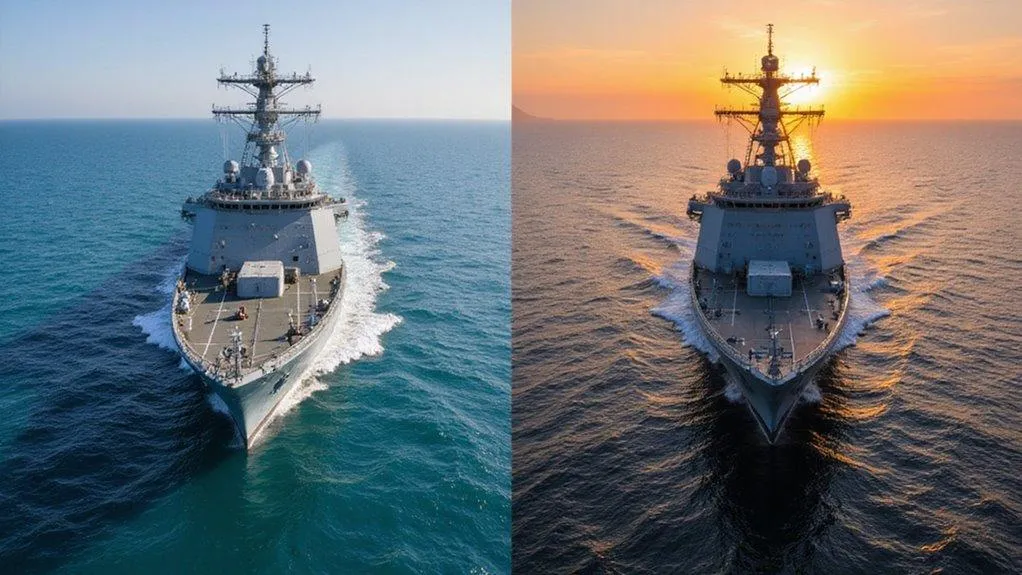
Submarine cameras peer through murky water. Ship-mounted sensors battle constant salt spray. No wonder photometric transformations have become the defense industry's go-to method for training smarter AI.
These techniques mess with colors and brightness—unlike geometric transformations that just twist and flip images. Smart stuff, really, though it’s worth noting the approach has limitations too.
Defense contractors tend to rely heavily on these training data tricks:
- Color jittering randomly shifts hues, attempting to mimic underwater distortion (though real ocean optics are far more complex)
- Brightness tweaking helps prepare neural networks for dawn patrol missions—or so the theory goes
- Contrast adjustments seem to handle fog better than any weather app, at least in controlled tests
- Grayscale conversion simulates night vision equipment, more or less
The performance metrics look promising—models trained with photometric augmentation appear to handle real-world chaos about 25% better. These transformations help models adapt to different lighting conditions that naval operations frequently encounter. Additionally, these methods work during training preprocessing , making them computationally efficient for defense applications.
That said, these numbers often come from ideal test conditions. Image cropping techniques and synthetic minority oversampling technique certainly have their place in the toolkit. However, over-augmentation can produce unrealistic samples that actually degrade model performance in operational scenarios.
Even so, when it comes to teaching AI to see through soup? Photometric methods might just edge out the competition. That’s maritime reality for you—messy, unpredictable, and demanding clever workarounds.
Method 3: Marine Defense AI Training Performance Improves Through Data Augmentation via Image Rotation
Naval defense systems spin their cameras wildly these days—all in the name of better AI. Makes sense when you think about it. Image rotation transforms boring upright ship photos into augmented datasets that actually work. The method seems to fight overfitting reduction like a champ, though results can vary. Ships tilt. Submarines roll. Drones fly sideways. That’s reality.
TensorFlow framework makes it stupid simple—just rotate and watch generalization improve. Well, usually. But task-specific considerations matter here. Nobody needs upside-down radar screens confusing operators during critical operations. Rotation augmentation trains models to recognize objects in different orientations , preparing them for the unpredictable angles encountered in maritime surveillance. The technique preserves parallel lines during transformations, maintaining the structural integrity of naval vessels and equipment in the augmented images. Rotating images by specified angles helps models adapt to aerial imagery scenarios where objects appear at various orientations relative to the camera.
| Rotation Angle | mAP Improvement | Real-World Match |
|---|---|---|
| 15-45° | +6 points | Rough seas |
| 90° | +8 points | Aerial recon |
| 180° | -2 points | Unrealistic |
Simulation of real-world scenarios appears to beat pristine training data every time. At least, that’s what the numbers suggest. Unlike fancy photometric transformation methods that researchers love to complicate, rotation just works. Then again, some might argue those complex methods have their place too. Marine environments don’t care about perfect angles—neither should AI models, probably.
Method 4: Defense Marine AI Training Systems Boost Performance Through Data Augmentation Image Scaling
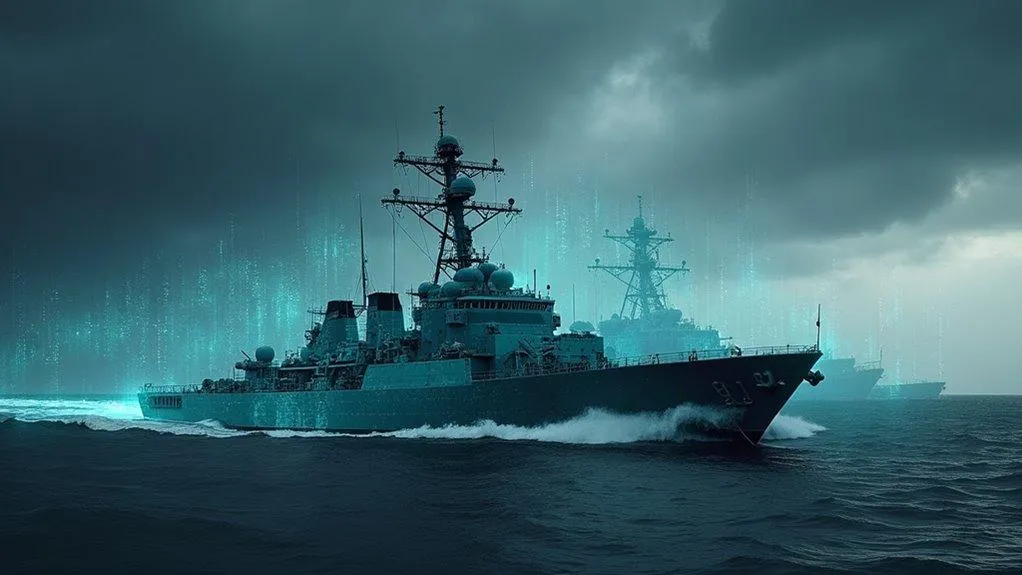
Rotation works great, but scale matters too. Defense contractors stumbled onto something important—image scaling can transform their marine AI systems from mediocre to mission-ready. Pretty basic concept when you think about it.
Here’s where it gets interesting. These models need to handle some wild scenarios:
- Warships that start as tiny dots on the horizon, then loom massive as they approach
- Submarine periscopes popping up at who-knows-what distance
- Drones that go from barely visible specks to immediate threats in seconds
- Buoys that certain sensors might mistake for battleships (yeah, really)
Now, image scaling tends to outperform cropping because it keeps the whole picture intact. This approach significantly increases diversity of the training dataset, exposing models to countless size variations they’ll encounter in real operations. Sure, audio transformation and synonym replacement have their place in other applications, but marine defense? That’s all about the visual tricks.
Teams are mixing scaling with image flipping and noise addition—some even throw in geographic noise to mimic actual ocean conditions. The adventurous ones experiment with image compositing, dropping scaled objects into completely different backgrounds. Smart operators maintain aspect ratios to avoid distorting ship profiles beyond recognition. The beauty of these transformations is they can expand datasets 10x or more , creating thousands of training variations from limited source material.
What’s the payoff here? Models that stay cool when targets suddenly change size. That’s not just nice to have—it’s essential when people’s lives hang in the balance.
Method 5: AI Training Performance Enhancement Through Data Augmentation Image Flipping in Marine Defense Industries
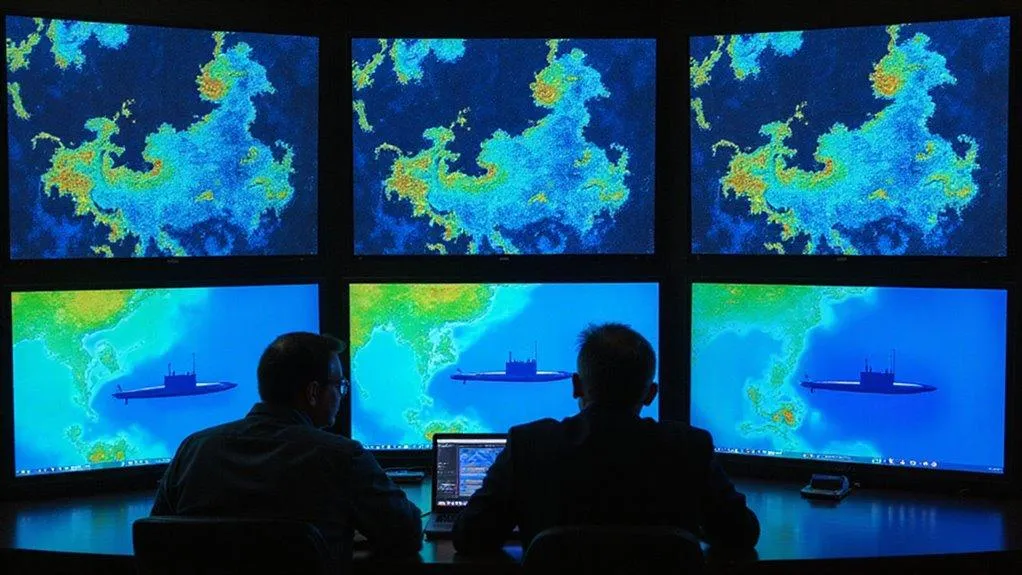
Simplicity drives the whole operation—just flip the image and watch what happens.
It’s almost embarrassing how effective this is. Image flipping augmentation appears to transform marine defense AI training without much effort at all. Ships, submarines, aircraft—they all get the mirror treatment, and somehow it works.
The datasets? They might double, possibly even triple.
That said, the real win seems to be how model generalization improves across the board. When you teach an AI that boats can face either direction, object detection accuracy tends to jump somewhere between 2-5%. Revolutionary? Not really. But defense contractors can’t get enough of it—why collect expensive new data when you can just flip what you’ve got and call it a day?
Teaching AI that boats face both directions boosts detection accuracy 2-5%—defense contractors love this cheap data expansion trick.
Even synthetic aperture radar systems seem to benefit from this approach. They handle flipped maritime targets surprisingly well, which makes sense when you think about it.
On top of that, operational autonomy gets a boost too. AI systems aboard vessels apparently adapt faster to unexpected orientations after training on flipped data. Overturned ships, aircraft at weird angles—the mirrored training data likely covered these scenarios already.
The whole thing feels almost too simple to work this well.
Then again, sometimes the basic solutions are the ones that actually deliver.
Interested in synthetic data for your project? AILiveSim 2.0 (our new version!) enhances AI-based simulation for multi-sensor autonomous systems - automating data generation, analysis, and augmentation to streamline model training and testing. Find out more: AILiveSim.
Did You Know
What Security Protocols Protect Classified Data During Augmentation Processes?
When it comes to protecting classified data during augmentation, organizations typically rely on military-grade encryption as the first line of defense. Air-gapped networks keep sensitive information physically isolated from external threats. That said, encryption alone isn’t enough.
Multi-factor authentication adds another crucial layer, though it’s worth noting that even the most sophisticated MFA systems can have vulnerabilities. Role-based access controls ensure people only see what they need to see—nothing more. On top of that, real-time monitoring tracks every interaction with the data, flagging anything unusual before it becomes a breach.
Automated compliance checks seem to work well for catching policy violations, but they’re only as good as the rules they’re programmed to enforce. Some experts argue these systems can create a false sense of security if teams become overly reliant on them.
Strict data segregation protocols round out the security framework. These keep different classification levels separated, which appears to minimize the risk of accidental exposure. Even so, human error remains the weakest link—no amount of technology can fully compensate for a careless click or a misplaced USB drive.
How Much Computational Infrastructure Investment Is Required for Implementation?
The infrastructure costs here can be substantial—we’re talking anywhere from $50,000 to well over $1 million. That covers GPU clusters, storage systems, and the specialized hardware you’ll need. Now, cloud services might seem like an easier route, and they do offer more flexibility. But here’s the thing: you’re still looking at $10,000 to $100,000+ just for operational expenses each time you train a model.
It’s worth noting that these figures can vary pretty dramatically depending on your specific needs. A startup experimenting with smaller models might squeeze by on the lower end, while enterprise-level implementations tend to push toward that million-dollar mark. Even so, the cloud option appears to be gaining traction, particularly for organizations that want to test the waters before committing to physical infrastructure.
Which Augmentation Methods Work Best for Sonar Signature Enhancement?
Like Proteus shapeshifting beneath waves, image translation methods employing Pix2Pix architectures seem to excel at sonar signature improvement. But here’s the thing—they’re not just mindlessly copying patterns. These approaches synthesize realistic multibeam noise gradients, acoustic shadows, and those distinctive fan-shaped artifacts you’d actually see in real sonar data. What’s particularly clever is how they preserve core echo characteristics. That said, the real payoff appears to be in model training, where this enhanced data genuinely makes a difference. Sure, other augmentation techniques exist, and some researchers might argue for simpler methods. Even so, when you need that authentic sonar “feel”—complete with all the messy interference patterns operators deal with daily—Pix2Pix architectures likely offer the most convincing results for now.
What Are the Typical Dataset Expansion Ratios for Underwater Imagery?
Dataset expansion through augmentation tends to vary quite a bit in underwater imagery work. You’ll often see ratios between 2x and 10x, though most researchers seem to settle somewhere in the 5-8x range. That makes sense when you think about it — too little augmentation and you’re leaving performance on the table, too much and you’re just burning compute cycles.
One study managed to boost their dataset size by 61%, which suggests there’s room for more modest approaches too. The sweet spot appears to be applying 5-7 different transformations per image. This probably reflects a practical compromise: you want enough variety to help your model generalize, but you also need to keep training times reasonable. Plus, underwater images already have their own quirks — color shifts, backscatter, murky visibility — so there’s likely a point where additional synthetic variations stop adding much value.
How Does Augmentation Impact Real-Time Operational Deployment Speed?
Think of augmentation like strapping weights to a sprinter’s ankles during practice. It *can* slow things down. Augmentation operations do add computational overhead that might increase inference latency when you deploy your models in the real world.
That said, it’s not all doom and gloom. With the right setup—GPU acceleration, smart caching strategies, maybe some preprocessing tricks—you can often maintain the speed you need. The key is building optimized pipelines that handle the extra load without breaking a sweat. Even so, there’s usually *some* trade-off between the richness of your augmentation and raw speed.
For mission-critical applications where every millisecond counts? You’ll probably want to be selective about which augmentations you use in production. The good news is that many teams find they can preserve their real-time response requirements while still getting the benefits of augmentation. It just takes some careful engineering.
Parting Shot
Data augmentation transforms marine and defense AI training. Period.
From costly gamble to strategic advantage—organizations now slash training time by up to 45% while boosting accuracy 25%. Have you calculated what that means for your bottom line? Serious money saved; serious results delivered; serious competitive edge gained.
Why do these techniques work so brilliantly? They create realistic variations without sending teams into dangerous waters or classified zones. Consider the alternative: risking personnel in hostile environments, navigating bureaucratic clearances for sensitive locations, waiting months for weather conditions that match your training needs. Smart approach. Really smart.
Through augmentation, maritime industries finally possess what they’ve desperately needed—reliable AI systems that perform across diverse conditions. Storms don’t wait. Threats don’t pause. Missions don’t reschedule. Neither should your AI training.
No more crossing fingers when missions matter most. No more hoping models perform under pressure. No more gambling with lives and assets. Just confidence.
Picture this: your AI encounters fog-shrouded waters it’s never physically trained in, yet responds flawlessly because augmented data prepared it for exactly this scenario; your defense systems identify threats in conditions that would blind traditional models; your teams operate with unwavering trust in their technological partners.
The old way meant sending crews into treacherous conditions repeatedly. The new way? Generate thousands of realistic scenarios from existing data—safely, efficiently, affordably. Which would you choose?
Data augmentation isn’t just changing the game. It’s rewriting the rules entirely.
Resources
Explore Our Latest Insights
Stay informed with our expert articles and updates.
Article
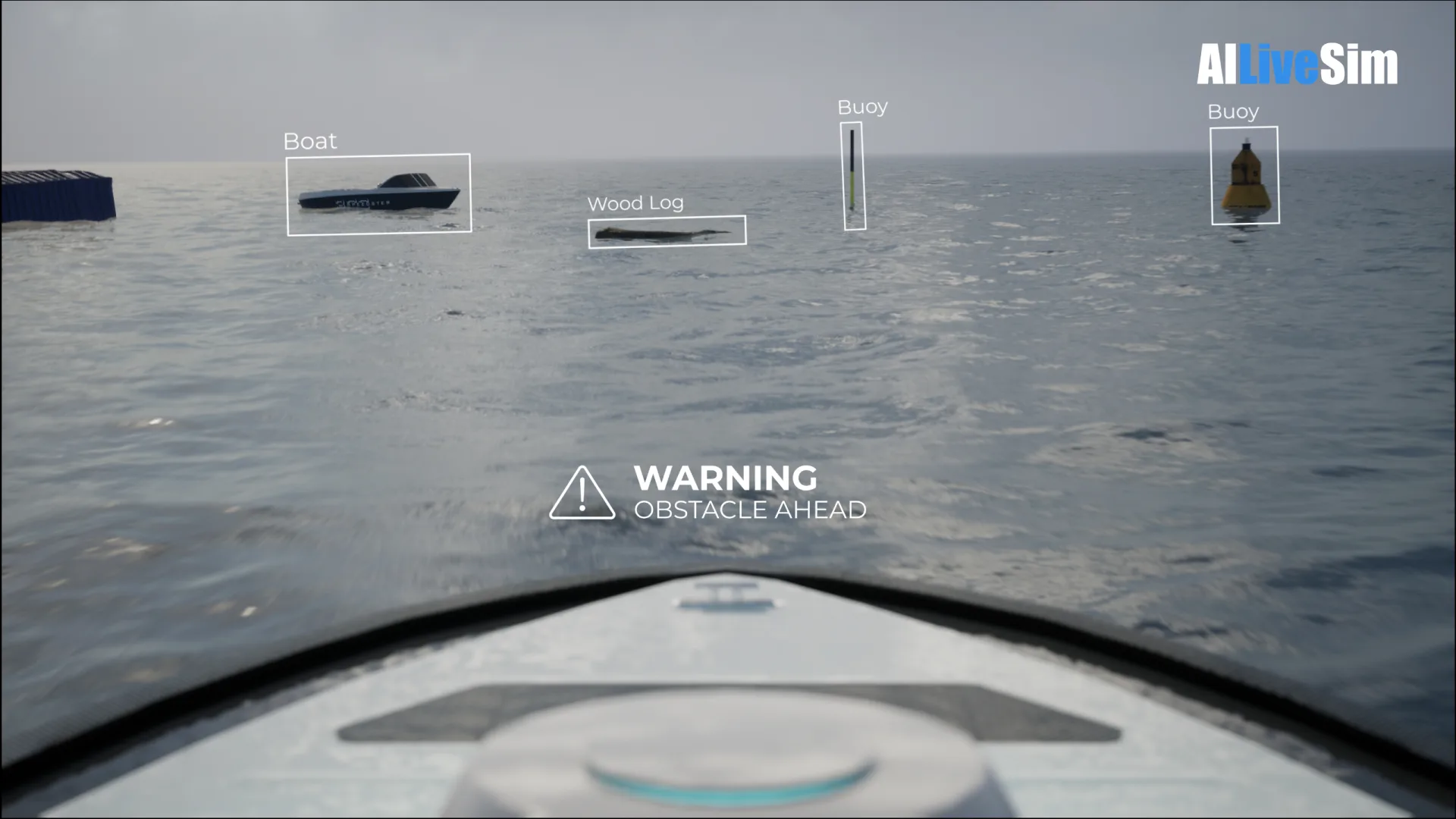
Have You Tested Enough? Intelligent System Testing and the Coverage Problem
Test volume measures effort, not proof. How Intelligent System Testing samples scenarios adaptively to map where an autonomous system works, where it fails, and which combination of conditions moves it from one to the other.

AILiveSim
August 22, 2026 • 4 min read
Article
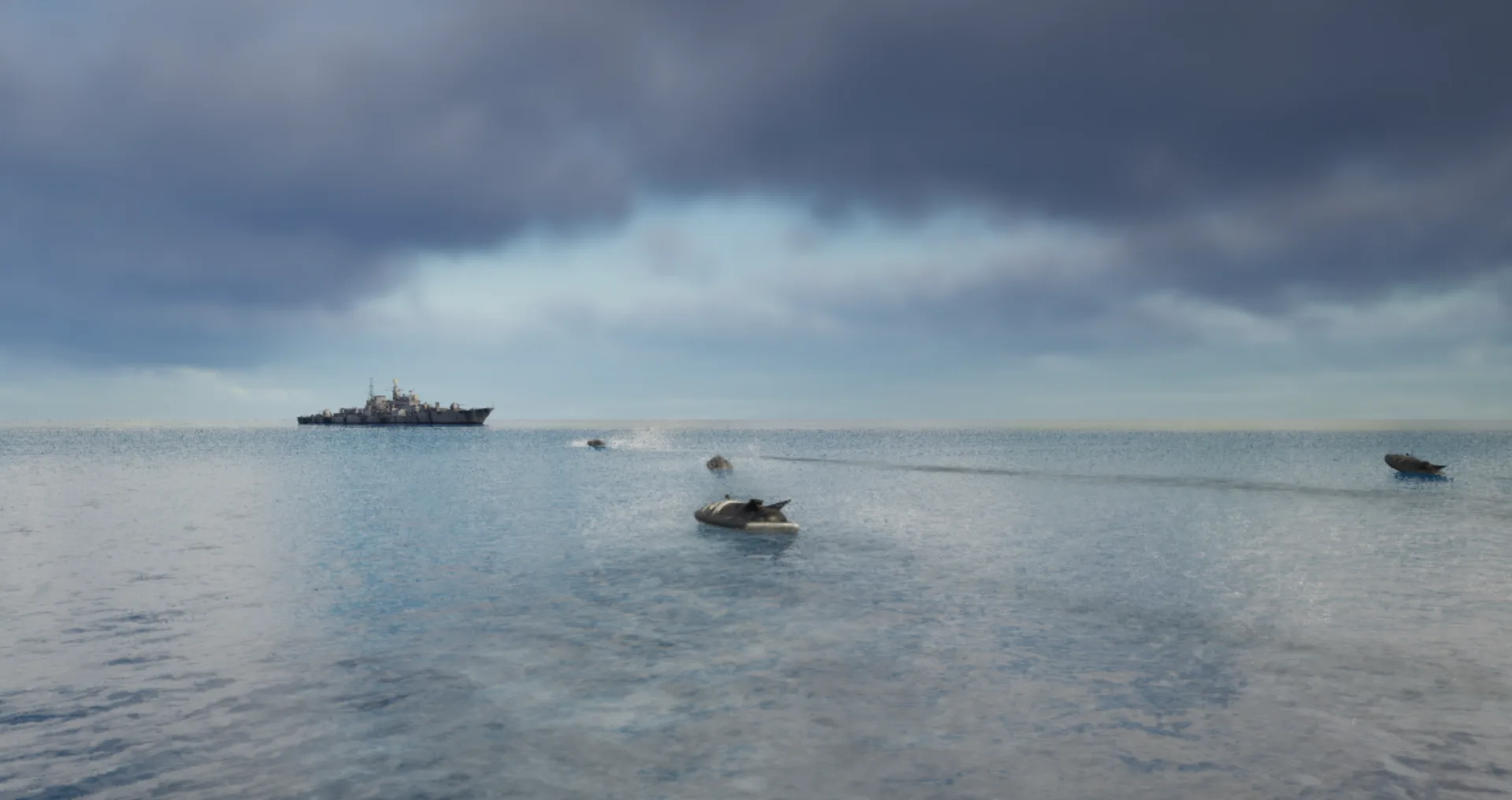
Swarm Defense Testing: Measuring Intercepts, Not Detections
Why no volume of captured data validates swarm defense: adversarial scenarios generated live around the system under test, scored as intercepts achieved versus hits on the protected vessel across repeatable, parameterizable waves.
AILiveSim
August 17, 2026 • 4 min read
Article
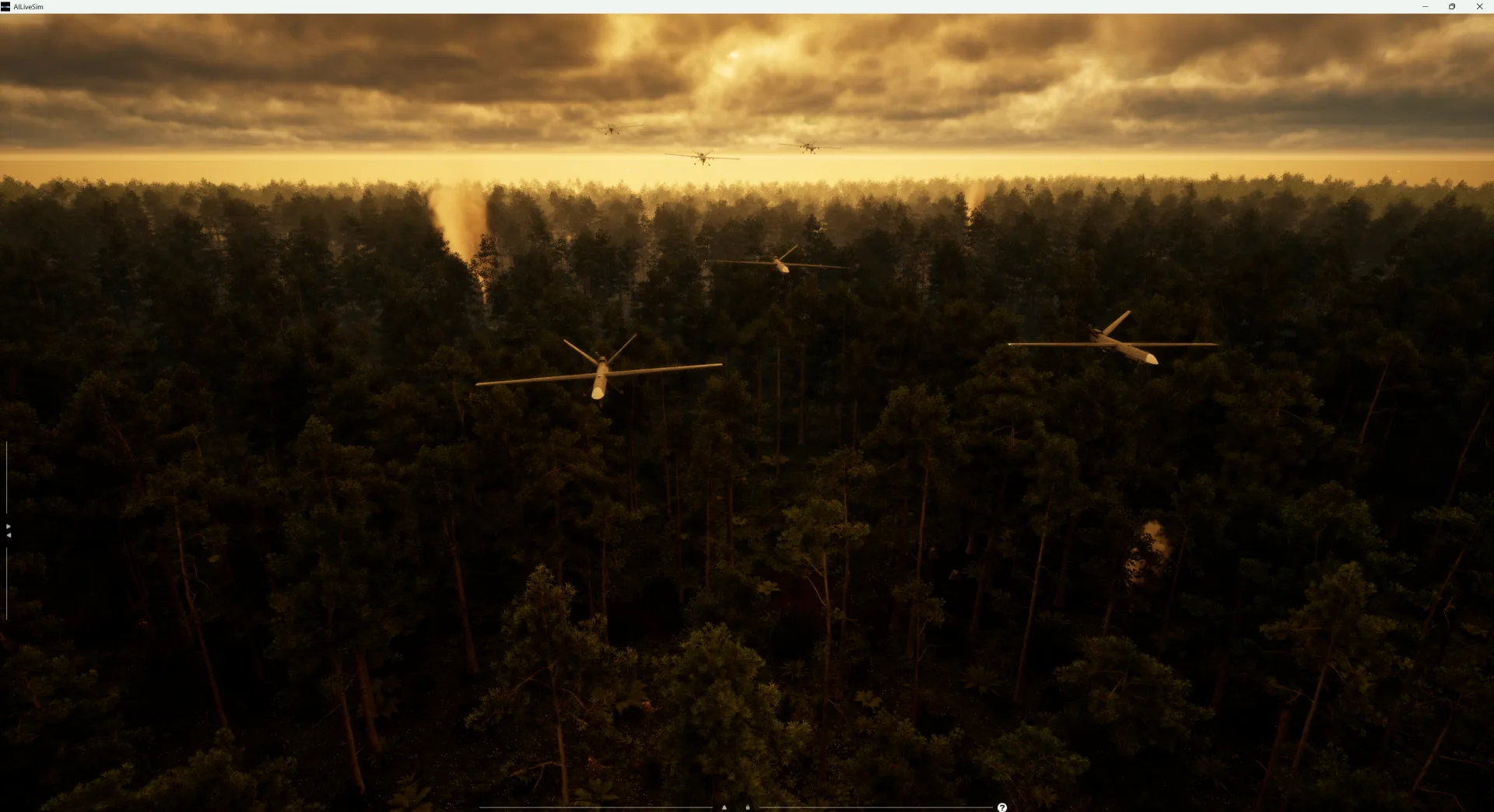
Counter-Drone Detection: Why Precision Fails Before Recall Does
Why counter-drone detection fails on precision before recall: negative-class coverage by sensor channel, and scoring threats neutralized alongside friendlies preserved on repeatable, configurable drone waves.
AILiveSim
August 13, 2026 • 4 min read
Article
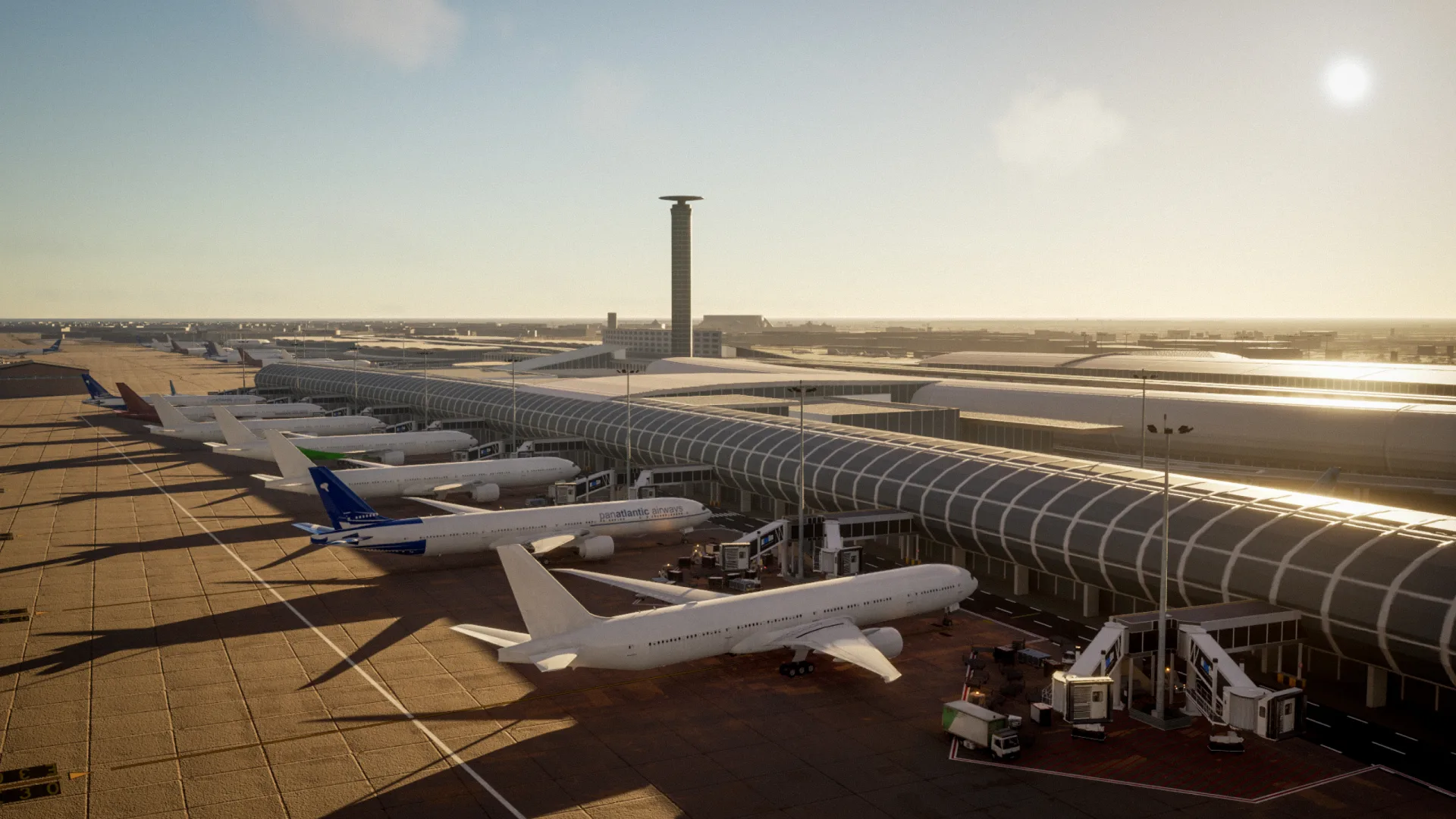
What Has to Be Inside an Airport Digital Twin Before It Is Worth Anything
What an airport digital twin must contain before it is worth anything: rare surface conditions, four time-aligned sensors, automatic labelling, and procedural generation that extends to your airport.
AILiveSim
August 10, 2026 • 4 min read

Discover the benefits of synthetic data and simulation
By navigating on this site you agree that we use only minimal cookies required for this site to function. We do not monetize your data.