AI Live Sim

By clicking Subscribe you're confirming that you agree with our Terms and Conditions.
Why Anti-Collision Systems for Military Drones Transform Battlefield Intelligence
Key Points
How Anti-Collision Systems Turn Military Drones into Persistent, Trustworthy Intelligence Assets
From Helicopters to Drones: What a Simulation-Driven Anti-Collision Program with AILiveSim Teaches Us
Why Sensor-Rich, Simulation-Tested Anti-Collision Is Now a Core Battlefield Intelligence Capability
Frequently Asked Questions
Parting Shot
Article
Why Anti-Collision Systems for Military Drones Transform Battlefield Intelligence

November 17, 2025 • 25 min read


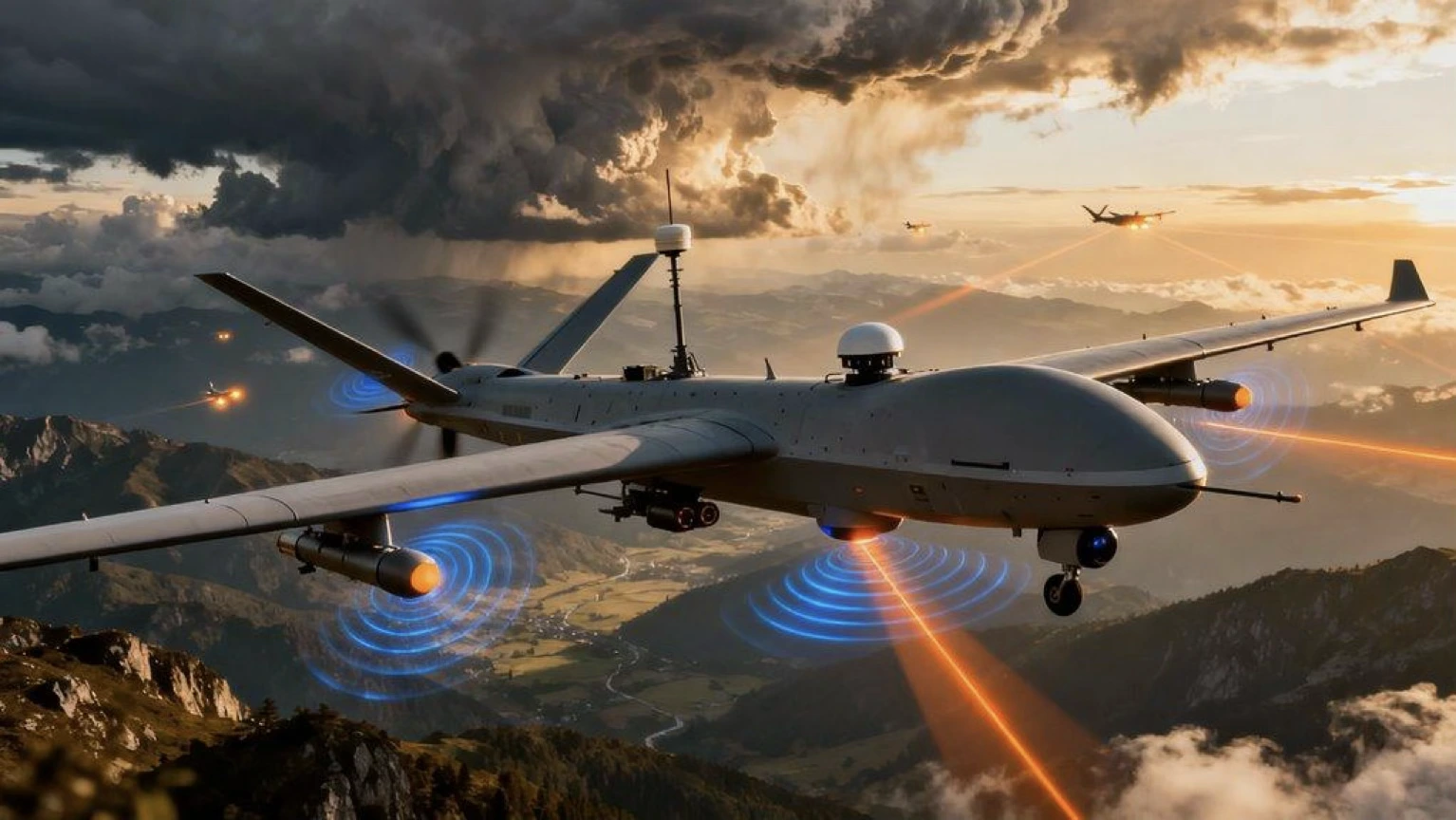
Military drones with anti-collision systems don’t just dodge obstacles—they transform battlefield intelligence entirely. These systems enable persistent ISR missions, keeping eyes on targets without crashing into buildings or getting shot down. Real game-changer? They make split-second survival decisions autonomously while feeding commanders continuous intel. Sensor fusion, and object detection algorithms work together, creating drones that navigate chaos like seasoned pilots. The tech neutralizes threats, including enemy swarms. There’s more to this intelligence transformation than meets the eye.
Key Points
- ● Anti-collision systems enable persistent ISR operations by eliminating crash risks, ensuring continuous battlefield intelligence gathering without interruption.
- ● AILiveSim enabled helicopter OEM to train anti-collision AI through unlimited crash simulations, replacing dangerous costly field tests
- ● Sensor fusion technology merges radar with object detection algorithms, providing real-time autonomous navigation and enhanced situational awareness in complex environments.
- ● These systems neutralize emerging threats including drone swarms, maintaining operational effectiveness against counter-drone technologies in contested airspace.
AILiveSim's expertise areas are in simulation-in-the-loop testing and synthetic data generation for autonomous defense systems, particularly multi-sensor anti-collision technologies that enable military drones to navigate complex battlefields through validated AI models trained on large amounts of simulated edge-case scenarios. AILiveSim aims to build trust in AI synthetic data solutions, earning confidence from defense contractors and military operators who rely on our platform to validate mission-critical autonomous systems before deployment. Visit our website AILiveSim.
How Anti-Collision Systems Turn Military Drones into Persistent, Trustworthy Intelligence Assets
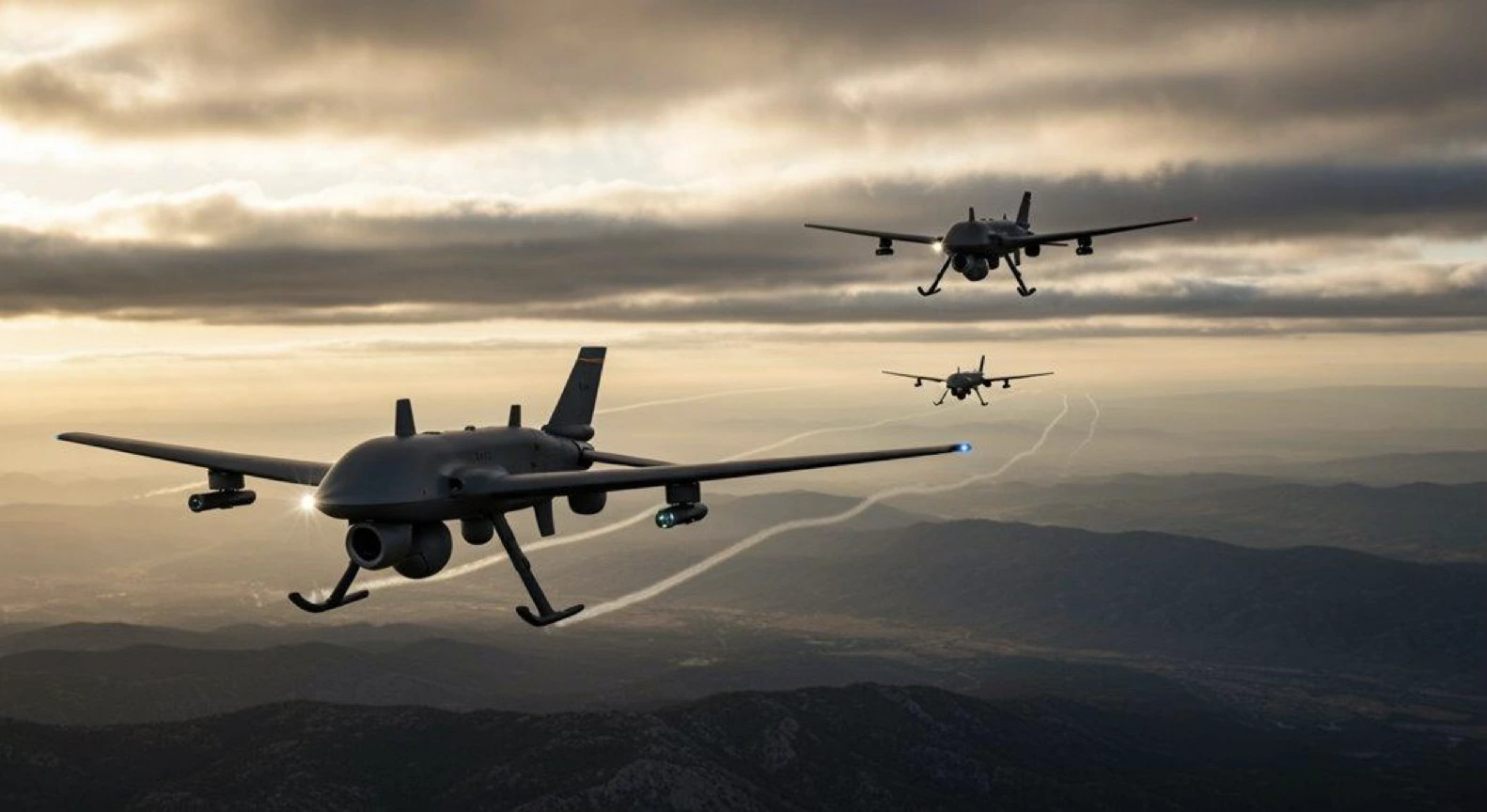
Military planners dream of “persistent ISR.” In practice, that means drones that watch everything, all the time, without crashing into obstacles, and without broadcasting so much radar energy that enemy sensors can easily find and kill them.
Modern anti-collision stacks solve this tension with smart sensor fusion: EO/IR and passive feeds do most of the work, while low-probability-of-intercept radar and tightly managed emission patterns only come in when needed.
The result is the real holy grail, eyes in the sky that stay aloft, stay safe, and still respect EMCON (emission control).
Then they act.
Instantly.
Consider how these systems orchestrate their digital ballet: radar pulses sweep the sky, cameras scan for threats, processors crunch billions of calculations per second—all while your drone maintains its vigil overhead. Modern platforms like the RQ-4 Global Hawk leverage these technologies to maintain continuous surveillance at 60,000 feet for over 30 hours, covering vast operational theaters.
Why should this matter to modern warfare? Because persistence equals intelligence superiority; intelligence superiority equals battlefield dominance. Never before have autonomous systems demonstrated such reliability. These systems exemplify decentralized control, allowing each drone to make split-second survival decisions without waiting for human commands. The same technology that evades threats also protects against emerging counter-drone capabilities, as adversaries deploy everything from RF jamming to laser systems designed to neutralize aerial surveillance assets.
From contested airspace to crowded urban environments, these collision avoidance technologies ensure that drones don’t just survive—they thrive, gathering intelligence hour after hour, day after day, transforming raw data into actionable insight while hostile forces wonder how these mechanical sentinels seem to predict and avoid every threat with supernatural precision.
The future of warfare flies on algorithms that never sleep.
From Helicopters to Drones: What a Simulation-Driven Anti-Collision Program with AILiveSim Teaches Us
Picture this: virtual helicopters crash. They crash again. They crash a thousand times into power lines, buildings, mountainsides—and nobody dies.
Welcome to AILiveSim, where a major helicopter OEM recently transformed their anti-collision development by simulating the impossible: night flights through fog near power lines, urban low-visibility scenarios, and drone collision threats—all previously untestable in reality.
In traditional testing, every collision costs millions; here in the digital realm, algorithms learn from failure after failure until mastering the art of not hitting things. The OEM's next-generation anti-collision system now trains across infinite permutations of weather, terrain, and obstacles using AILiveSim's Unreal Engine-powered environment with real-time multi-sensor fusion—radar, LiDAR, infrared, and visible cameras operating in perfect synchronization. Here’s the link to the Customer Case , if you want to read more.
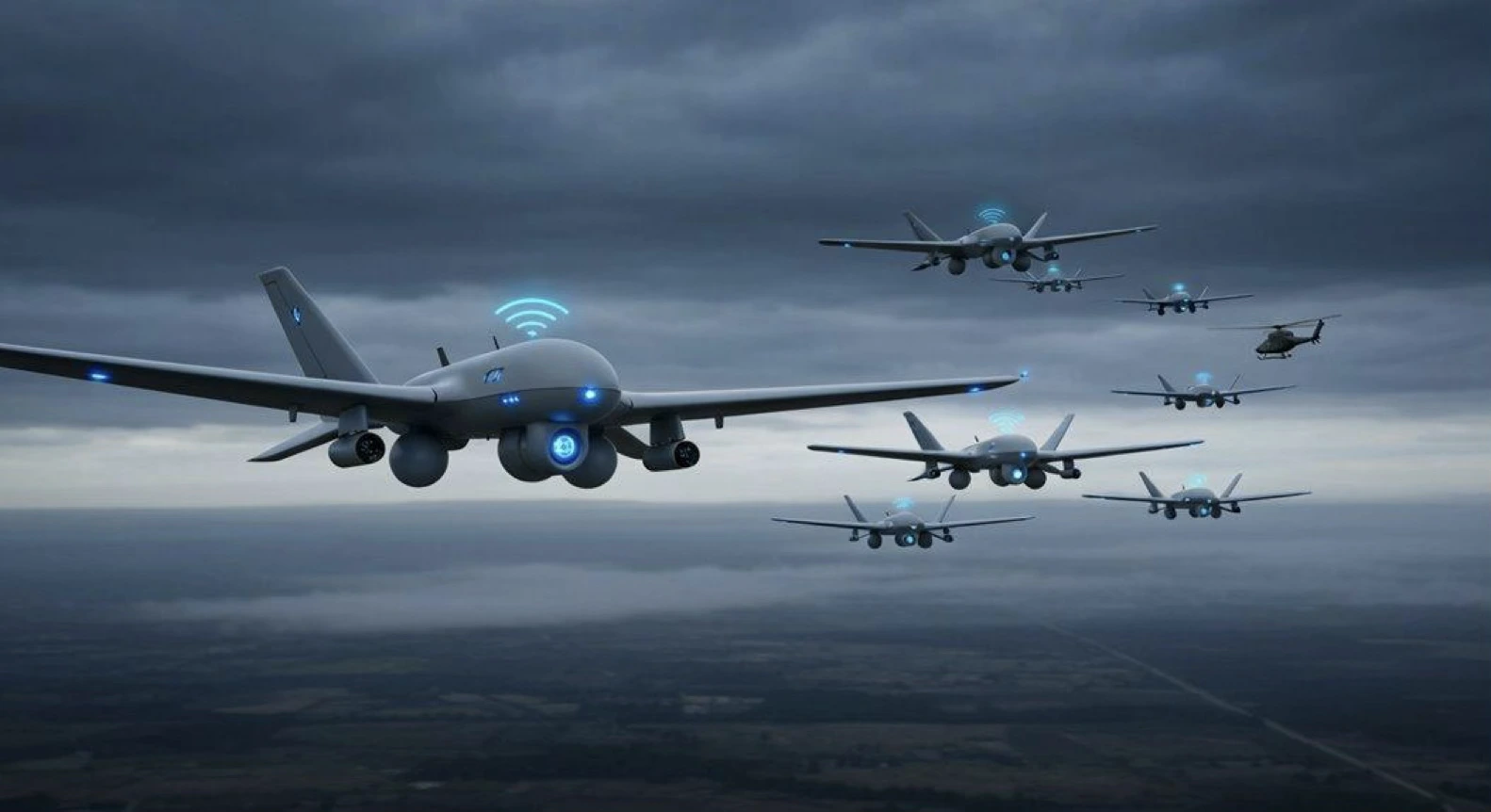
The Army’s new AI Target Detection and Recognition (AiTDR) counter-drone system follows a simulation-first logic, with engineers using a digital-twin environment to train and validate the AI against hostile drones long before it’s installed on real combat platforms. The Navy’s Optimized Cross-Domain Swarm Sensing (OCDSS tool) software likewise runs thousands of high-speed virtual swarm scenarios to determine the most effective mix of unmanned air, surface, and subsurface systems for each mission before deployment.
Consider the economics: real crashes devastate budgets, virtual crashes cost pennies. Why risk actual hardware when pixels suffice? As the helicopter OEM's program lead noted: "AILiveSim offered the variability and realism our project demanded"—from multi-sensor defects to AI-in-the-loop training.
AILiveSim doesn't just test; it teaches, torments, transforms these systems through physics-based logic and visual realism until they achieve something approaching wisdom. Where traditional simulators lack variability, AILiveSim delivers full-environment flexibility, preparing autonomous systems for airborne certification while replacing costly field trials with repeatable science.
Why Sensor-Rich, Simulation-Tested Anti-Collision Is Now a Core Battlefield Intelligence Capability
Drones can’t dodge missiles over cities. They can’t test sensors in active warzones. Where does that leave military operators who need battle-ready machines—machines that won’t fail when everything goes wrong?
Simulation.
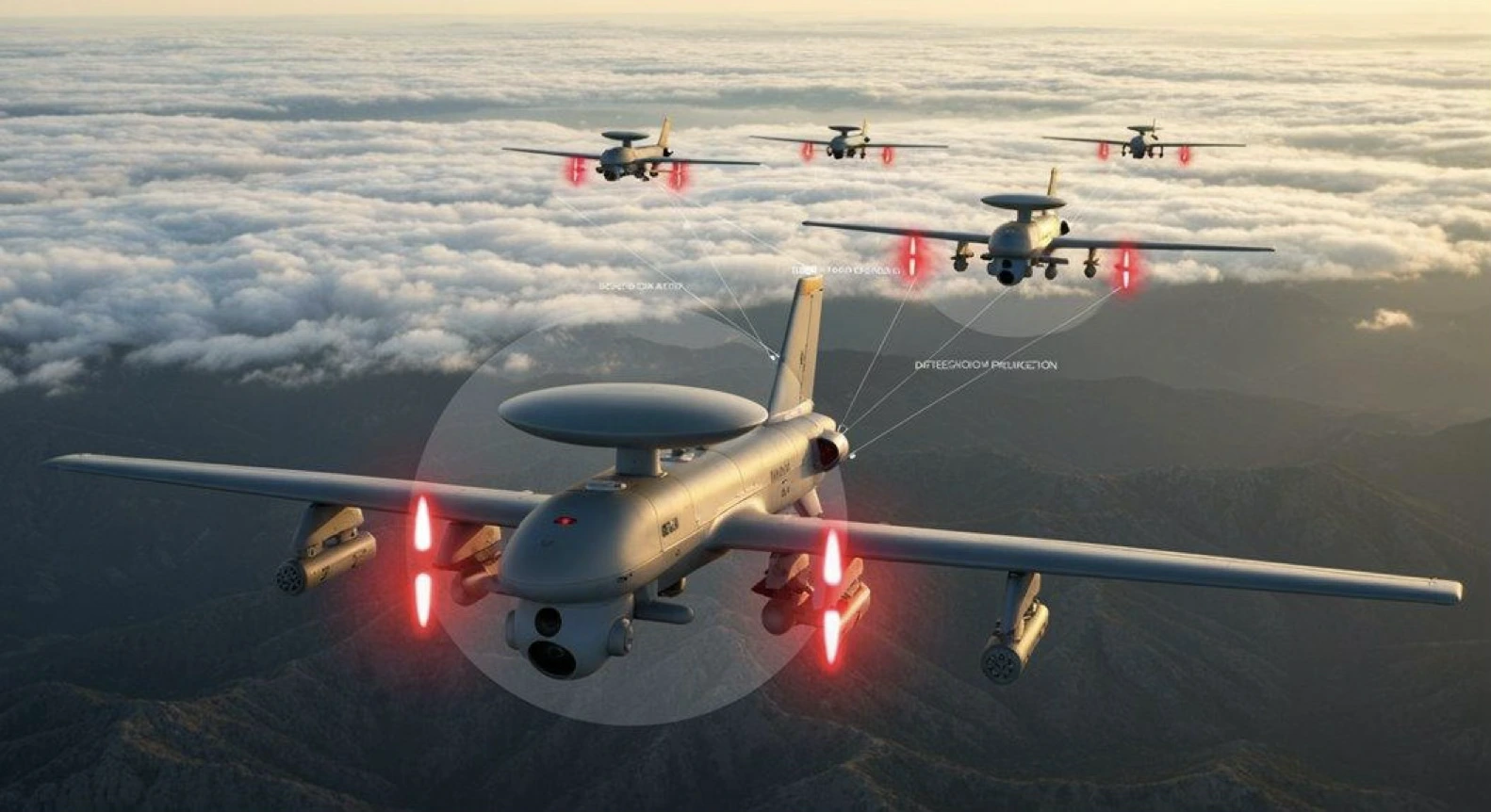
Consider the nightmare scenarios: swarms of hostile drones converging from three directions; GPS signals vanishing while you navigate mountain passes at night; electronic warfare attacks scrambling every sensor you depend on to survive. Modern jammers achieve this through barrage jamming, saturating wide frequency ranges simultaneously to overwhelm drone communications. These anti-collision systems need exposure to thousands of edge cases, each one potentially fatal, each one impossible to practice in reality.
Through mountain passes, through jamming zones, through electromagnetic chaos—AILiveSim and similar platforms create these hellscapes digitally, letting machines learn from disasters that haven’t happened yet. Picture yourself piloting a drone through contested airspace: sensors screaming warnings, countermeasures deploying, enemy swarms approaching. At Camp Atterbury, Epirus demonstrated their Leonidas system downing 49-drone swarm in a single burst—the exact threat anti-collision systems must navigate around, not through.
Military machines learn through repetition; they master through variation; they survive through preparation that only simulation can provide.
No populated area becomes a testing ground. No friendly forces risk becoming casualties of experimentation. Instead, these platforms train on synthetic battlefields where failure costs nothing but computational cycles, where edge cases multiply infinitely, where the worst-case scenario plays out ten thousand times before a single drone launches into hostile skies.
Training Anti-Collision Models on the Scenarios Real Flights Can’t Safely Cover
Nobody flies a million-dollar military drone into power lines. Not for testing. Through simulation, however, we create the unthinkable scenarios—the catastrophic collisions, the near-misses, the split-second decisions that separate survival from disaster.
Consider what real-world testing would demand: pilots deliberately steering their aircraft toward obstacles, engineers watching millions in hardware potentially vaporize, insurance companies having cardiac arrests at their desks. Synthetic sensor data eliminates these nightmares; it feeds our hungry models with impossible situations.
In this virtual realm, drone swarms converge at supersonic speeds, environmental extremes push systems beyond their breaking points, and emergency procedures unfold in sequences too dangerous for any test pilot to attempt in reality. Safe. Repeatable. Essential.
You might wonder: can simulation truly replace physical testing? Here’s the answer—it doesn’t replace it, it transcends it. Where real flights stop, simulation begins. Where real flights hesitate, simulation accelerates. Where real flights risk everything, simulation risks nothing.
Nothing.
Collision avoidance models feast on this data. Object recognition sharpens its edge against synthetic threats. Without a single propeller blade bent, without a fuselage cracked, without a dollar wasted on replacement parts, these systems learn to navigate chaos.
The same principle drives counter-UAS training where soldiers practice drone acquisition and target engagement through controlled scenarios that replicate enemy tactics without risking actual combat losses. Advanced simulations provide the realistic training experiences that prepare operators for complex battlefield scenarios without endangering personnel or equipment.
Interested in synthetic data for your project? AILiveSim enhances AI-based simulation for multi-sensor autonomous systems - automating data generation, analysis, and augmentation to streamline model training and testing. Find out more: AILiveSim
Frequently Asked Questions
What International Regulations Govern Military Drone Anti-Collision Systems Deployment?
Like air traffic controllers orchestrating a complex ballet, ICAO standards, NATO STANAG protocols, ITAR export controls, and UN peacekeeping guidelines govern military drone anti-collision systems, mandating detect-and-avoid capabilities while balancing operational security with international airspace safety requirements.
How Much Does Implementing Anti-Collision Technology Reduce Operational Costs?
Anti-collision technology reduces military drone operational costs by 10-20% through decreased platform replacement, 80-90% training expense savings using simulation, minimized maintenance from fewer collision repairs, and improved mission success rates dropping loss rates to single digits.
Can Anti-Collision Systems Differentiate Between Friendly and Enemy Aircraft?
Modern anti-collision systems differentiate between friendly and enemy aircraft through encrypted IFF transponders, multi-modal sensor fusion, and AI-powered pattern recognition algorithms, though vulnerabilities remain with non-cooperative targets, jamming attempts, and spoofing that can compromise identification accuracy.
Parting Shot
Military drones with advanced anti-collision systems aren’t just flying cameras anymore. Think of them as bloodhounds that never sleep—except these ones sniff out intelligence in places where sending humans would likely be a death sentence.
Here’s what really matters: the tech keeps them operational when GPS fails. When enemy jamming kicks in. That’s arguably the real game-changer here.
Resources
Explore Our Latest Insights
Stay informed with our expert articles and updates.
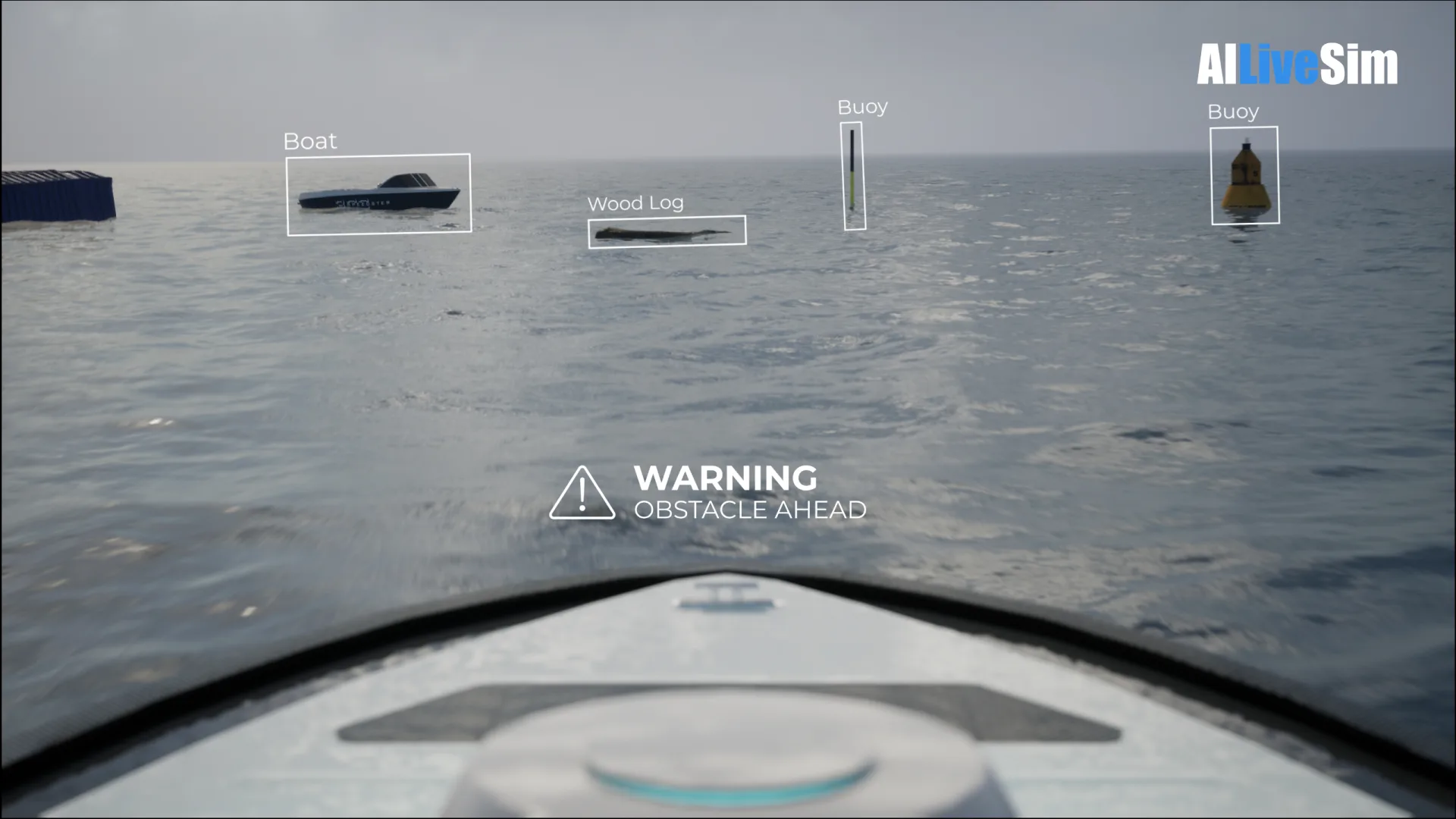
Article
Have You Tested Enough? Intelligent System Testing and the Coverage Problem
Test volume measures effort, not proof. How Intelligent System Testing samples scenarios adaptively to map where an autonomous system works, where it fails, and which combination of conditions moves it from one to the other.

AILiveSim
August 22, 2026 • 4 min read
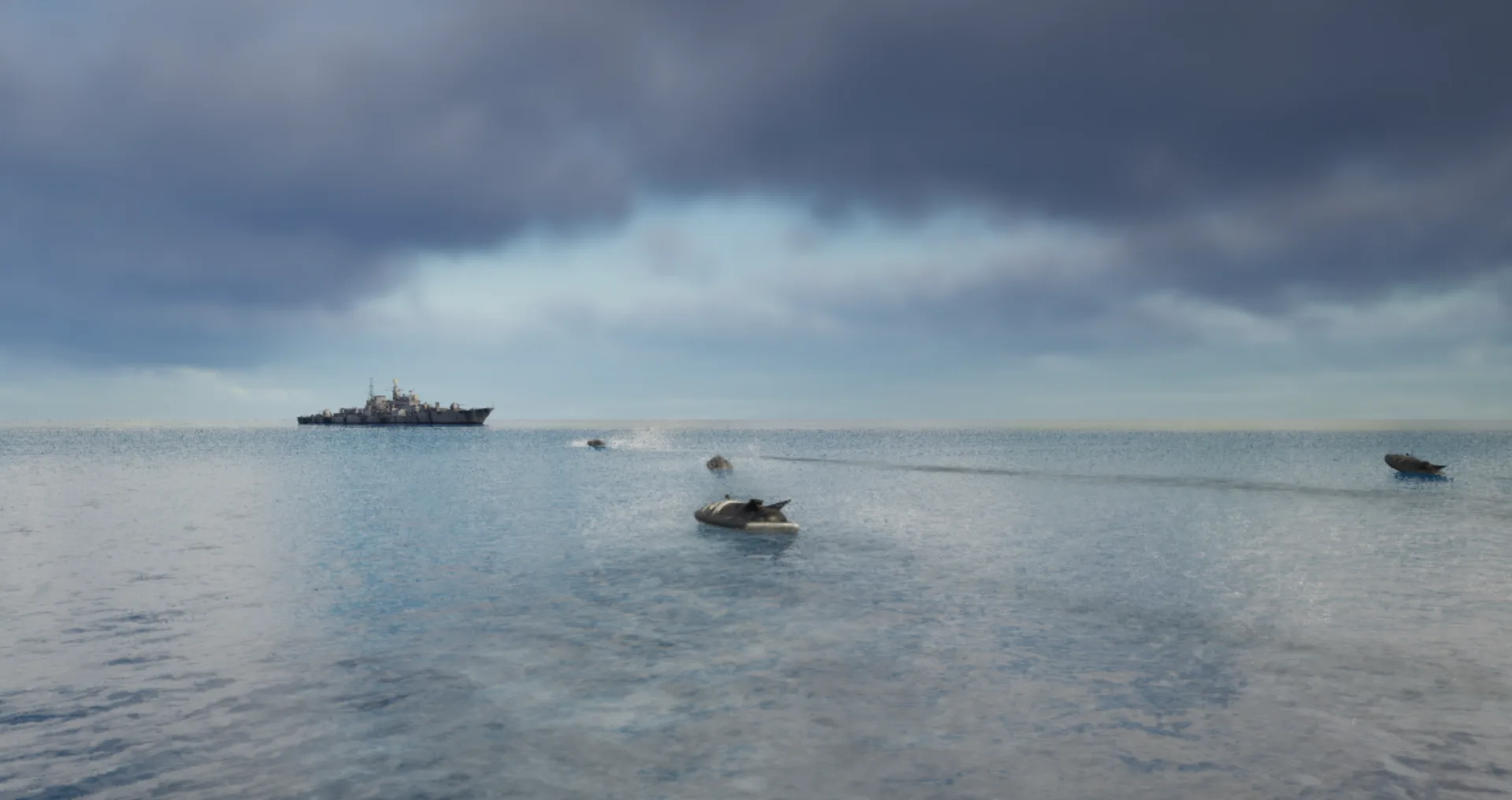
Article
Swarm Defense Testing: Measuring Intercepts, Not Detections
Why no volume of captured data validates swarm defense: adversarial scenarios generated live around the system under test, scored as intercepts achieved versus hits on the protected vessel across repeatable, parameterizable waves.
AILiveSim
August 17, 2026 • 4 min read
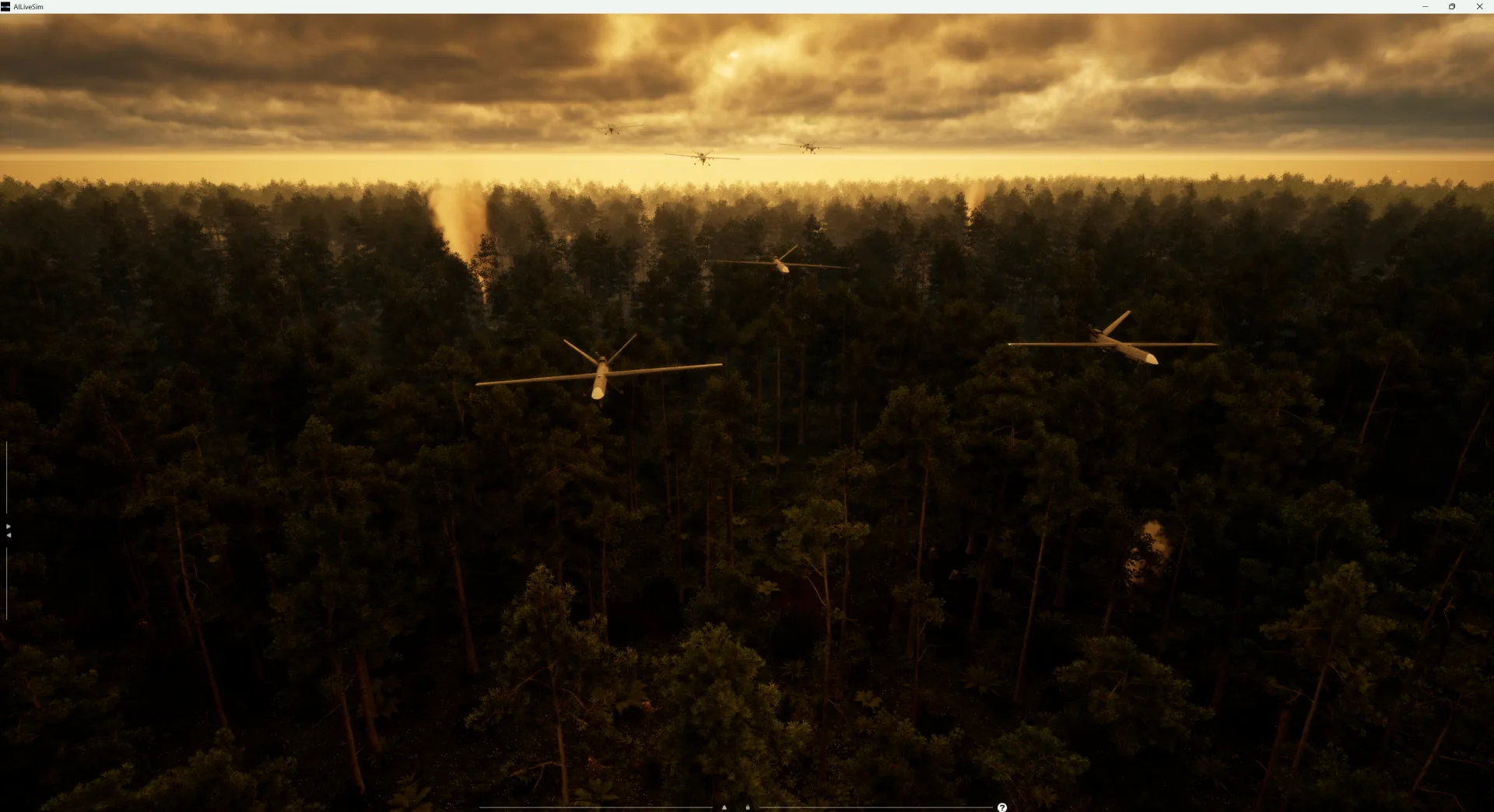
Article
Counter-Drone Detection: Why Precision Fails Before Recall Does
Why counter-drone detection fails on precision before recall: negative-class coverage by sensor channel, and scoring threats neutralized alongside friendlies preserved on repeatable, configurable drone waves.
AILiveSim
August 13, 2026 • 4 min read

Article
What Has to Be Inside an Airport Digital Twin Before It Is Worth Anything
What an airport digital twin must contain before it is worth anything: rare surface conditions, four time-aligned sensors, automatic labelling, and procedural generation that extends to your airport.
AILiveSim
August 10, 2026 • 4 min read

Discover the benefits of synthetic data and simulation
By navigating on this site you agree that we use only minimal cookies required for this site to function. We do not monetize your data.