AI Live Sim

By clicking Subscribe you're confirming that you agree with our Terms and Conditions.
Why Simulation Matters for Maritime Autonomy: Accelerating Auto-Docking AI with AILiveSim
What Auto-Docking AI Requires
How AILiveSim Enables Comprehensive Validation
Customer Proof Point: Maritime OEM Success
What This Means Financially
Start Your Transformation
Article
Why Simulation Matters for Maritime Autonomy: Accelerating Auto-Docking AI with AILiveSim

January 1, 2026 • 10 min read


Docking a vessel remains one of the most challenging maneuvers in boating. Insurance claims consistently show that a significant percentage of recreational boating incidents occur during berthing, where misjudged distances, unpredictable wind gusts, and crowded marinas create the perfect conditions for costly collisions.
For naval and commercial operators, the stakes rise even higher when autonomous systems must perform these maneuvers reliably under mission-critical conditions. AI-powered auto-docking technology promises to transform this reality, but only if the underlying algorithms can be trained and validated at scale.
That's where simulation becomes indispensable.
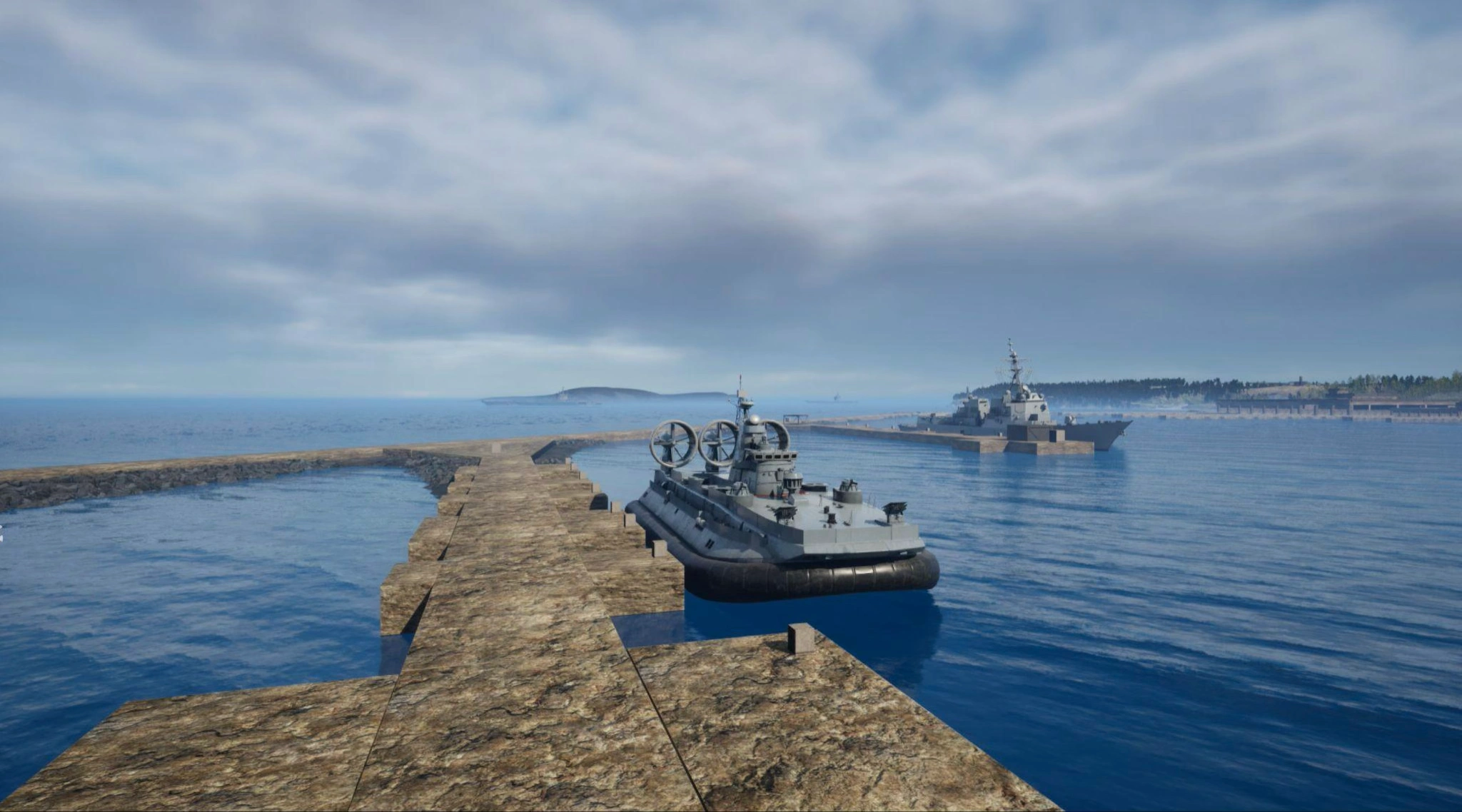
What Auto-Docking AI Requires
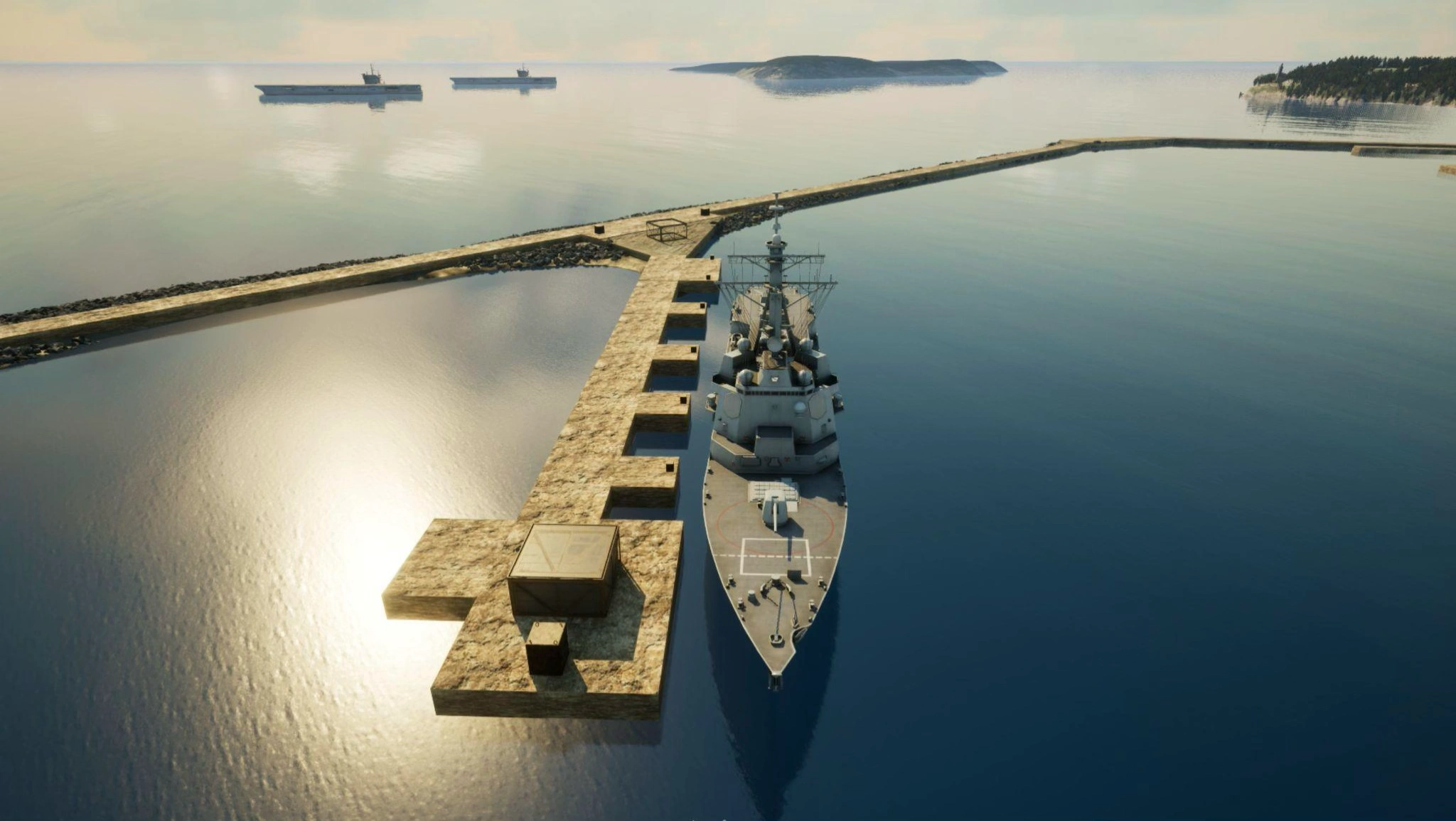
Auto-docking systems combine sensor fusion—cameras, radar, lidar, positioning—with control algorithms that translate environmental understanding into precise vessel maneuvering.
The AI interprets conditions continuously, adapting approach paths to wind, waves, and obstacles. Done right, these systems reduce the berthing incidents that frustrate boat owners and drive insurance claims.
The technology has matured fast. Consumer solutions that were demonstrated two years ago are now shipping products. Naval programs are advancing autonomous berthing for operational advantages.
But reliability depends on validation—testing across the full range of conditions systems will encounter. Physical testing, with its costs, weather dependencies, and safety constraints, can only cover a fraction of what's needed.
How AILiveSim Enables Comprehensive Validation
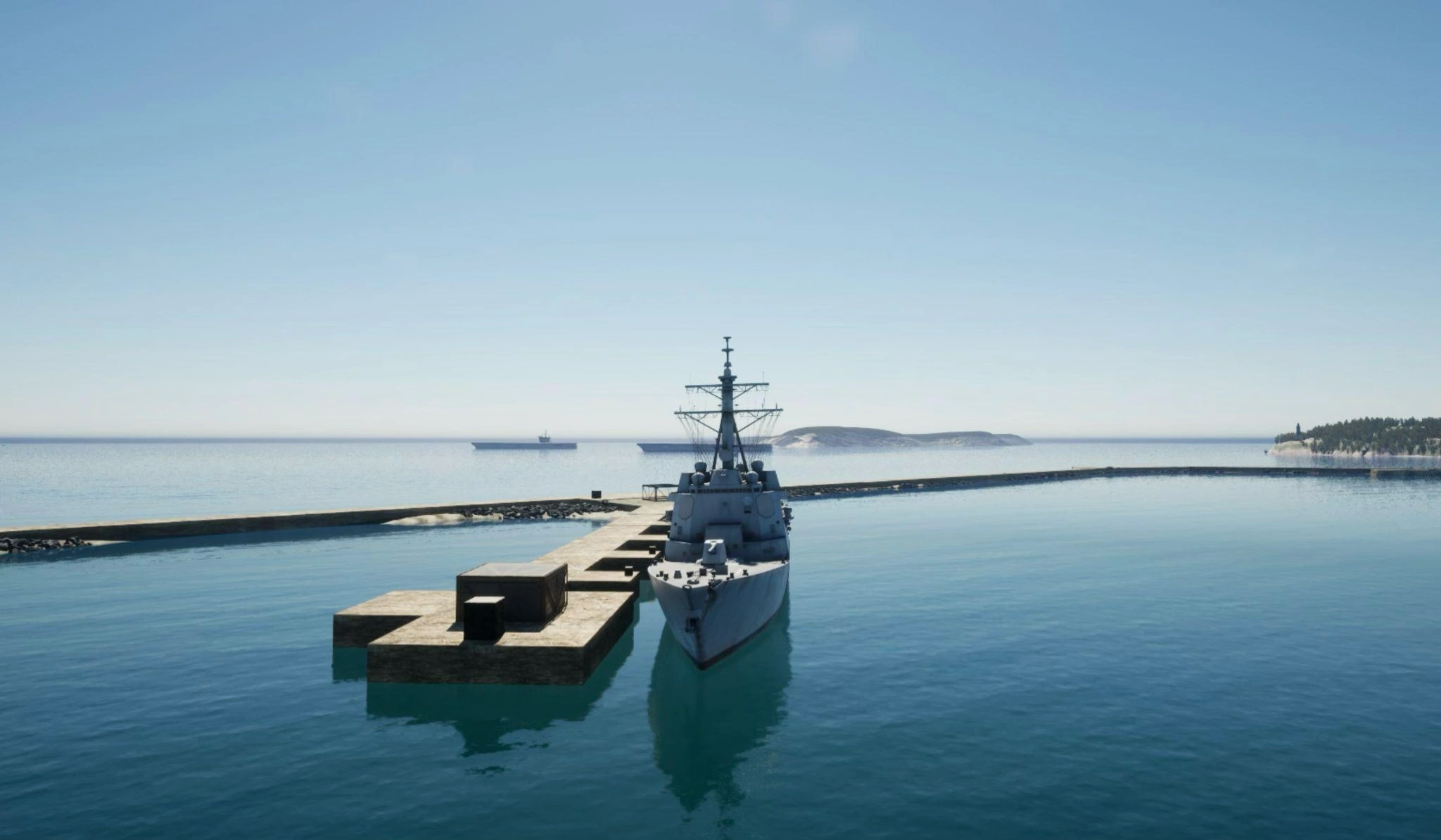
Our platform brings simulation directly into development workflows. Closed-loop testing across ten sensor types means algorithms run as they will in deployment—not watching recorded scenarios but actively operating in an environment that responds to their decisions. When your control algorithm commands a thruster, the simulated vessel moves, sensors update, and the next decision cycle begins.
Intelligent System Testing (IST), a technology AILiveSim enables for customers, automates the search for problems. IST explores parameter combinations systematically, finding the specific conditions where algorithms break.
Variations and unusual environmental combinations, such as wind and hard rain, IST can identify these edge cases before deployment does.
These validation capabilities depend on sensor fidelity, which is why our recent platform updates have focused on camera and radar simulation improvements.
Based directly on customer feedback, we've enhanced our physics-based IR camera modeling and expanded radar accuracy to deliver the synthetic training data quality that rigorous algorithm development demands.
As we continue advancing sensor technology across the platform, each improvement strengthens the realism of closed-loop testing and expands the edge cases IST can meaningfully explore.
Customer Proof Point: Maritime OEM Success
A leading maritime OEM developing AI-powered auto-berthing for leisure boats faced a common constraint: validation campaigns required deploying an eight-person team for week-long field operations, costing tens of thousands of euros per cycle.
Weather dependencies created unpredictable schedules, and safety limitations restricted early-stage testing scope.
After integrating AILiveSim, the OEM replaced field-dependent validation with lab-based simulation that covered more scenarios at lower cost and zero safety risk. High-fidelity marine physics enabled testing across multiple marina configurations, including complex double-twin berth layouts.
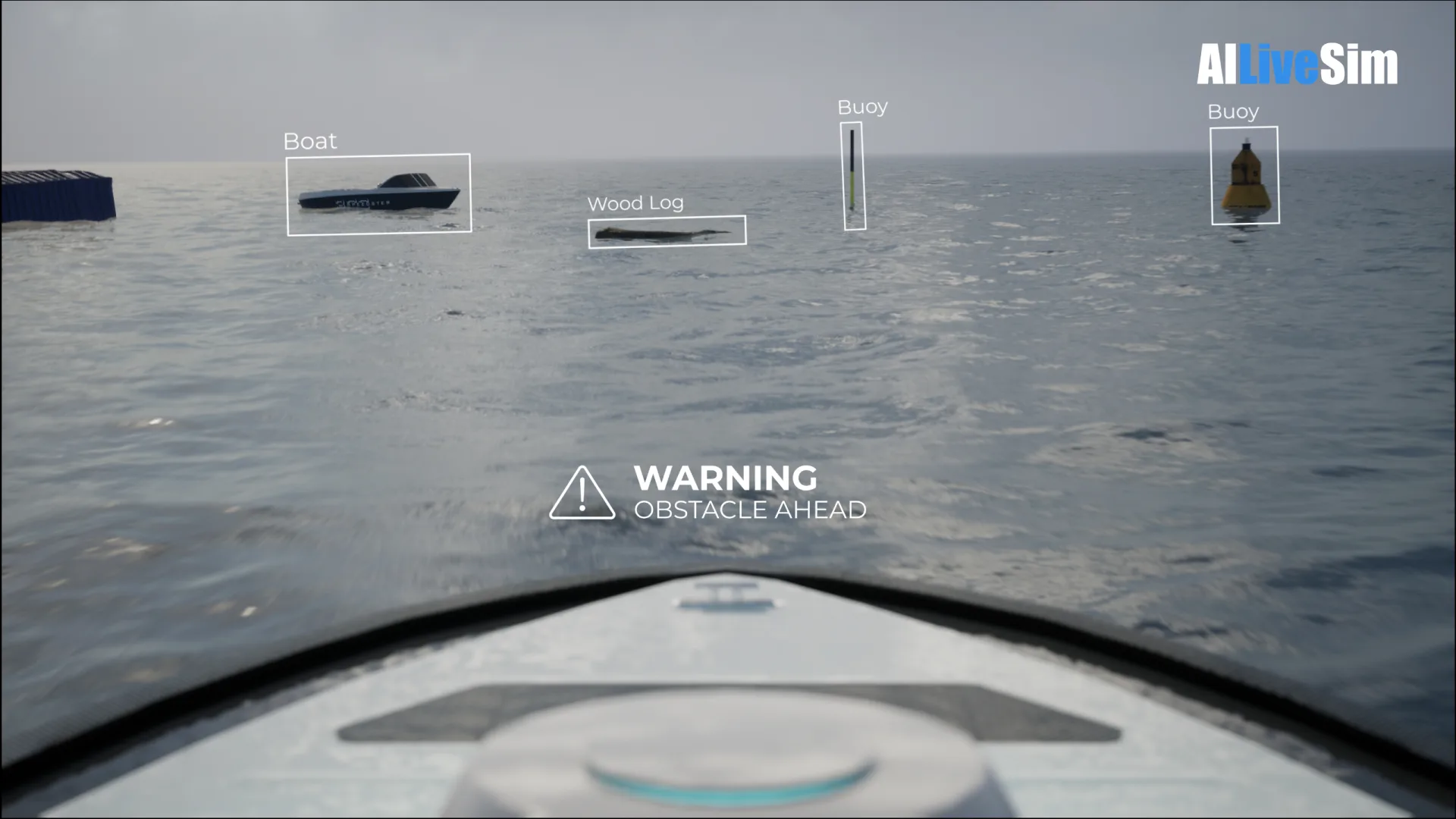
Edge cases, such as emergency vessels, floating debris, sensor degradation, became standard test coverage rather than untestable risks.
The outcome: an industry-first intelligent co-captain solution delivered faster and validated more thoroughly than traditional development approaches would permit.
"Simulation allowed us to iterate quickly, validate safely, and deliver an intelligent co-captain experience the market hadn't seen before," confirmed the OEM's Innovation Lead.
Resources:
- Read our White Paper about the sim to real gap: Using Synthetic Data from AILiveSim to Train Robust Maritime Detection Models
- Read our Autodocking Customer Case: AI Auto-Docking for Leisure Boats
What This Means Financially
The numbers tell the story. Tens of thousands saved per eliminated field campaign. Development cycles reduced up to 60%. Training time compressed from weeks to hours through cloud-based parallel simulation.
Engineering hours redirected from logistics to product development. Physical testing shifts from primary validation method to supplementary confirmation. The result: faster time-to-market with better-validated products.
Start Your Transformation
Whether you're building auto-docking or other autonomous functionalities for recreational, commercial, or defense applications, simulation provides the path to trustworthy autonomy.
Resources
Explore Our Latest Insights
Stay informed with our expert articles and updates.
Article
Have You Tested Enough? Intelligent System Testing and the Coverage Problem
Test volume measures effort, not proof. How Intelligent System Testing samples scenarios adaptively to map where an autonomous system works, where it fails, and which combination of conditions moves it from one to the other.
AILiveSim
August 22, 2026 • 4 min read
Article
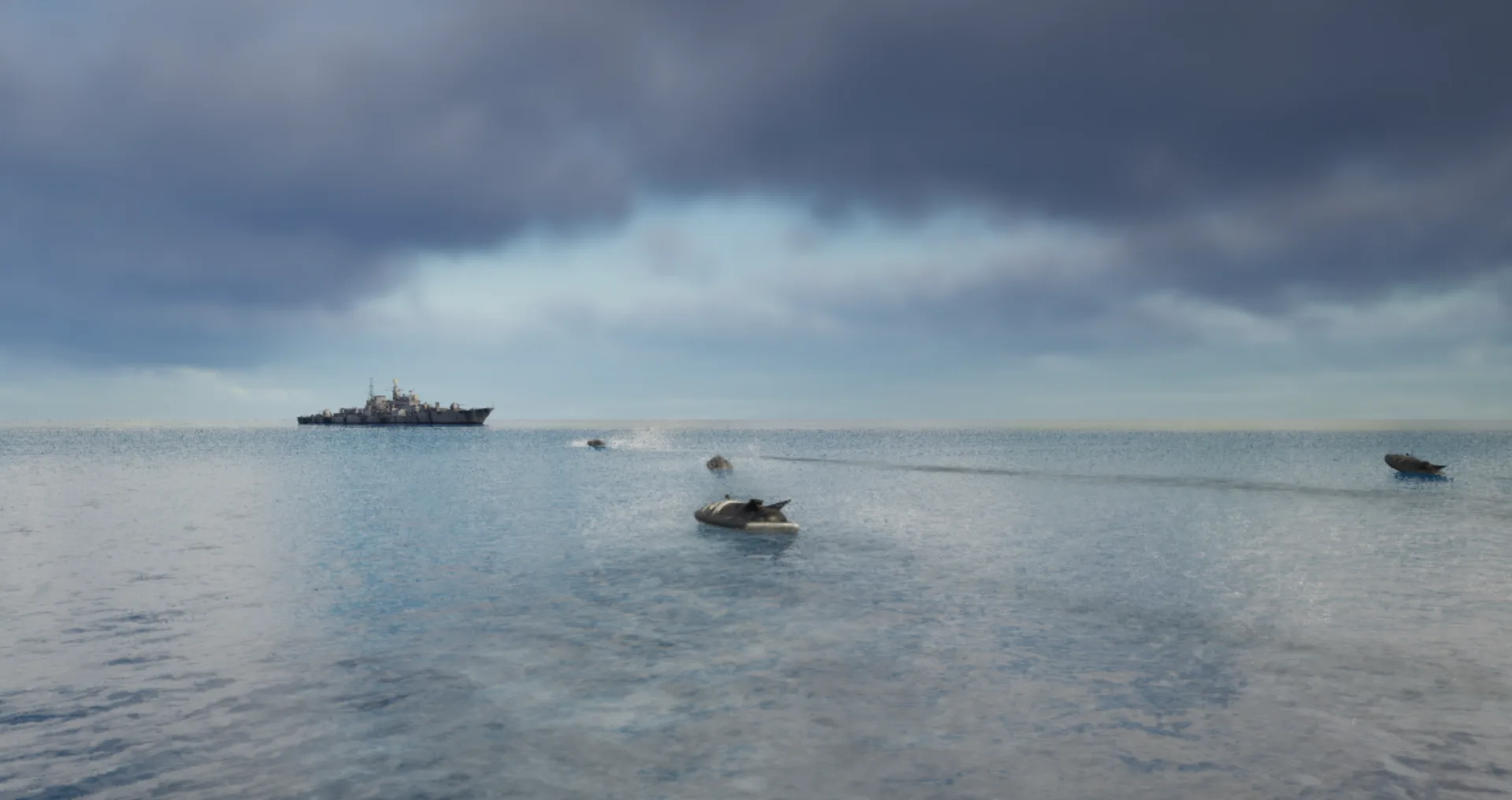
Swarm Defense Testing: Measuring Intercepts, Not Detections
Why no volume of captured data validates swarm defense: adversarial scenarios generated live around the system under test, scored as intercepts achieved versus hits on the protected vessel across repeatable, parameterizable waves.
AILiveSim
August 17, 2026 • 4 min read

Article
Counter-Drone Detection: Why Precision Fails Before Recall Does
Why counter-drone detection fails on precision before recall: negative-class coverage by sensor channel, and scoring threats neutralized alongside friendlies preserved on repeatable, configurable drone waves.
AILiveSim
August 13, 2026 • 4 min read
Article
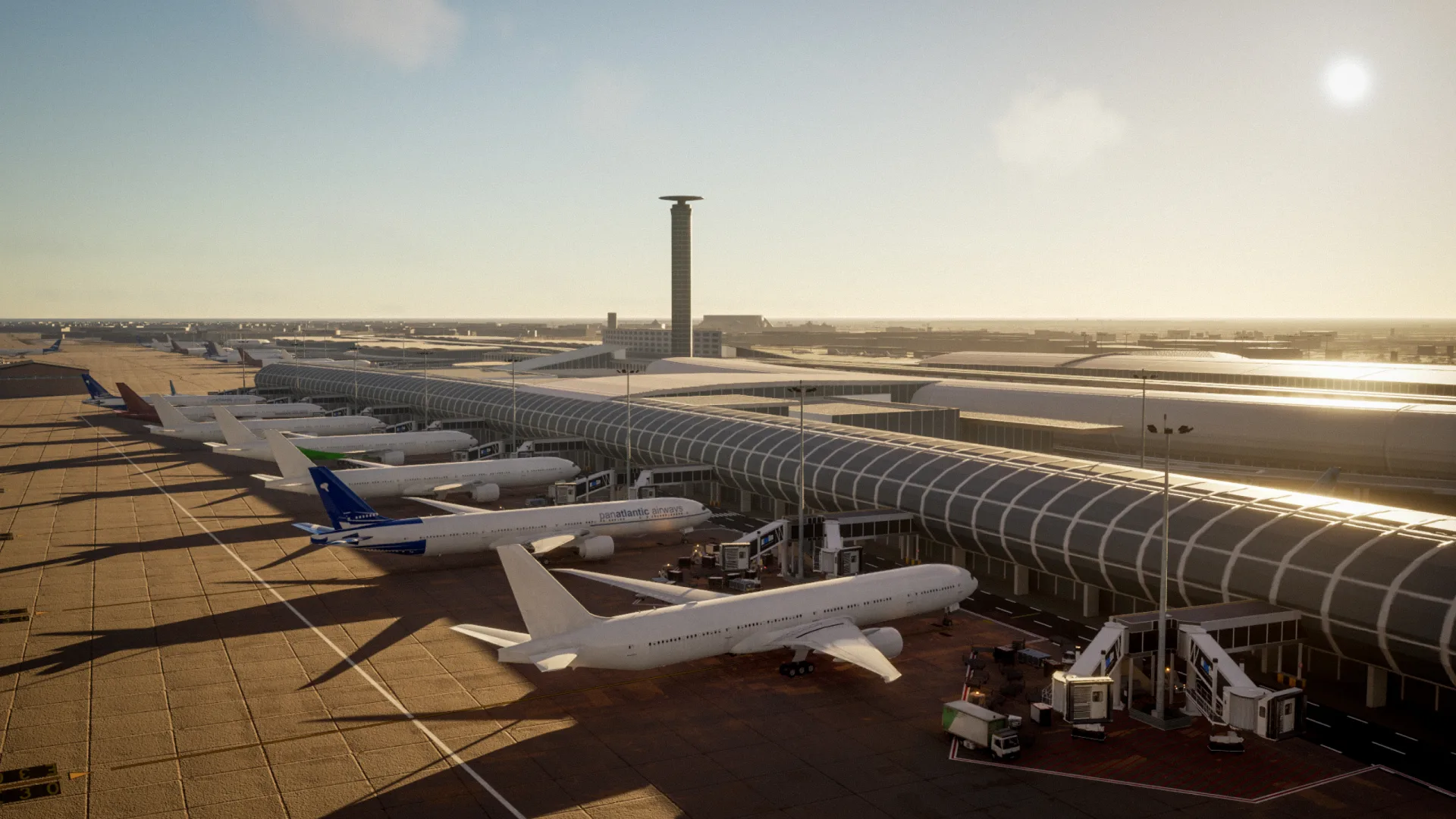
What Has to Be Inside an Airport Digital Twin Before It Is Worth Anything
What an airport digital twin must contain before it is worth anything: rare surface conditions, four time-aligned sensors, automatic labelling, and procedural generation that extends to your airport.
AILiveSim
August 10, 2026 • 4 min read

Discover the benefits of synthetic data and simulation
By navigating on this site you agree that we use only minimal cookies required for this site to function. We do not monetize your data.