AI Live Sim

By clicking Subscribe you're confirming that you agree with our Terms and Conditions.
How Unmanned Ground Vehicles in Forward Operating Bases Enhance Perimeter Security
Key Points
How UGV Patrols Transform FOB Perimeters into 24/7 Smart Security Zones
From Digital Airports to Digital FOBs: Lessons from AILiveSim’s Autonomous Taxiing Case for UGV Perimeter Security
How Simulation-Driven UGV Programs Keep FOB Perimeters Safer, Cheaper and More Predictable Over Time
Frequently Asked Questions
Parting Shot
Article
How Unmanned Ground Vehicles in Forward Operating Bases Enhance Perimeter Security

November 24, 2025 • 25 min read


Unmanned ground vehicles patrol FOB perimeters like tireless robot guards that never need coffee breaks. These machines use sensor fusion, LiDAR, and thermal imaging to spot threats humans miss while half-asleep at 3 AM. Real-time video feeds stream to command centers, creating seamless surveillance networks. UGVs train on thousands of simulated worst-case scenarios, achieving 95% threat detection accuracy even in chaos. When paired with tethered drones overhead, these mechanical sentries eliminate blind spots completely. The full picture gets even more impressive.
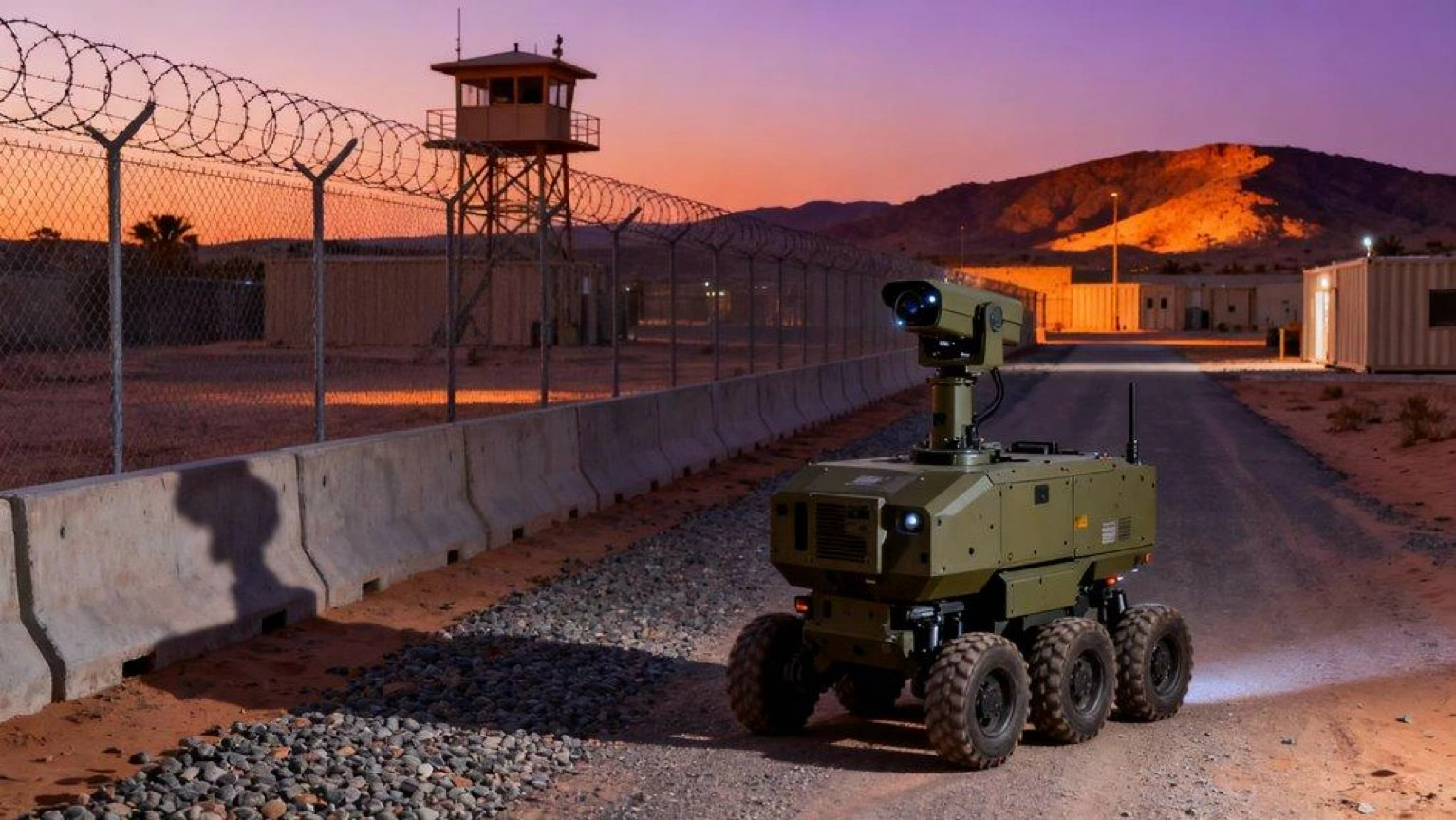
Key Points
- ● UGVs provide tireless 24/7 surveillance, eliminating human fatigue and ensuring constant perimeter coverage without gaps in security monitoring.
- ● Real-time video feeds and sensor fusion technology enable UGVs to differentiate true threats from environmental noise, enhancing threat detection accuracy.
- ● AILiveSim Customer Case demonstrates airport autonomous taxiing simulation directly transfers to military FOB security with identical benefits.
- ● Advanced deep learning achieves 95% obstacle recognition accuracy, allowing UGVs to identify diverse threats even in chaotic operational conditions.
AILiveSim's expertise areas are in simulation-based synthetic data generation and intelligent system testing for autonomous defense applications, specializing in multi-sensor environments that train systems on the critical edge cases and rare threat scenarios discussed in this article. AILiveSim aims to build trust in AI-powered autonomy by enabling comprehensive validation before deployment, helping defense organizations achieve robust, battle-tested systems through simulation-in-the-loop methodologies. Visit our website: AILiveSim
How UGV Patrols Transform FOB Perimeters into 24/7 Smart Security Zones
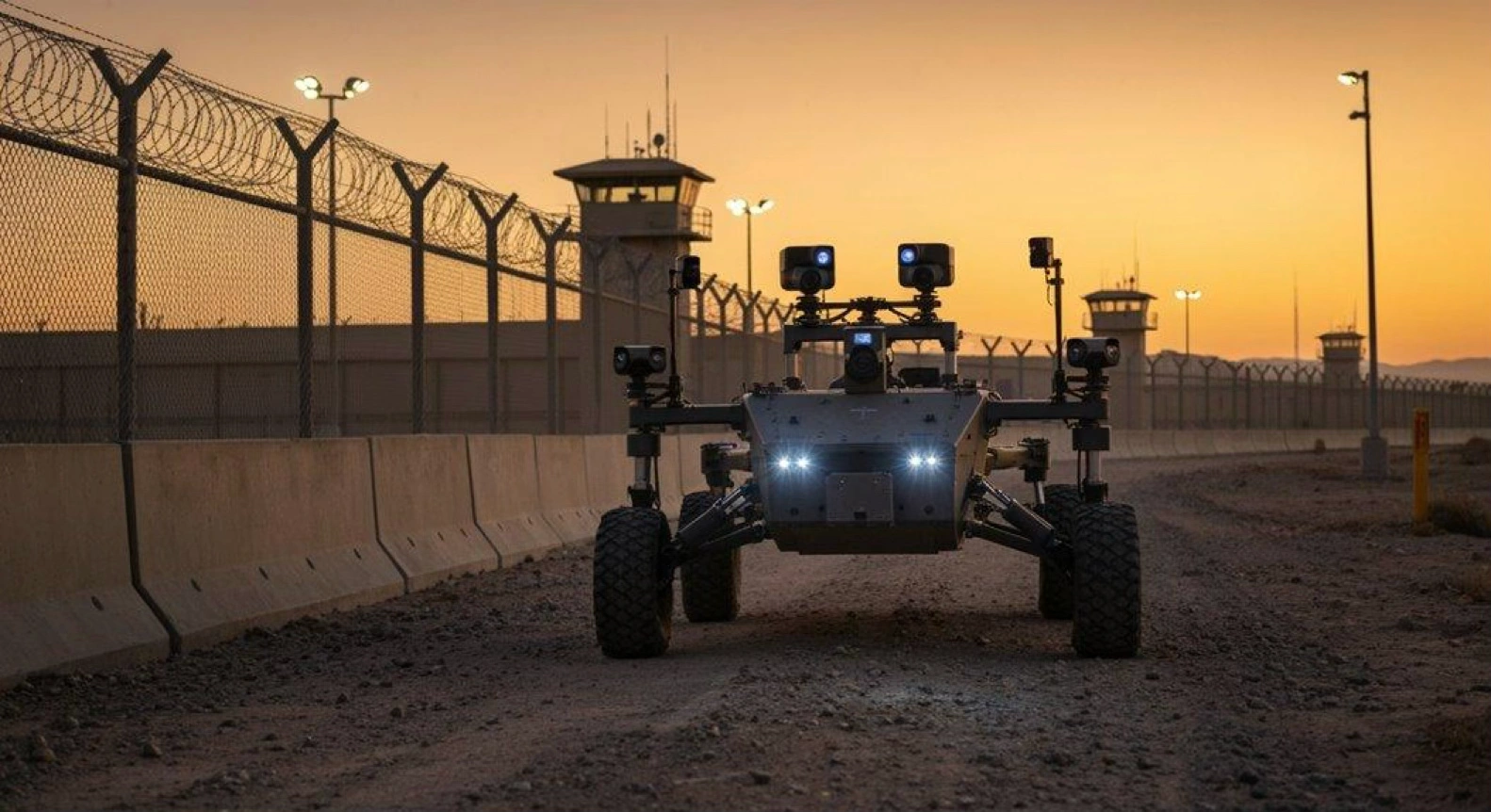
Three AM. A guard walks the dusty perimeter path, fighting exhaustion’s pull. Through the darkness, shadows dance near the fence—real threats or merely tricks of tired eyes that have been scanning the same monotonous landscape for hours? You know this scene. You’ve lived it.
Consider how different tonight could be.
Rolling through that same perimeter, UGV patrols never falter; these tireless machines equipped with autonomous movement capabilities transform traditional security into something extraordinary. They don’t blink. They don’t yawn. They don’t wonder—they know.
Real-time video feeds stream constantly to command centers, sensor fusion technology distinguishes between windblown debris and actual intrusions, and modular payloads adapt to whatever the mission demands: thermal imaging tonight, chemical detection tomorrow, acoustic sensors for the weekend shift. Meanwhile, tethered UAVs overhead provide continuous aerial surveillance without battery limitations, extending the security bubble vertically to eliminate blind spots that ground vehicles alone cannot cover.
Where human guards battle fatigue in dynamic environments filled with unpredictable weather conditions and shifting threat profiles, these mechanical sentinels maintain unwavering vigilance through dust storms, downpours, and the deadest hours before dawn. Their open architecture enables seamless integration with existing base security infrastructure, allowing commanders to expand capabilities as new sensor technologies emerge.
Machines handle monotony while human operators focus on what matters most—strategic decisions that save lives.
No more gaps. No more guesswork. Just coverage.
The transformation isn’t coming; it’s here, reshaping how forward operating bases protect their perimeters twenty-four hours a day, seven days a week, through automated patrols that turn vulnerable boundaries into intelligent defensive networks.
From Digital Airports to Digital FOBs: Lessons from AILiveSim’s Autonomous Taxiing Case for UGV Perimeter Security
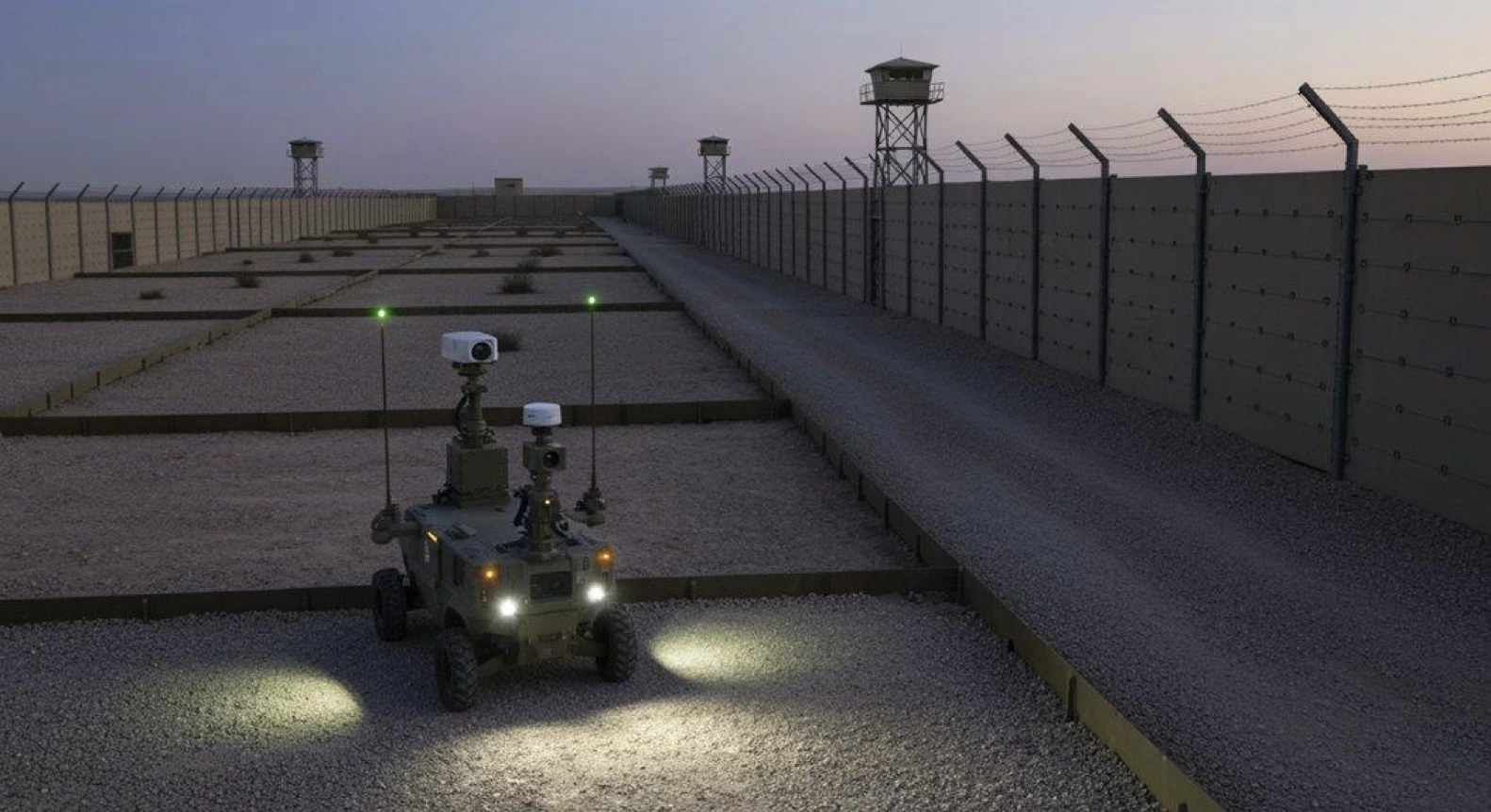
Watch the machines learn. The same simulation technology that trains autonomous aircraft at crowded airports now powers military base security systems—with identical principles delivering identical benefits.
The Airport Case Study:
A leading aircraft manufacturer partnered with AILiveSim to validate autonomous taxiing through intelligent simulation. The challenge? Train systems to handle complex, unpredictable real-world environments safely.
AILiveSim's Solution:
- Multi-sensor simulation—camera, radar, LiDAR with 10+ synchronized feeds
- Digital Airport Twins replicating weather variations, lighting changes, surface degradation
- Thousands of edge cases: fog navigation, congested gate areas, equipment failures
The Results:
- Development cycles shortened from months to weeks
- Enhanced safety through risk-free virtual testing
- Systems battle-tested across diverse conditions before deployment
Do you want to know more about this Customer Case? Find it on our website here. Autonomous aircraft taxiing.
Direct Translation to FOB Security:
Every principle applies. Digital Airport Twins become Digital FOB environments. Autonomous taxiing algorithms become autonomous patrol routes. The same sensor fusion technology navigating aircraft through rain and fog now guides UGVs through sandstorms and darkness.
The benefits transfer completely: UGV programs achieve drastically shortened development cycles, enhanced safety validation, and comprehensive edge case training—coordinated attacks, sensor jamming, environmental extremes—all tested virtually before real deployment.
Consider the parallel: Where airport systems trained on gate congestion and equipment malfunctions, FOB systems train on perimeter breaches and coordinated threats. Different scenarios, identical methodology.
Automated runway navigation systems become perimeter patrol coordination. Aircraft ground traffic management becomes base security orchestration. Multi-domain adaptability proves innovation flows seamlessly between sectors.
Self-driving ground movement beats tired sentries—operational reality proven through thousands of autonomous hours at the world's busiest airports, now ready for military application.
The technology exists. Airport-proven. Defense-ready.
How Simulation-Driven UGV Programs Keep FOB Perimeters Safer, Cheaper and More Predictable Over Time
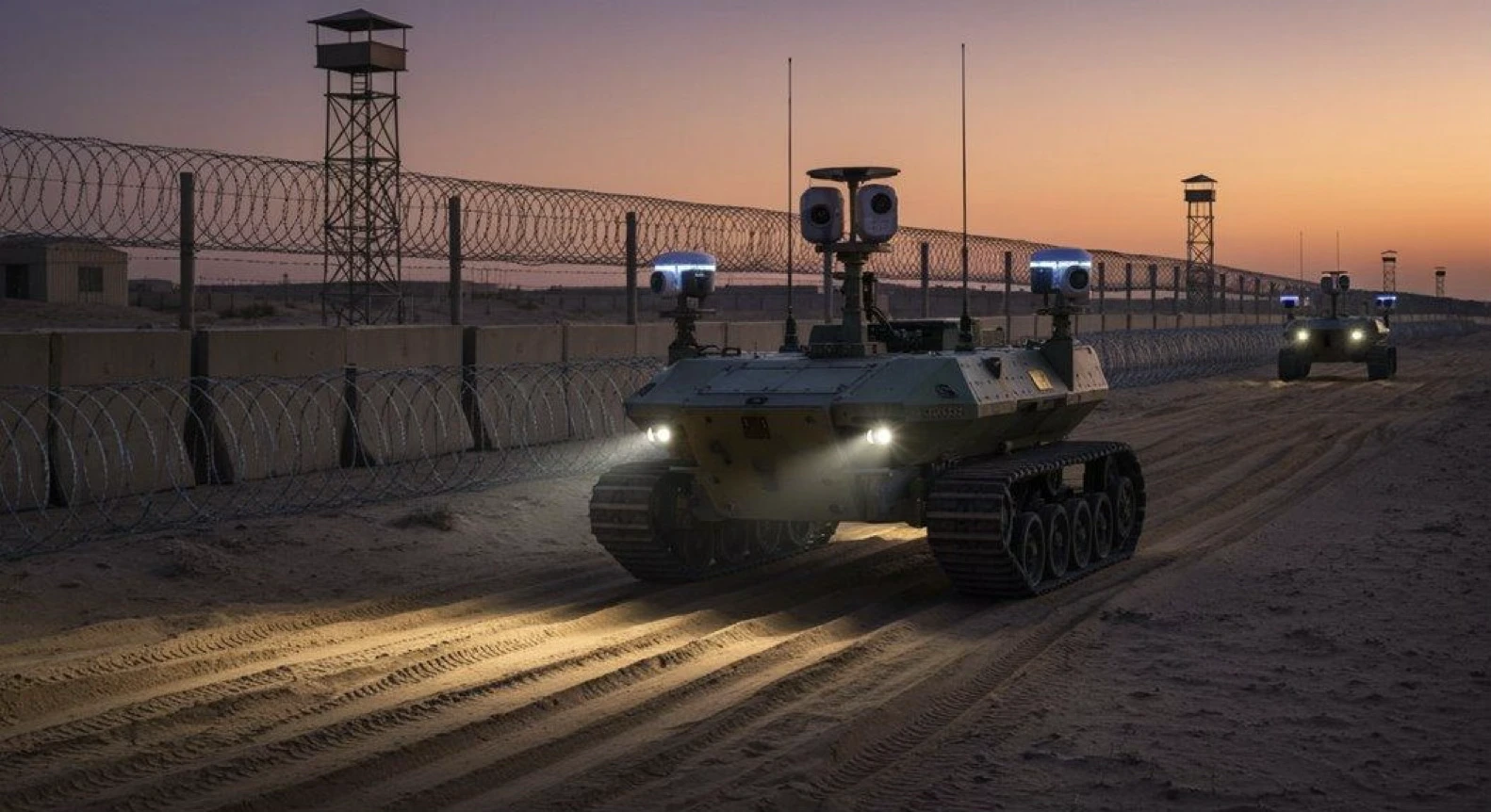
Security breaches? They don’t come from routine patrols. From those weird, one-off situations nobody saw coming—that’s where the real danger lurks, and that’s precisely where synthetic data transforms everything.
Consider this: simulation platforms generate thousands of rare scenarios; they create coordinated multi-vehicle rushes, sensor-jamming attempts, electromagnetic interference patterns that would take decades to encounter naturally in the field. Without waiting years for maybes.
But simulation-driven programs? Different game entirely. Every virtual training session introduces chaos: dust storms reducing visibility to zero, multiple decoy vehicles approaching simultaneously, radio frequencies jammed while thermal signatures multiply across the perimeter. Your robots learn.
They adapt.
Why wait for disaster to teach expensive lessons? Through simulation, UGVs experience ten thousand failures safely—no damaged equipment, no compromised perimeters, no casualties. Just data. Pure learning.
When that coordinated rush finally happens at 0300 hours on some Tuesday morning, your robots won’t hesitate; they’ve already defeated this threat a hundred times in virtual space.
The secret weapon isn’t the hardware rolling along your fence line. It’s the invisible library of impossible scenarios, downloaded directly into silicon minds that never forget, never panic, never blink when the unthinkable becomes real.
Using Synthetic Data to Train UGVs for the 1% of Scenarios that Cause 99% of Incidents
FOBs face a paradox. Military planners know this: ninety-nine percent of their security nightmares emerge from one percent of scenarios—the ones that never surface during routine drills.
Consider the threats that keep commanders awake at night: coordinated drone swarms descending through blinding sandstorms; sensor networks compromised while infiltrators slip past deceived systems; vehicle-borne explosives timed precisely to those vulnerable seconds when guards change posts.
Never seen in training. Never practiced in the field. Never tested until disaster strikes.
Chaos.
Where traditional preparation fails, synthetic data generation thrives. Picture this—algorithms spinning thousands of worst-case scenarios into existence, each more challenging than the last.
These digital crucibles forge resilience ; they breed adaptability; they cultivate readiness for the unthinkable. Can you imagine training for every conceivable breach without risking a single soldier? The development of modular payload capabilities allows these systems to rapidly adapt their sensor configurations and defensive countermeasures based on the specific threats identified through synthetic training scenarios.
Through synthetic environments, deep learning models gorge themselves on manufactured mayhem: drone swarms multiplying mid-attack, spoofing signals cascading through compromised sensors, infiltrators exploiting microsecond gaps in coverage. European military programs have already demonstrated autonomous convoy runs spanning 100 kilometers without human intervention—proof that synthetic training translates to real-world capability.
The results speak volumes. Models achieve 95% obstacle recognition accuracy—not despite the chaos, but because of it. When you feed artificial intelligence a diet of edge cases, it learns to recognize danger in all its forms. Real threats. Simulated preparation.
Interested in synthetic data for your project? AILiveSim 2.0 (our new version!) enhances AI-based simulation for multi-sensor autonomous systems - automating data generation, analysis, and augmentation to streamline model training and testing. Find out more: AILiveSim
Frequently Asked Questions
What Happens When UGVS Encounter Wildlife or Civilians Near FOB Perimeters?
UGVs typically activate non-lethal deterrents like lights and sounds for wildlife, while civilian encounters trigger alerts to human operators. Advanced sensors distinguish between threats and non-threats, with protocols prioritizing warnings and human-in-the-loop authorization before escalation.
Can Enemy Forces Hack or Jam UGV Perimeter Security Systems?
Enemy forces gleefully attempt hacking and jamming UGV systems through cyberattacks, RF interference, GPS spoofing, and malware injection. However, modern defensive measures include encrypted communications, anti-jamming protocols, redundant sensors, and AI-driven anomaly detection countermeasures.
How Many UGVS Are Needed per Kilometer of FOB Perimeter?
Standard deployments require 1-2 UGVs per kilometer for continuous perimeter coverage under normal conditions. High-threat zones or complex terrain may necessitate 3-4 units per kilometer, while integration with static sensors and autonomous routing can reduce requirements.
Parting Shot
Just as the sun sets over another FOB perimeter, UGVs roll out for their shifts. No coffee breaks needed. No families waiting back home.
The math? Brutal but simple. These machines handle the dull, dangerous stuff—the endless hours of watching empty desert, the nerve-wracking approach to suspicious packages—while humans focus on what actually requires judgment and intuition. And look, it’s not about replacing soldiers. Never was, really. The point seems to be keeping them alive, keeping them sharp for decisions that matter.
That said, if some robot catches shrapnel that might’ve been meant for a nineteen-year-old from Ohio? Well, that’s an outcome everyone can probably live with.
Resources
Explore Our Latest Insights
Stay informed with our expert articles and updates.
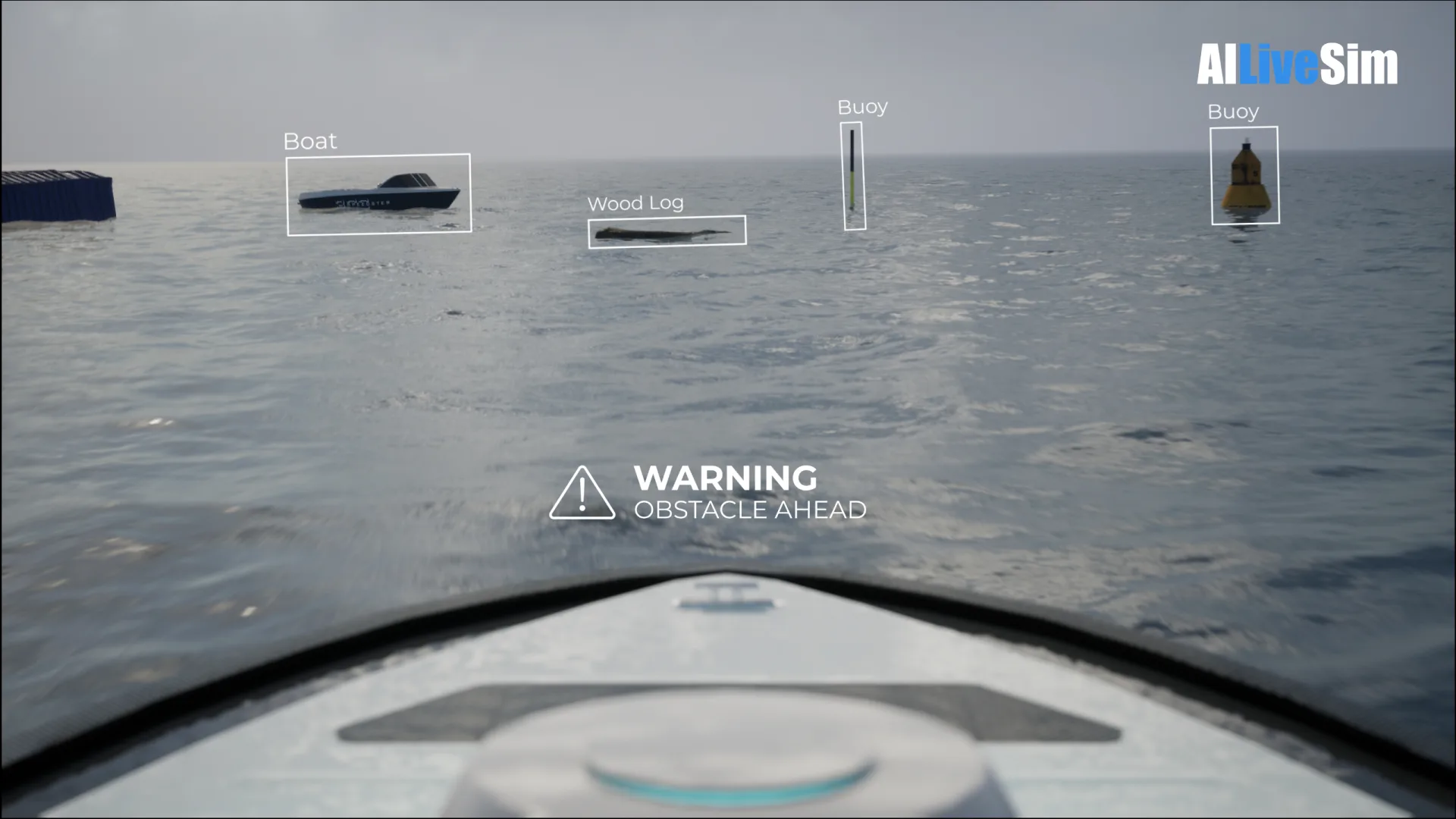
Article
Have You Tested Enough? Intelligent System Testing and the Coverage Problem
Test volume measures effort, not proof. How Intelligent System Testing samples scenarios adaptively to map where an autonomous system works, where it fails, and which combination of conditions moves it from one to the other.

AILiveSim
August 22, 2026 • 4 min read
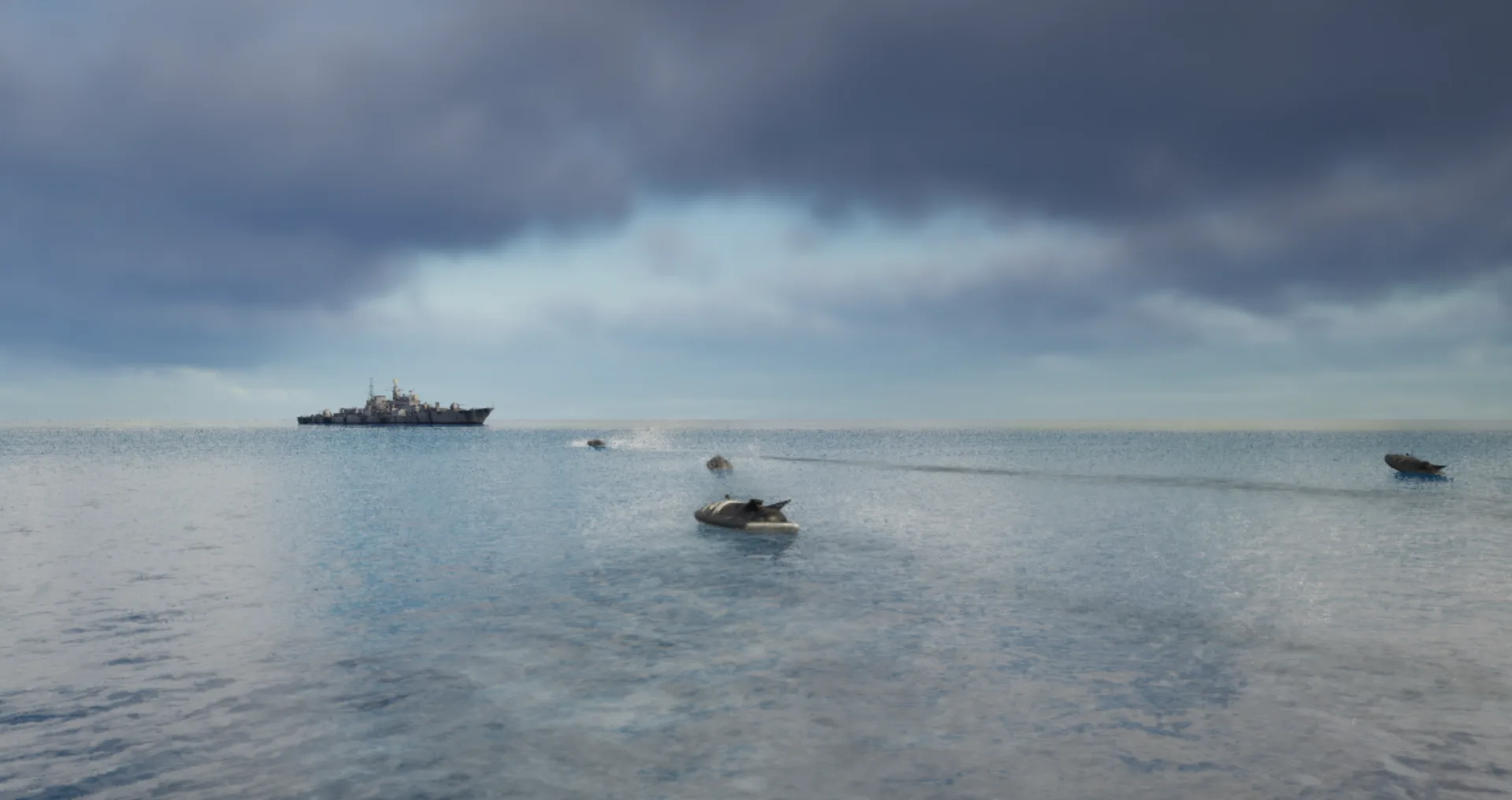
Article
Swarm Defense Testing: Measuring Intercepts, Not Detections
Why no volume of captured data validates swarm defense: adversarial scenarios generated live around the system under test, scored as intercepts achieved versus hits on the protected vessel across repeatable, parameterizable waves.
AILiveSim
August 17, 2026 • 4 min read
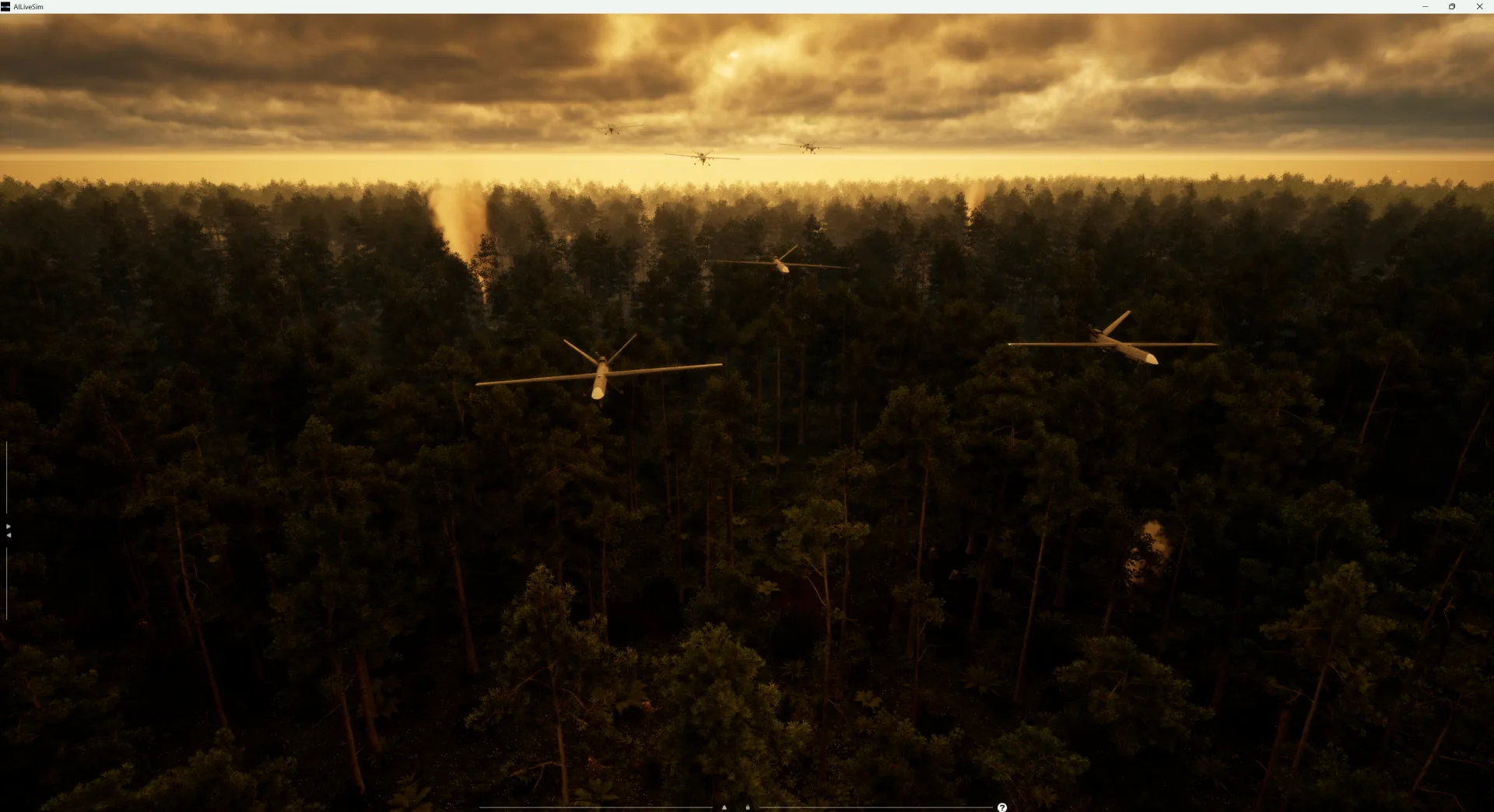
Article
Counter-Drone Detection: Why Precision Fails Before Recall Does
Why counter-drone detection fails on precision before recall: negative-class coverage by sensor channel, and scoring threats neutralized alongside friendlies preserved on repeatable, configurable drone waves.
AILiveSim
August 13, 2026 • 4 min read

Article
What Has to Be Inside an Airport Digital Twin Before It Is Worth Anything
What an airport digital twin must contain before it is worth anything: rare surface conditions, four time-aligned sensors, automatic labelling, and procedural generation that extends to your airport.
AILiveSim
August 10, 2026 • 4 min read


Discover the benefits of synthetic data and simulation
By navigating on this site you agree that we use only minimal cookies required for this site to function. We do not monetize your data.