AI Live Sim

By clicking Subscribe you're confirming that you agree with our Terms and Conditions.
How Does Autonomous Border Security Use Situational Awareness to Detect Intrusions?
Key Points
Surveillance Sensor Networks Enable 24/7 Real-Time Monitoring of Perimeter Threats
How Biometric Authentication Prevents Unauthorized Border Entry Using Intelligent Detection
RADAR Systems: All-Weather Long-Range Detection for Automated Perimeter Security
Thermal Imaging vs Visual Systems: Identifying Concealed Weapons at Checkpoints
Risk Analysis Frameworks Transform Situational Data into Predictive Threat Prevention
Why Intrusion Detection Systems Need Biometric Verification to Reduce False Positives
Satellite and Drone Systems Coordinate for Wide-Area Aerial Border Surveillance
Frequently Asked Questions
Parting Shot
Article
How Does Autonomous Border Security Use Situational Awareness to Detect Intrusions?

November 10, 2025 • 25 min read


Autonomous border security fuses thermal cameras, ground radar, satellite feeds, and biometric scanners into one unified threat picture that flags intrusions in real-time. Machine learning algorithms process this data stream with sub-second latency, turning scattered sensor inputs into actionable intelligence before threats breach perimeters. The systems operate 24/7 in all weather conditions, detecting heat signatures, identifying concealed weapons, and cross-referencing criminal databases automatically. It’s constant vigilance without coffee breaks. The integration of these technologies creates layered detection that confirms threats through multiple modalities before triggering drone deployment.
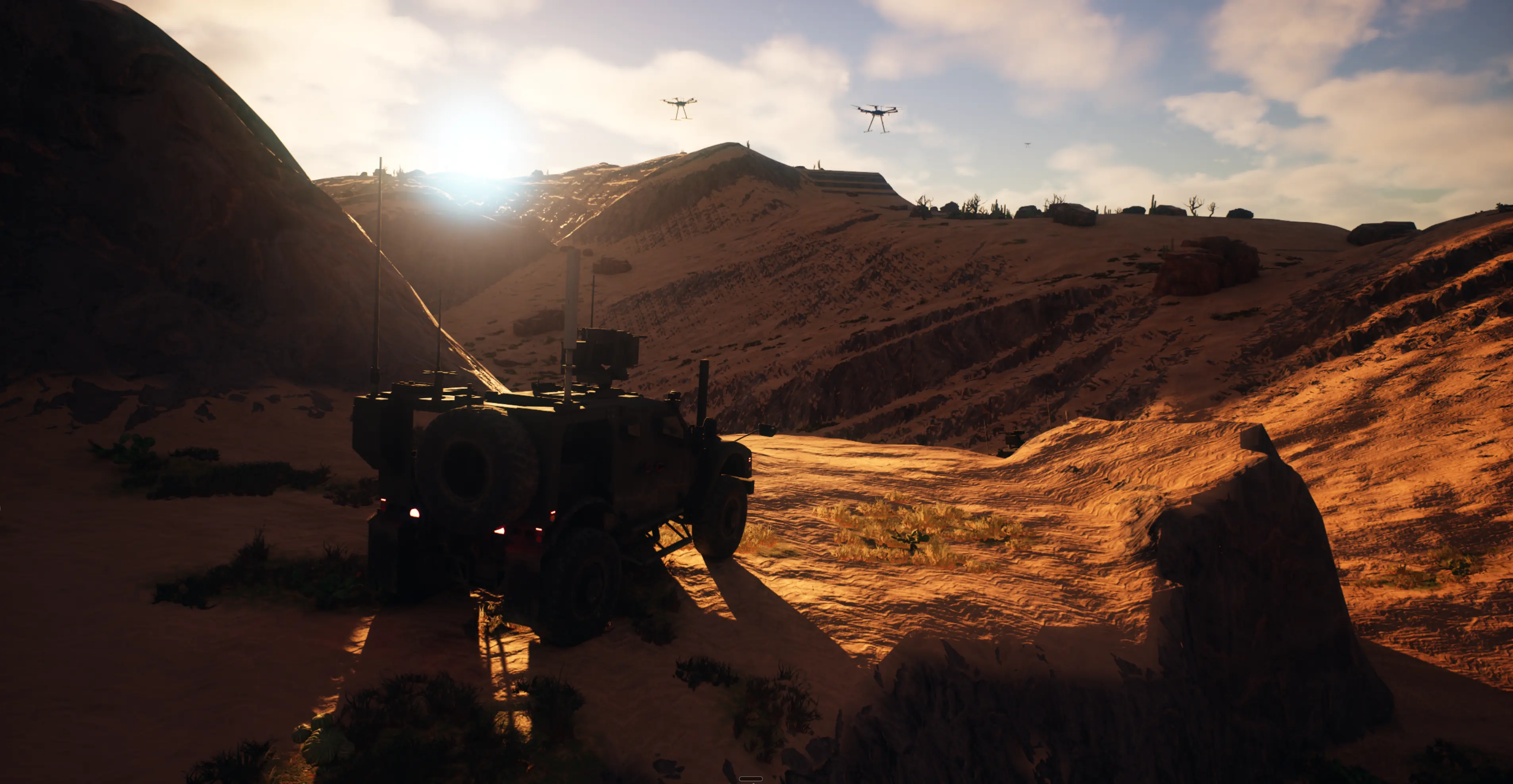
Key Points
- ● Multi-sensor networks integrate radar, thermal imaging, and drones to create comprehensive real-time threat maps across remote border areas.
- ● Machine learning algorithms analyze combined surveillance feeds to identify anomalies and predict intrusion likelihood before events occur.
- ● Biometric systems verify identities at checkpoints while reducing false alarms by cross-referencing criminal databases for genuine threats.
- ● Satellite and drone coordination eliminates blind spots by monitoring vast terrains and automatically deploying resources to flagged hotspots.
- ● Sub-second data processing delivers live threat assessments to command centers, enabling immediate automated responses to detected intrusions.
AILiveSim's expertise areas are in AI simulation and synthetic data generation for multi-sensor autonomous systems, specializing in maritime and defense applications where sensor fusion, edge-case validation, and simulation-in-the-loop testing accelerate the development of trustworthy autonomy. AILiveSim aims to build trust in AI synthetic data through defensible test coverage and high-fidelity simulation environments, enabling defense customers to validate autonomous detection systems against millions of complex scenarios before deployment. Visit our website: AILiveSim.
Surveillance Sensor Networks Enable 24/7 Real-Time Monitoring of Perimeter Threats
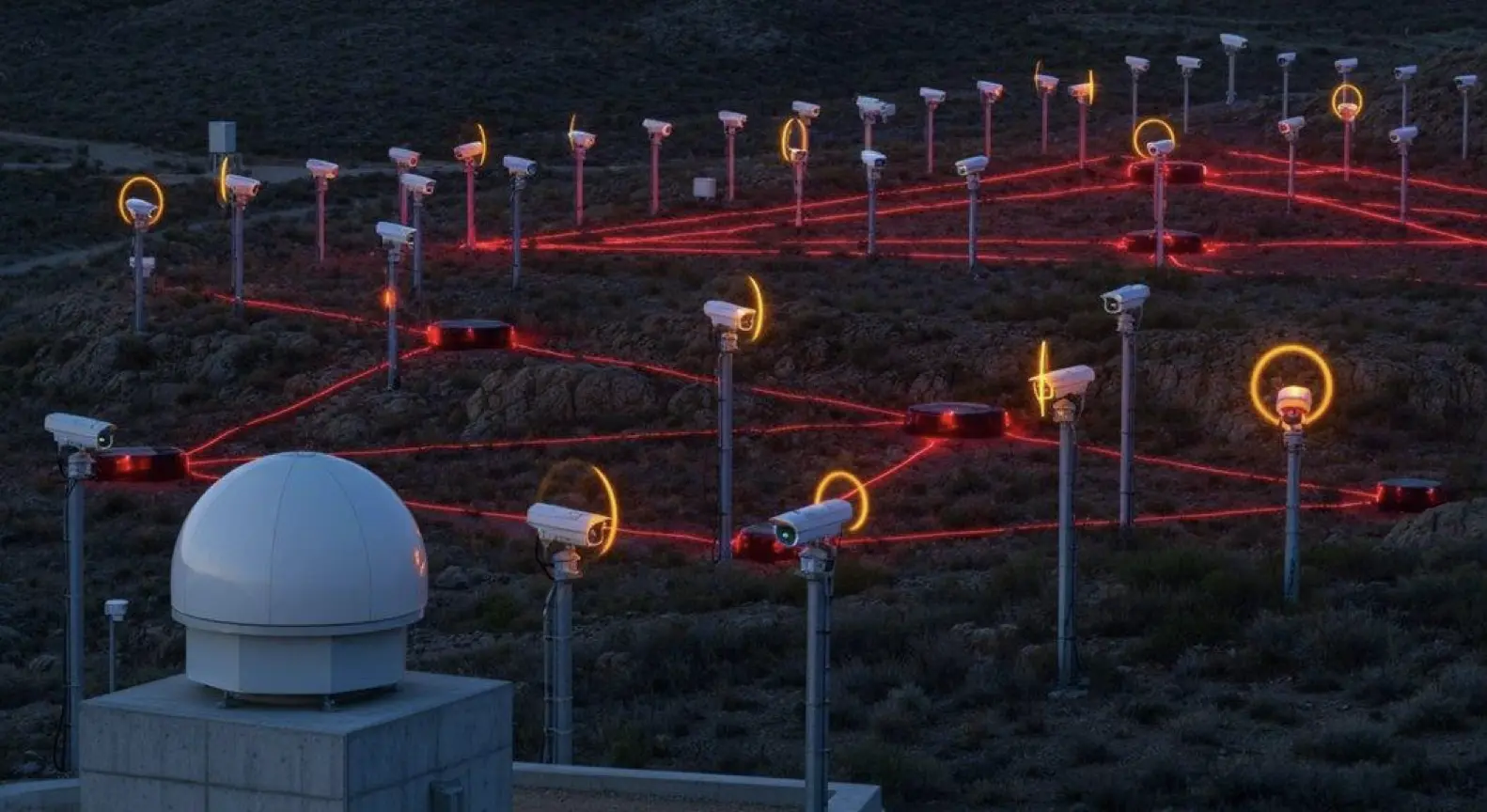
Border security doesn’t sleep. The machines watching it don’t either. Real-time intrusion monitoring platforms stretch across remote deserts, silent sentinels in mountain passes, eyes that never close. You’re looking at surveillance sensor networks that actually deliver—not next week, not after the shift change, but now.
Thermal imaging patrol technology scans the darkness. It scans when fog rolls in. It scans when your own eyes see nothing at all. Machine learning patrol automation flags anomalies the instant they appear, fusing radar and infrared data into something smarter than the sum of its parts: sensor-driven security checkpoint systems built on autonomous detection.
Can human patrols match this? Consider the capabilities—radar tracking movement at long range through any weather, day or night; thermal imaging reading heat signatures in total darkness; electro-optical sensors delivering high-resolution visual identification when the sun cooperates; SWIR infrared cutting through camouflage in low-light environments where intruders think they’re invisible.
This is perimeter surveillance that works. That works around the clock. That works without coffee breaks, without shift rotations, without the limitations flesh imposes on vigilance. Vehicle-mounted systems extend this coverage even further, enabling rapid deployment across vast territories where fixed installations can’t reach. Advanced drone systems can respond to alerts and launch within twenty seconds, transforming detection into immediate action.
Long sentences describe the technology’s sweep across hostile terrain, painting a picture of integrated systems communicating in milliseconds, sharing data across networks that turn scattered sensor inputs into unified threat assessments you can trust. Advanced platforms provide bird’s-eye view coverage that traditional ground-based sensors simply cannot achieve, eliminating blind spots across strategic crossing points. Then the rhythm shifts.
No downtime.
The 24/7 threat detection promise isn’t marketing—it’s engineering: autonomous systems designed for the brutal truth that threats don’t pause for human convenience, that borders demand watchfulness beyond what any guard force can sustain alone, that modern security requires the marriage of human judgment and tireless machine perception.
This is how borders stay secure.
How Biometric Authentication Prevents Unauthorized Border Entry Using Intelligent Detection
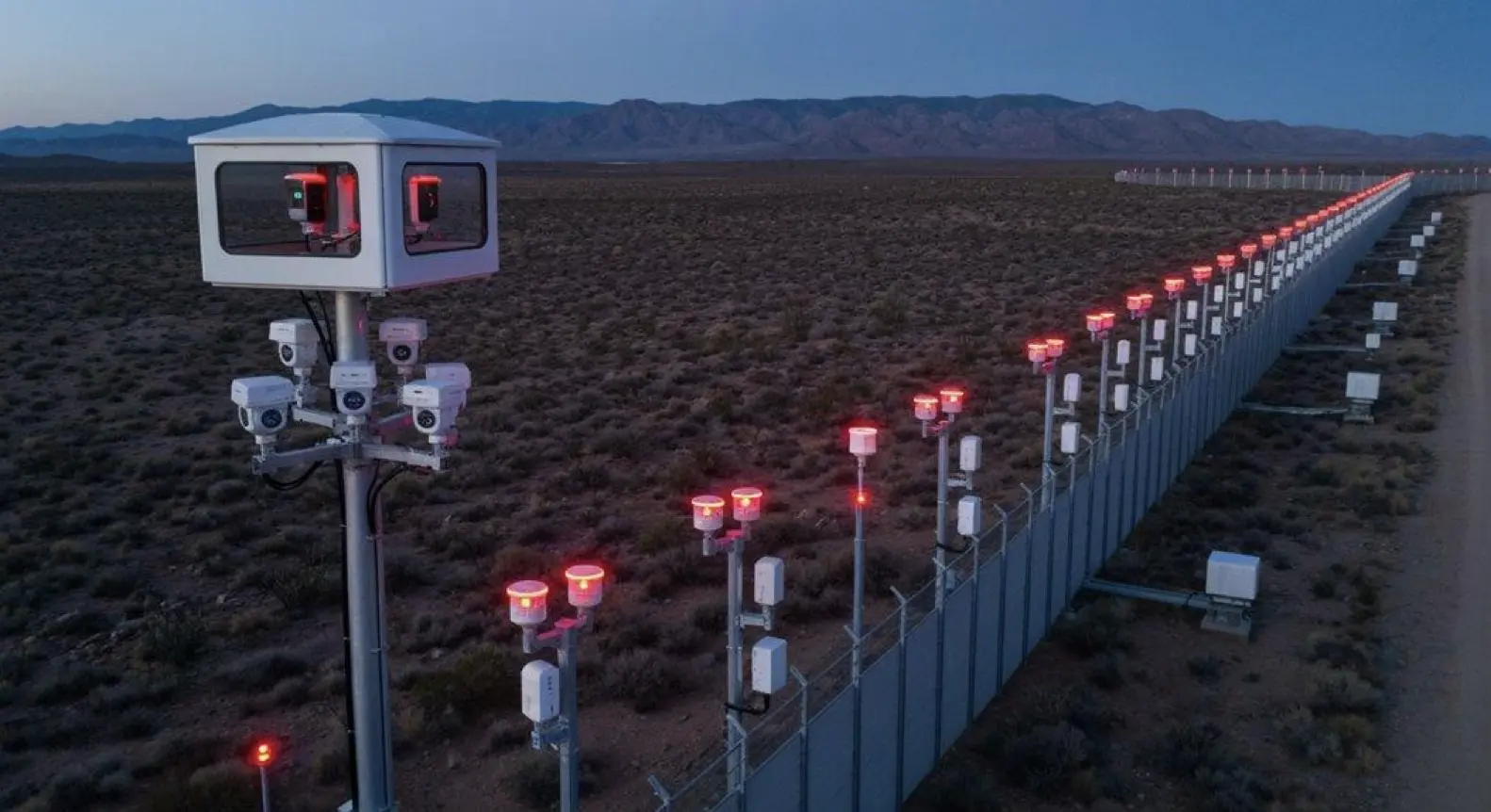
Identity is currency now. At the crossing point, authentication stops being optional—it becomes the wall itself, the boundary that decides who enters and who stays out. Biometric identification verification systems deploy AI-powered technology that transforms faces and fingerprints into real-time gatekeepers: silent, vigilant, unblinking.
How does the system catch fraud before it completes? Through intelligent threat detection networks that harness predictive analytics, screening every traveler against vast databases, flagging mismatches in milliseconds. The system flags anomalies. The system flags forgeries. The system flags the slightest deviation—then shuts the gate. No second chances.
Intrusion detection systems integrate biometric authentication technology across automated screening procedures, creating situational awareness platforms that remember every crossing, every face, every print; these networks don’t forget, don’t sleep, don’t negotiate. They build profiles from millions of data points, learning patterns that human eyes would miss, adapting to new threats as they emerge across borders worldwide. The Travelers Verification Service enhances biometric procedures for lawful entry and exit into the U.S. These systems leverage unique traits that provide reliable identity assurance impossible to replicate or forge. Iris patterns contain over 240 unique features that drive authentication accuracy beyond what fingerprints or facial recognition alone can achieve. This is protection reimagined.
| Biometric Modality | Detection Capability |
|---|---|
| Facial Recognition | High-volume processing, group identification |
| Fingerprint Matching | Criminal record cross-referencing |
| Iris Scanning | Frictionless outdoor verification |
| Multimodal Fusion | Spoofing defeat, fraud resistance |
| AI Analytics | Pattern anomaly flagging |
Consider multimodal fusion—it defeats spoofing attempts you didn’t know existed. Facial recognition handles high-volume crowds. Fingerprint matching cross-references criminal records instantly. Iris scanning verifies identities outdoors, no friction, no delay. When combined, these modalities create fraud resistance so robust that even sophisticated attacks crumble.
Your security depends on this layered defence. Because borders need more than guards and checkpoints; they need intelligence that thinks, learns, and adapts faster than any threat can evolve.
RADAR Systems: All-Weather Long-Range Detection for Automated Perimeter Security
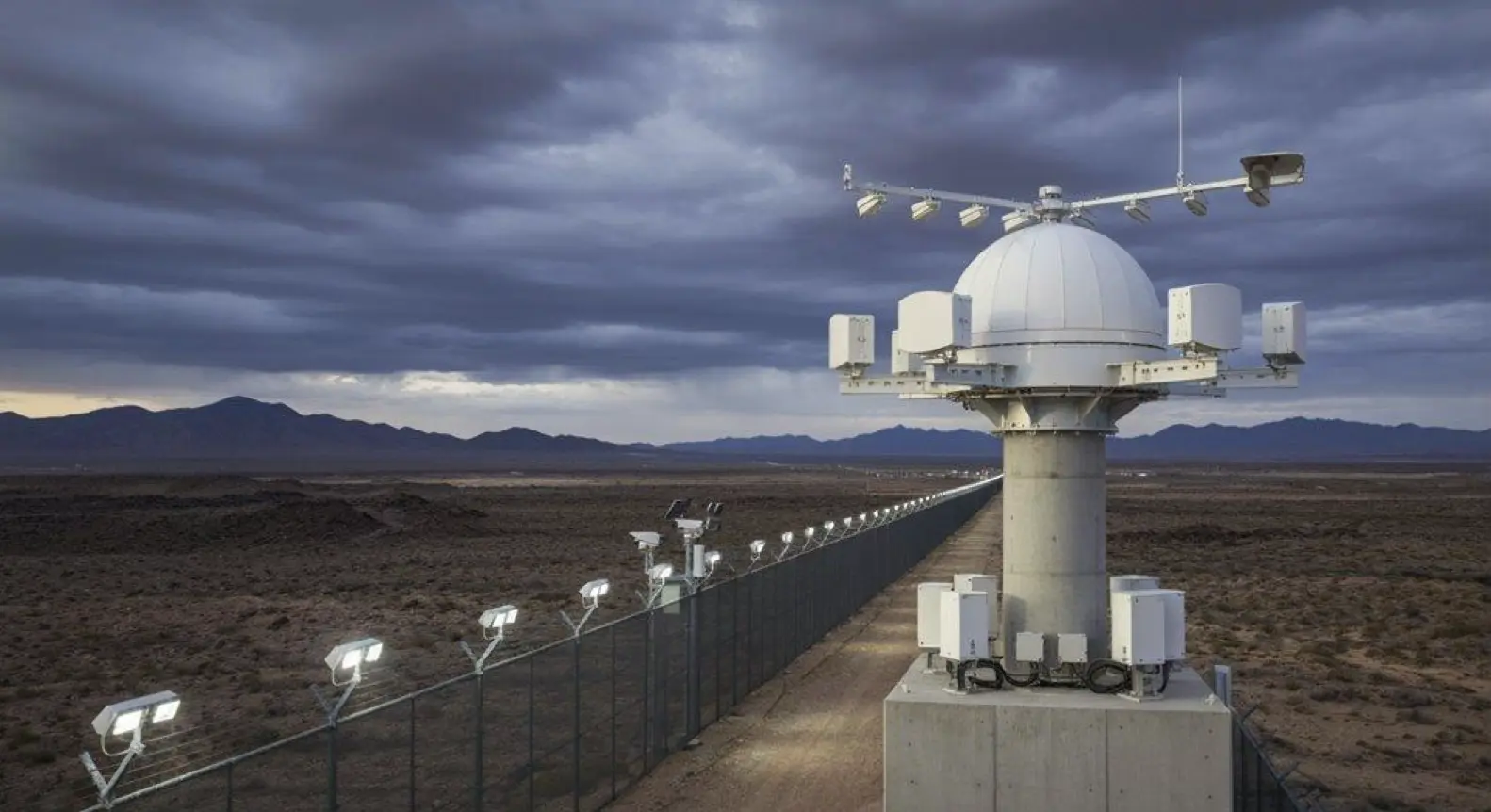
Detection range? Fifteen kilometers for personnel with the Blighter B422LR. Each radar unit blankets 707 square kilometers—a coverage area that transforms perimeter defense into strategic mastery.
Consuming just 4 Watts (the equivalent of a mobile phone), these systems operate in all conditions: fog, rain, snow; they scan a full 360 degrees electronically, without mechanical rotation, without vulnerable moving parts.
Imagine *you* managing a facility where weather doesn’t dictate security. Traditional systems fail when visibility drops. Radar thrives. Radar sees. Radar protects—through blizzards, through downpours, through midnight fog banks that would blind every camera on your fence line.
When visibility dies, radar awakens—your perimeter shield that never blinks through storms traditional security cannot survive.
Intrusion monitoring through geospatial capabilities creates real-time threat maps, tracking every breach attempt as it unfolds across your digital terrain, painting vectors and velocities in the operations center, feeding decision-makers the intelligence they need to respond with precision rather than panic.
Then solar-powered units deploy anywhere. Why settle for detection gaps when complete coverage exists?
The electronic scan eliminates the reliability issues plaguing mechanical systems; no motors burn out, no bearings seize, no maintenance windows leave you vulnerable.
You install these units in remote locations—deserts, arctic outposts, offshore platforms—and they function autonomously for years. The compact SWaP profile facilitates rapid deployment across challenging terrain where traditional radar installations prove impractical.
Performance metrics tell the story: 15 km range, 707 km² coverage, 4 W consumption. AI-assisted software automates radar configuration, adapting to changing weather without manual intervention. Integration of thermal imaging cameras with radar creates a comprehensive detection network that identifies threats through multiple sensor modalities. But the real story lives in what those numbers enable.
Unbroken vigilance. Weather-independent operation. Power efficiency that laughs at traditional systems drawing kilowatts while delivering half the capability.
Mobile-phone-level consumption powering military-grade detection.
All conditions, all angles, all threats—mapped in real time.
Thermal Imaging vs Visual Systems: Identifying Concealed Weapons at Checkpoints
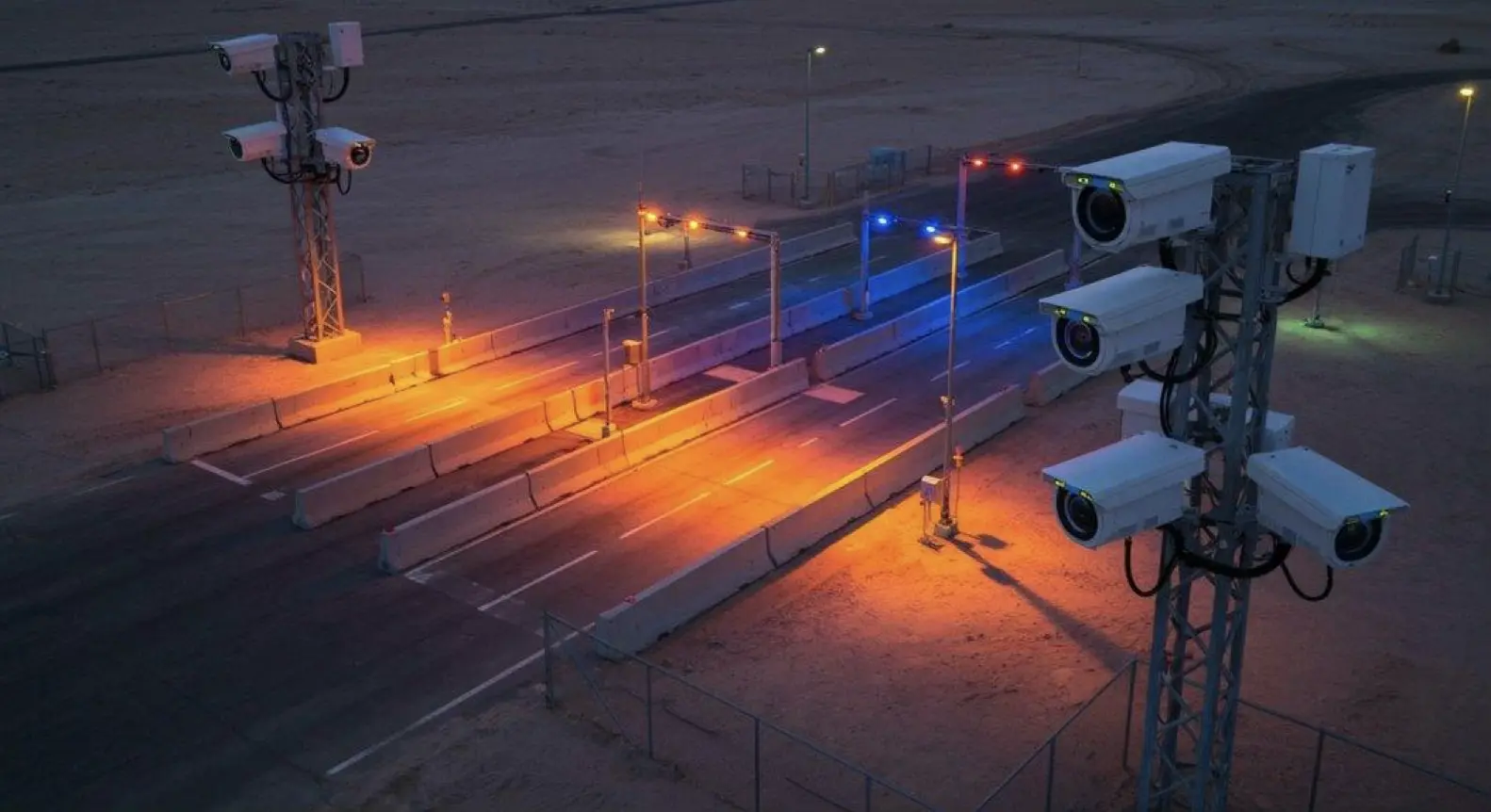
Three in the morning. Driving rain hammers the checkpoint. How does an operator spot a concealed pistol under a winter coat when darkness swallows everything? Thermal imaging devices detect what visual systems cannot—heat signatures that pierce through weather, through darkness, through concealment itself. Visual systems fail you here; thermal sensors do not.
Security sensors integrated with biometric screening and threat assessment algorithms identify temperature anomalies hiding beneath layers of clothing. The automated perimeter surveillance system fuses data from multiple monitoring sources, synthesizing inputs that stand alone would mean little but together paint a complete tactical picture. These systems catch concealed weapons. These systems process threats in real time. These systems work regardless of visibility conditions—and they never blink.
While rain obscures cameras and night blinds the human eye, thermal imaging reads body heat differential: the telltale cool spot where steel rests against warm skin, the signature gap that betrays hidden metal. A pistol tucked in a waistband creates an unmistakable thermal void. The algorithms flag it instantly.
Threat assessment protocols activate automatically—biometric scanning cross-references the individual, perimeter sensors triangulate position, monitoring systems relay alerts to response teams. You receive actionable intelligence in seconds, not minutes. AI-enhanced features assist in accurate threat detection, minimizing false alerts through automated validation processes that distinguish genuine threats from benign anomalies.
The fusion architecture ensures no single-point failure: one sensor confirms what another suspects, redundancy built into every detection layer. Integration of data from multiple monitoring points creates a unified understanding that eliminates blind spots and strengthens response coordination. The thermal cameras detect temperature variations as small as 0.1 degrees Celsius, identifying subtle heat differentials that reveal concealed objects invisible to conventional sensors.
No guesswork. No waiting for dawn. No gambling on whether that bulge under the coat is a phone or a firearm. Thermal imaging eliminates the variables that compromise checkpoint security; it transforms uncertainty into certainty, transforms weather and darkness from obstacles into irrelevancies.
At checkpoints where stakes run highest, where you need absolute detection capability, thermal systems deliver what visual systems promise but cannot provide: reliable identification of concealed weapons under any conditions.
Risk Analysis Frameworks Transform Situational Data into Predictive Threat Prevention
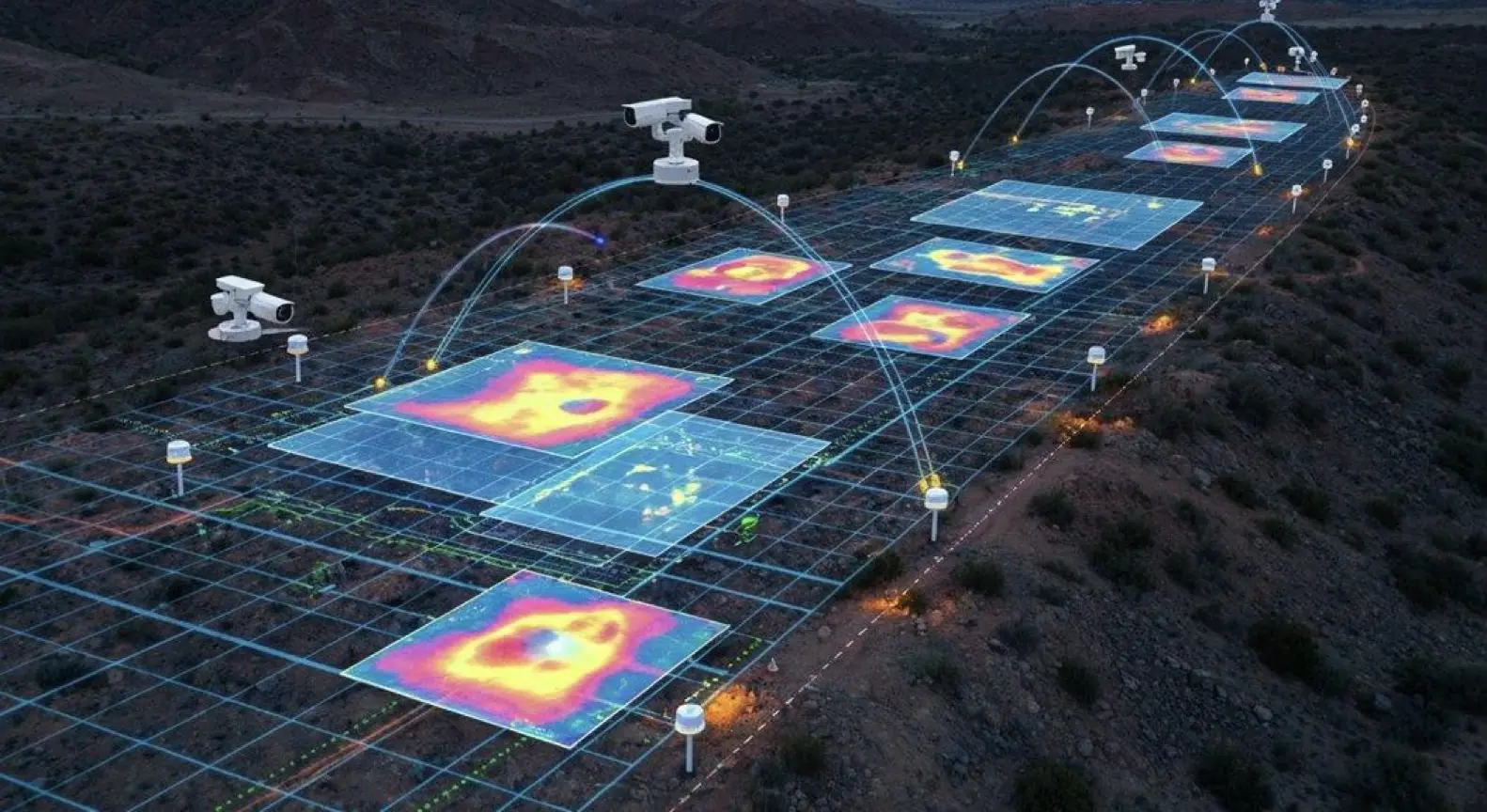
Thermal imaging catches the weapon at the gate. Then the script flips. Risk analysis frameworks transform raw feeds—drone-based border monitoring solutions, real-time surveillance systems, automated vehicle inspection stations—into predictive threat prevention, and they do it by turning situational data into intelligence you can act on.
Machine learning crunches the numbers. Data analytics sorts high-risk tracks from noise across perimeter security infrastructure. Pattern by pattern, threat by threat, anomaly by anomaly, the system learns what danger looks like—and then it learns faster.
How does prediction outpace intrusion? Through five core components working in concert: the data ingestion layer aggregates sensor streams; an ML classification engine flags anomalies and assigns risk scores; a predictive model projects intrusion likelihood before boots hit the ground; an alert prioritization queue routes high-threat events first, ensuring you never waste seconds on false positives; finally, the response automation module triggers countermeasures the instant thresholds break.
Each layer feeds the next. Each decision sharpens the whole.
The old way waited for breach. The new way anticipates it.
Consider what you gain: seconds become minutes, minutes become containment, containment becomes prevention. Real-time surveillance evolves into real-time foresight—cameras don’t just watch; they warn, they weigh, they act.
Automated vehicle inspection stations no longer simply scan; they assess risk, flag outliers, reroute resources to where the threat is highest. Drone-based border monitoring solutions cover vast perimeters, feeding the ingestion layer with streams that never sleep, never blink, never miss a pixel out of place.
Risk analysis frameworks don’t just process data. They translate chaos into clarity, feeds into forecasts, uncertainty into actionable intelligence.
The result? Threat prevention that moves at machine speed with human priorities guiding every decision.
Why Intrusion Detection Systems Need Biometric Verification to Reduce False Positives
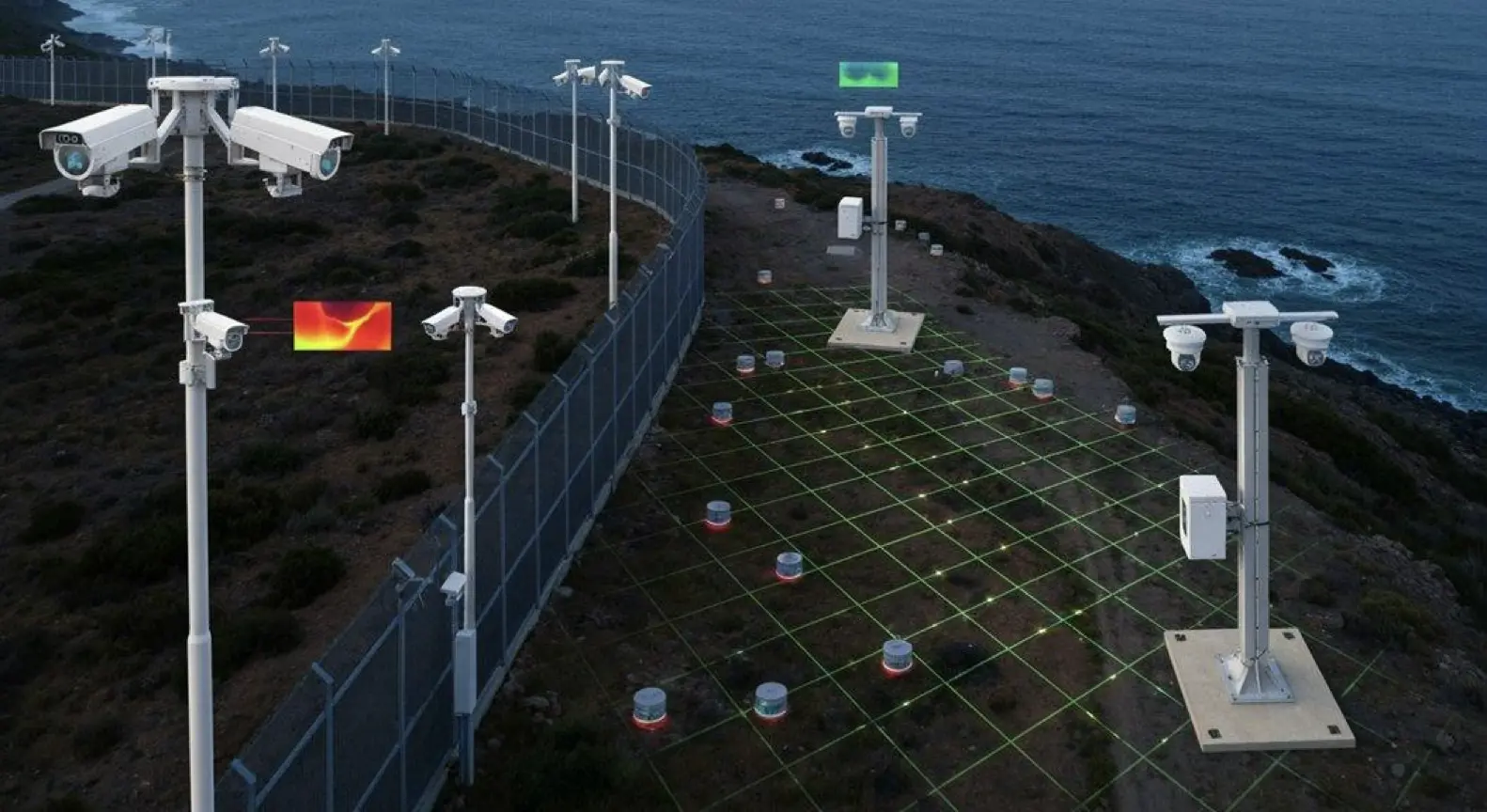
When every shadow trips a sensor, operations drown in noise. Every gust of wind triggers an alarm. Every deer becomes a crisis. False alerts pummel security teams until real threats blur into the background—until *you* can’t tell danger from distraction.
Smart fence intrusion detection generates relentless chaos: animals wander through zones, weather rattles equipment, technical glitches spawn phantom intruders. Automated border intrusion detection systems desperately need biometric verification for identity certainty. Why? Because facial recognition and fingerprint analysis cut through the pandemonium with surgical precision, separating actual humans from tumbleweeds, coyotes, and broken sensors that cry wolf at midnight.
Consider the advantages. Threat intelligence cross-references criminal databases instantly; operational efficiency skyrockets when agents stop chasing raccoons; privacy safeguards prevent the data abuse that keeps civil liberties advocates awake at night. Biometrics transform the equation.
No more false positives. No more wasted manhours. No more credibility bleeding away with each pointless scramble. Instead, *you* gain certainty—the kind that lets teams focus on genuine incursions while automated systems handle the noise reduction. Facial verification filters the human from the animal, the authorized from the hostile, the threat from the distraction. Fingerprint matching adds a second layer when visual confirmation fails or conditions obscure the lens.
The rhythm changes completely: longer response times collapse into seconds, bloated alert queues shrink to manageable lists, and overwhelmed operators reclaim their sanity.
Biometric integration doesn’t just reduce errors—it restores operational coherence to systems choking on their own sensitivity settings.
False positives collapse. Certainty rises. Security works again.
Satellite and Drone Systems Coordinate for Wide-Area Aerial Border Surveillance
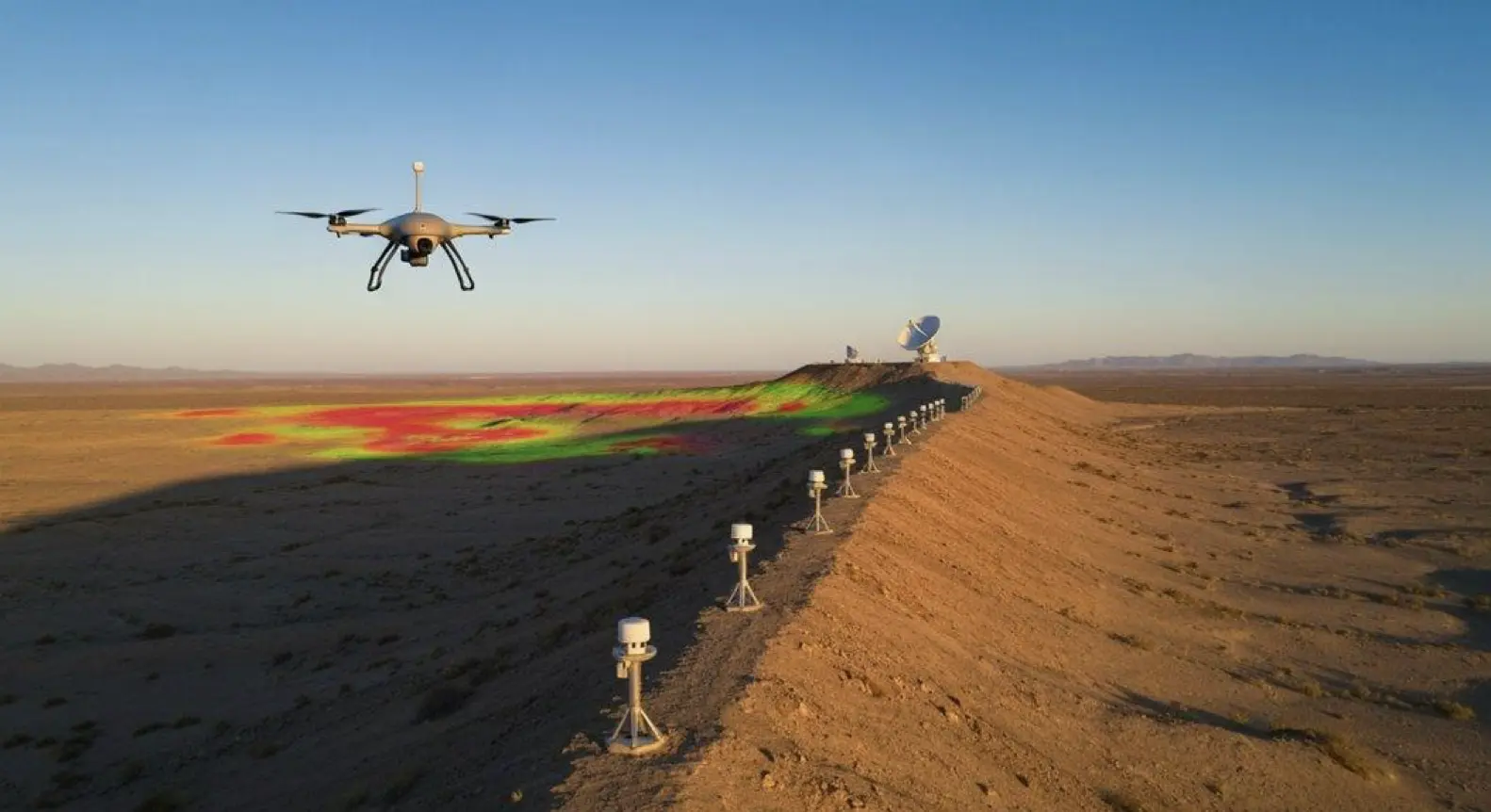
Biometric verification solves the false-positive nightmare on the ground. Ground sensors can’t. They can’t watch hundreds of miles of empty desert simultaneously, can’t track movement across terrain that swallows vehicles whole, can’t cover the vastness that sprawls beyond human sight. Satellite imaging systems can.
Ground sensors fail where satellites succeed—watching vast, vehicle-swallowing terrain that stretches beyond human sight and traditional reach.
These orbiting platforms identify hot spots and cue autonomous drones for border protection—no guesswork, no wasted patrols. Through geofenced restricted area monitoring, drone monitoring platforms transmit real-time data: video surveillance cameras fuse with motion detection systems, algorithms flag anomalies, and coordinates stream to operators who track every pixel.
Sub-second latency means command centers see threats unfold live. You watch the incursion happen. Not a recording—the event itself. What good is surveillance if you see the breach ten minutes too late? None.
So the system delivers speed: satellite spots the heat signature, drone launches within moments, camera zooms, data flows through encrypted channels to your screen. No delays. No excuses. No second chances for those who would exploit the gaps.
The desert stretches wide, indifferent to borders and boundaries. Traditional patrols covered miles per hour; this network covers miles per second, stitching together orbital vision and airborne persistence into a single watchful eye that never blinks, never tires, never looks away when the shift ends.
Real-time means real power—the power to interdict before crossing, to respond before escape, to protect before penetration. The fusion happens seamlessly: motion triggers alert, alert triggers drone, drone confirms threat, confirmation triggers response. Each link in the chain measured in milliseconds.
Empty desert? Not anymore. Every dune hides a sensor’s gaze, every ridge falls under satellite sweep, every corridor becomes a monitored zone where autonomous platforms patrol in patterns no human crew could sustain.
Interested in synthetic data for your project? AILiveSim 2.0 (our new version!) enhances AI-based simulation for multi-sensor autonomous systems - automating data generation, analysis, and augmentation to streamline model training and testing. Find out more: AILiveSim
Frequently Asked Questions
How Does Situational Awareness Integrate Multi-Source Data From Different Sensor Technologies?
Situational awareness integrates multi-source data through sensor fusion platforms that employ AI algorithms to correlate inputs from radar, LiDAR, thermal cameras, and acoustic sensors in real-time, creating a unified operational picture with cross-validated anomaly detection and automated threat classification capabilities.
What Cognitive Processes Enable Human Operators to Interpret Automated Threat Alerts?
Human operators interpret automated threat alerts through cognitive processes including preattentive threat scanning, resource allocation triggering arousal, guided threat evaluation evaluating severity and context, and goal engagement systems maintaining focus on confirmed threats while filtering false alarms.
How Do Autonomous Systems Achieve Forward Projection of Future Intrusion Scenarios?
Autonomous systems achieve forward projection by applying machine learning algorithms to historical intrusion patterns, continuously adapting models with real-time sensor data, and correlating detected movements with environmental variables to generate probabilistic future breach scenarios and threat timelines.
What Response Time Improvements Result From Predictive Versus Reactive Border Security?
Ironically, “reactive” security waits for threats to materialize. Predictive systems process border data in under two seconds versus minutes or hours traditionally required, enabling preemptive decisions from initial travel intent through real-time anomaly detection and dynamic resource deployment.
How Does Distributed Cognition Work Between Human Analysts and AI Systems?
AI processes vast surveillance data to detect patterns and anomalies, escalating critical cases to human analysts who interpret context, intent, and ethical considerations. Shared dashboards, feedback loops, and override authority guarantee collaborative decision-making and continuous model refinement.
Parting Shot
Autonomous border security isn’t perfect—honestly, it’s still evolving. But look at the Arizona sector: thermal drones working alongside ground sensors caught 87% more crossings in 2022 than agents could manage on their own. That’s a significant jump. The tech appears to be working. Biometrics help prevent wrong identifications. Predictive algorithms flag potential threats before they actually materialize.
This isn’t science fiction anymore. It’s operational reality, happening right now.
That said, humans still make the final calls—and that’s probably a good thing. Even so, without situational awareness fusing all that data together, border security would likely still be stuck in the analog dark ages. The fusion of sensors, analytics, and real-time feeds is what makes the difference. Strip that away, and you’re back to guesswork and patrols that miss more than they catch.
Resources
Explore Our Latest Insights
Stay informed with our expert articles and updates.
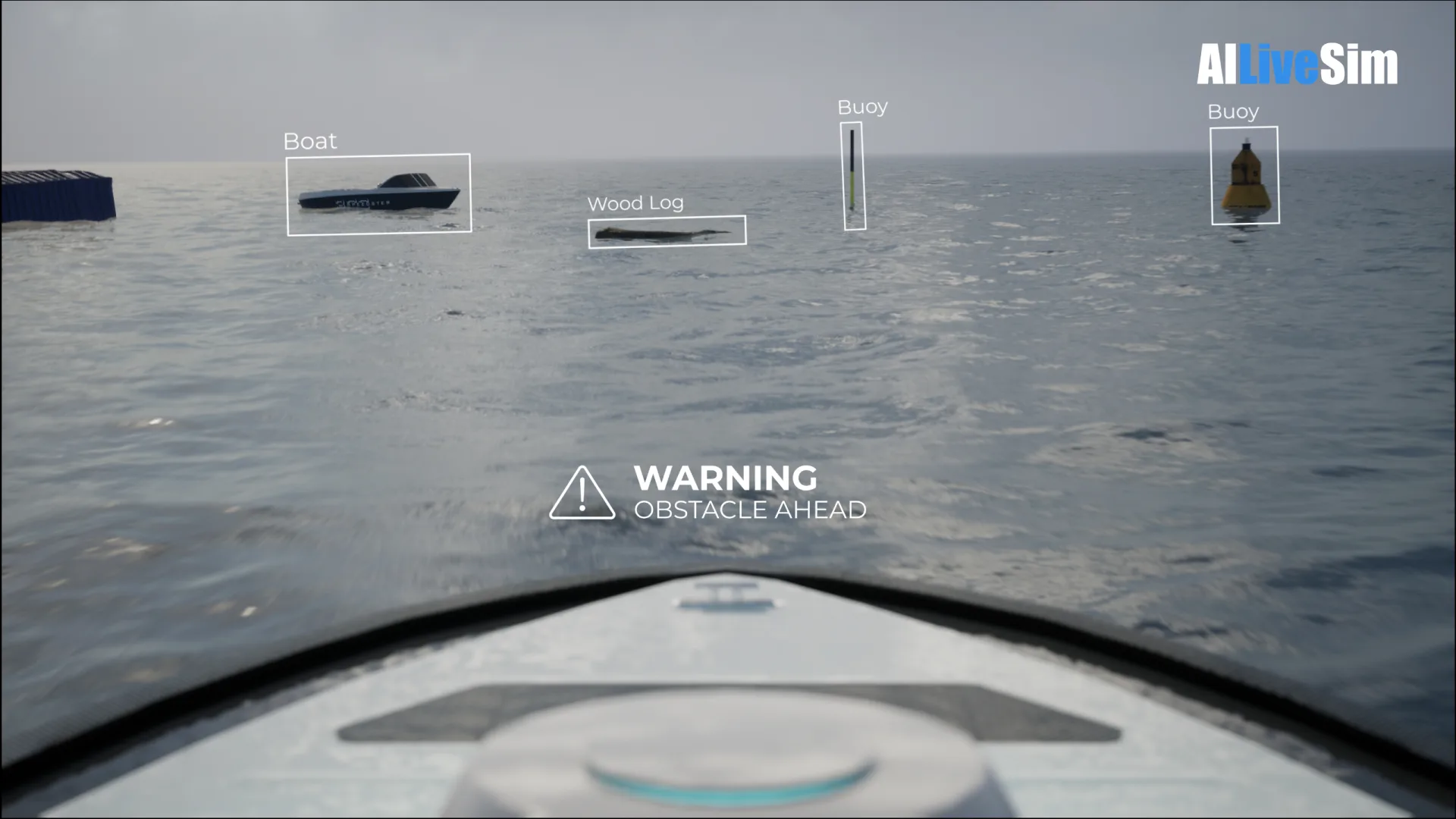
Article
Have You Tested Enough? Intelligent System Testing and the Coverage Problem
Test volume measures effort, not proof. How Intelligent System Testing samples scenarios adaptively to map where an autonomous system works, where it fails, and which combination of conditions moves it from one to the other.

AILiveSim
August 22, 2026 • 4 min read
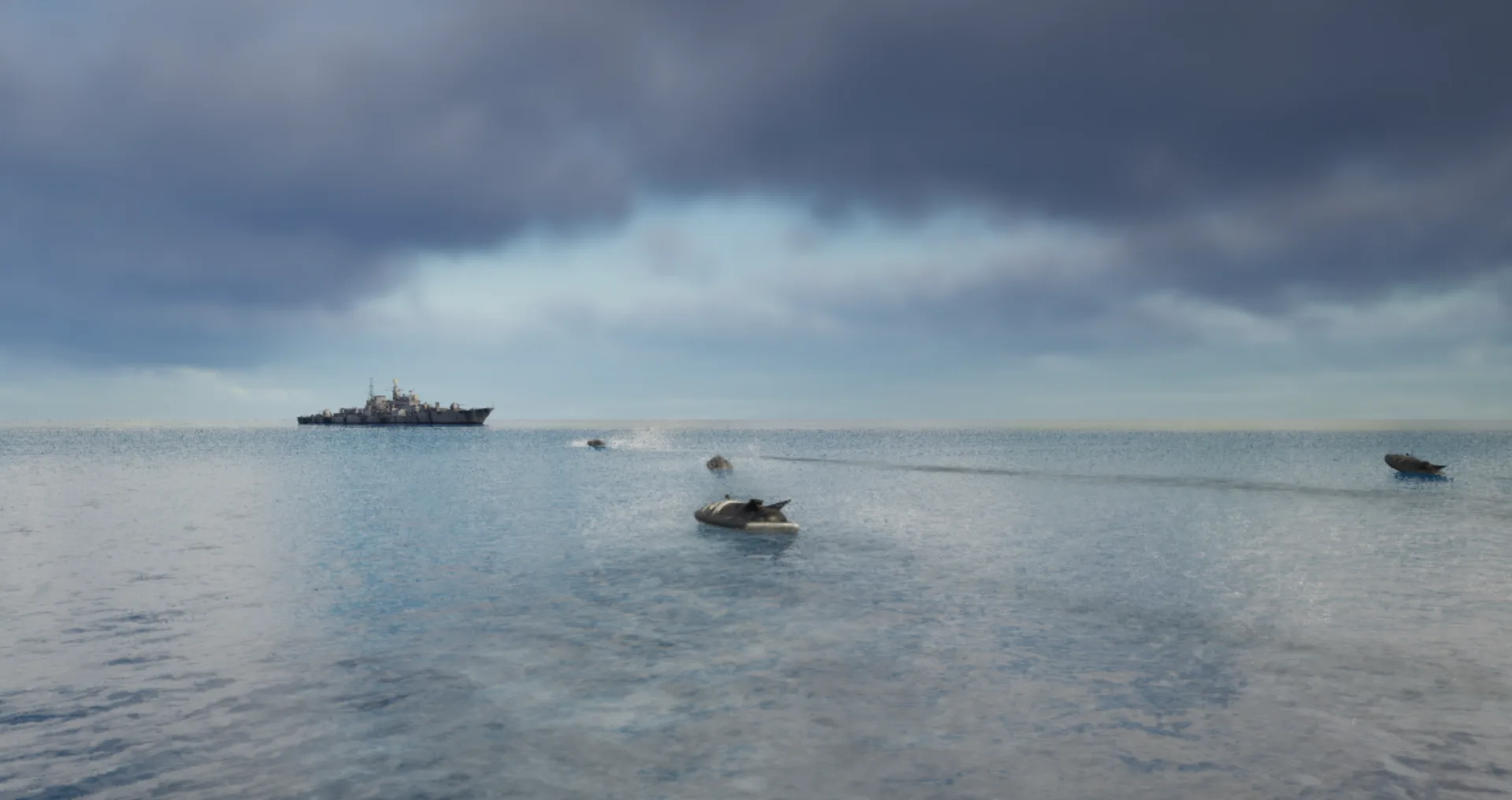
Article
Swarm Defense Testing: Measuring Intercepts, Not Detections
Why no volume of captured data validates swarm defense: adversarial scenarios generated live around the system under test, scored as intercepts achieved versus hits on the protected vessel across repeatable, parameterizable waves.
AILiveSim
August 17, 2026 • 4 min read
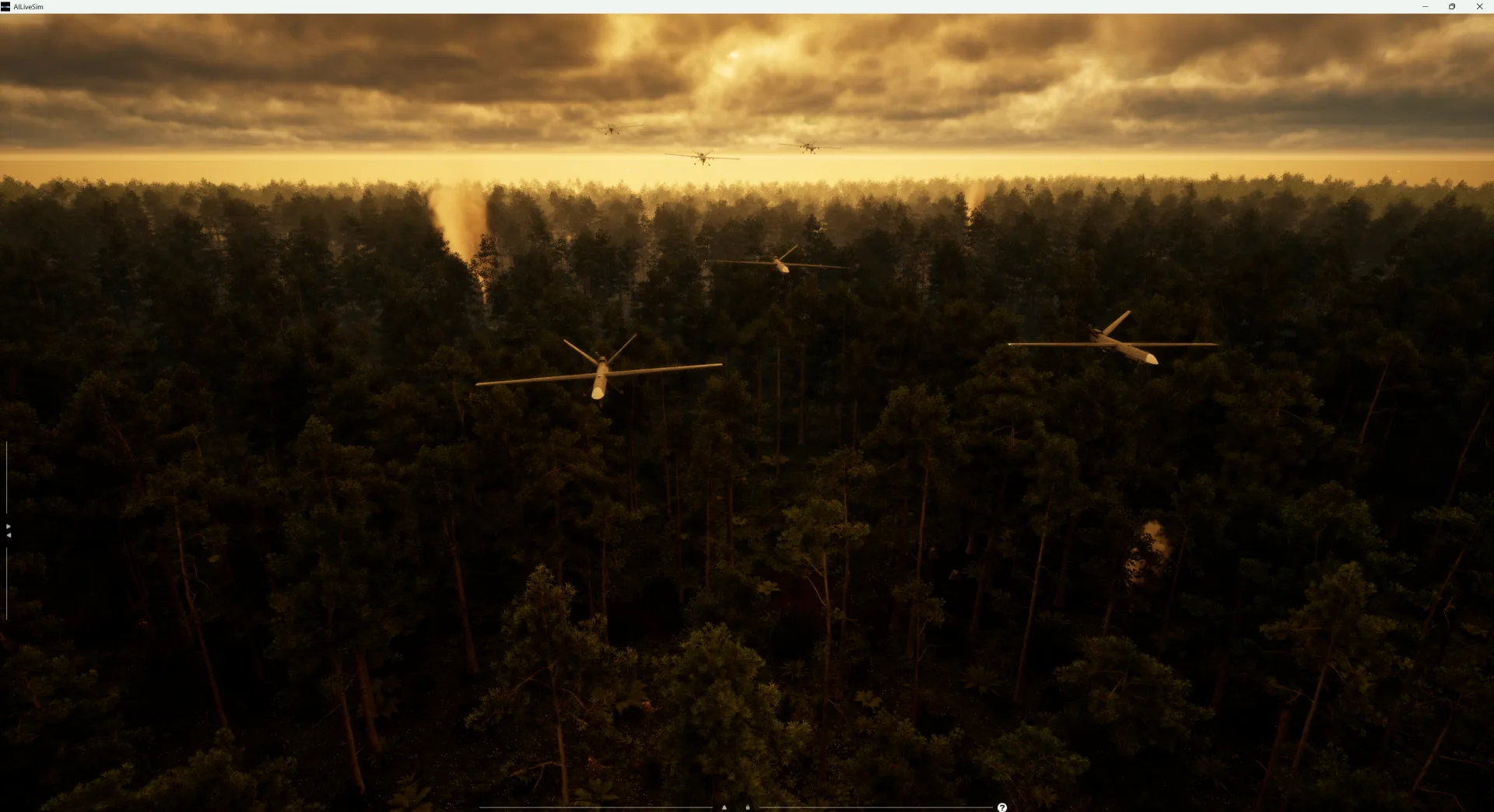
Article
Counter-Drone Detection: Why Precision Fails Before Recall Does
Why counter-drone detection fails on precision before recall: negative-class coverage by sensor channel, and scoring threats neutralized alongside friendlies preserved on repeatable, configurable drone waves.
AILiveSim
August 13, 2026 • 4 min read

Article
What Has to Be Inside an Airport Digital Twin Before It Is Worth Anything
What an airport digital twin must contain before it is worth anything: rare surface conditions, four time-aligned sensors, automatic labelling, and procedural generation that extends to your airport.
AILiveSim
August 10, 2026 • 4 min read

Discover the benefits of synthetic data and simulation
By navigating on this site you agree that we use only minimal cookies required for this site to function. We do not monetize your data.