AI Live Sim

By clicking Subscribe you're confirming that you agree with our Terms and Conditions.
How Do Autonomous Counter Drone Systems Use Target Identification to Neutralize Threats?
Key Points
Deploy Autonomous Detection Systems with Target Tracking for Complete Airspace Coverage
3-Second Response Time: Military Interdiction Platforms Execute Rapid Neutralization
Which Radar Tracking Protocols Identify Low-Altitude Threats Below 50 Meters?
AI Detection Algorithms Process 1000+ Threat Signatures for Autonomous Identification
Multi-Zone Defense Networks Require Coordinated Assessment Command Centers
Achieving 95% Accuracy: How Sensor Fusion Arrays Eliminate False Positives
Individual vs Swarm Threats: Scaling Response Strategies on Integrated Platforms
Frequently Asked Questions
Parting Shot
Article
How Do Autonomous Counter Drone Systems Use Target Identification to Neutralize Threats?

November 07, 2025 • 25 min read


Autonomous counter-drone systems slam together radar, RF signals, and optical tracking into one threat-detection engine that chews through over 1,000 signatures per second. Multi-sensor fusion cross-verifies targets with 95% accuracy, filtering out false alarms while algorithms spot behavioral anomalies in real-time. Once a threat’s confirmed, neutralization kicks in under three seconds through layered defense zones—detection identifies, decision logic judges, effectors engage. Swarms complicate everything, demanding coordinated networks and mass engagement protocols. The technology behind threat prioritization and adaptive response strategies reveals how these systems handle chaos without missing a beat.
Key Points
- ● Multi-sensor fusion combines radar, RF signals, and optical data to achieve over 95% target identification accuracy through cross-verification algorithms.
- ● Autonomous systems process over 1,000 threat signatures per second, filtering non-threatening signals to enable rapid threat assessment and engagement.
- ● Three-layer response protocol activates sequentially: sensor fusion identifies threats, decision algorithms judge priority, and effectors execute neutralization.
- ● Behavioral analysis algorithms detect anomalies in drone trajectories and emissions, cross-referencing protocols to autonomously determine threat intent in real-time.
- ● Systems achieve sub-three-second response times by converting raw sensor data into actionable intelligence, with proximity thresholds triggering immediate engagement.
AILiveSim's expertise areas are in multi-sensor fusion simulation and synthetic data generation for defense autonomous systems, providing the high-fidelity training data required for counter-drone AI to achieve the 95% target identification accuracy discussed above. AILiveSim aims to build trust in AI synthetic data through simulation-in-the-loop methodologies that enable autonomous systems to be validated against millions of scenarios—including the complex swarm attacks and edge cases that are impossible or dangerous to test physically. Visit our website: AILiveSim.
Deploy Autonomous Detection Systems with Target Tracking for Complete Airspace Coverage
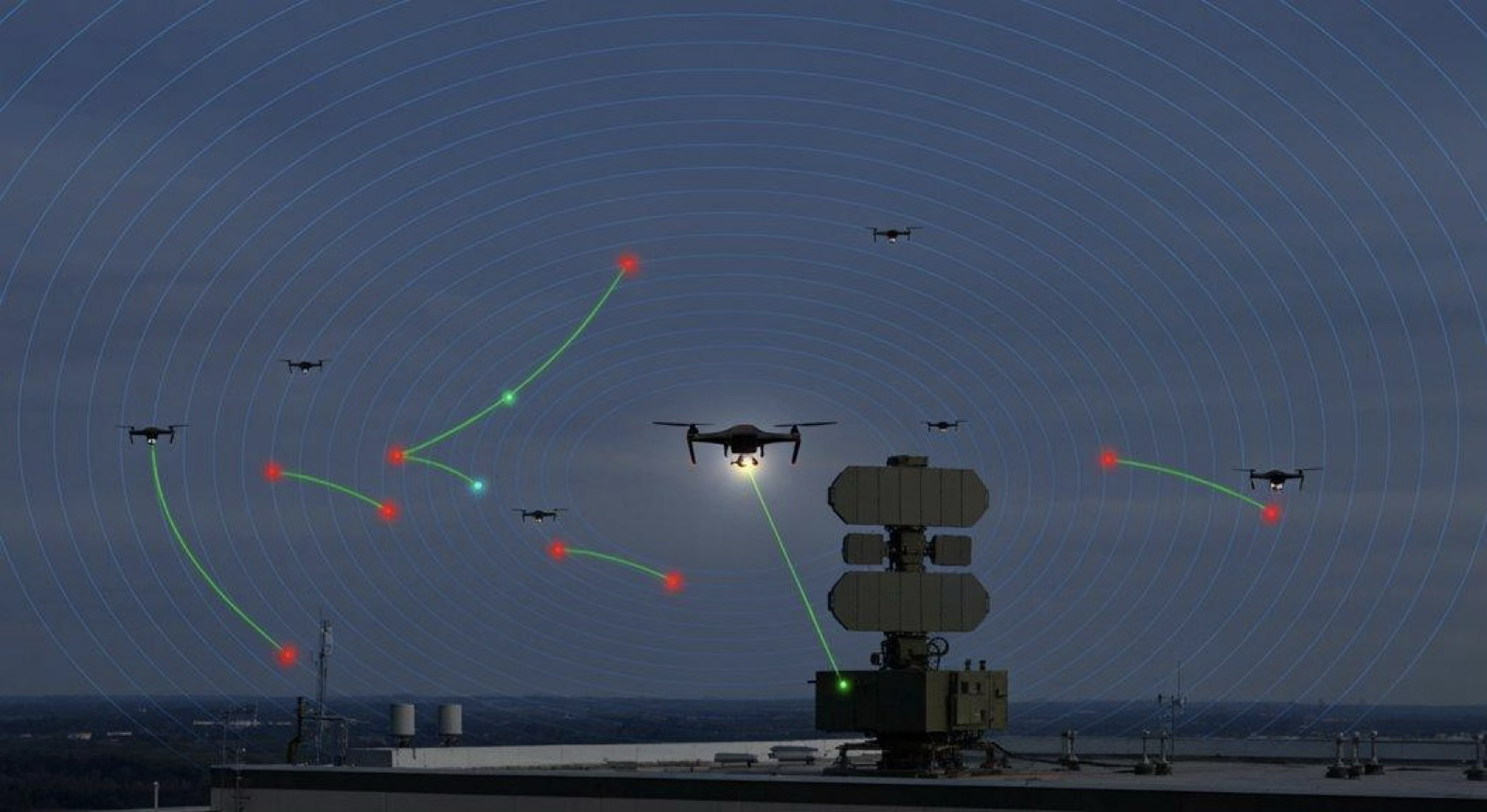
Unwanted drones in protected airspace? Autonomous detection systems don’t mess around. They fuse radar, RF signals, and optical data—three sensor streams converging into a single threat-identification engine—and they do it across ranges stretching 10 km.
Automated threat assessment frameworks churn through more than 1,000 signatures every second, powering real-time airspace monitoring and enabling neutralization mechanisms that respond before you’ve finished your coffee.
Processing 1,000+ threat signatures per second—automated frameworks identify and neutralize airspace intruders faster than human reaction time allows.
Consider what this means for you: multi-sensor fusion doesn’t guess. It knows. It tracks. It acts.
Radar integration delivers 360-degree scanning; RF protocol analysis pinpoints the operator’s location; vision tracking maintains persistence on multiple drones simultaneously.
Sensor integration ties these capabilities together with sub-three-second response times, while target tracking systems juggle 50 to 200 objects at once—each one cataloged, assessed, prioritized.
How fast does danger move? Faster than manual intervention can handle.
The system processes, the system decides, the system engages. The system processes incoming threats with tireless precision, the system decides which warrant immediate action, the system engages countermeasures autonomously.
You simply monitor.
No gaps. No delays.
Because when hostile drones probe your perimeter, every millisecond counts: detection must be instant, analysis must be accurate, response must be overwhelming.
This tri-layer architecture—radar sweeping the horizon, RF sensors eavesdropping on control signals, optical trackers locking visual confirmation—creates complete airspace coverage. Acoustic sensors supplement this framework by identifying drones through unique sound signatures that penetrate visual obscurants.
Modern platforms pull flight status and paths directly from intercepted communication links, revealing not just where the drone is, but where it’s going and how it plans to get there.
The result? A defensive envelope that adapts, learns, and tightens around intruders before they penetrate restricted zones.
Autonomous systems don’t tire, don’t blink, don’t second-guess. They scan, identify, track, and neutralize with machine consistency across vast volumes of sky.
Once threats are mitigated, comprehensive forensic evidence capture documents manufacturer details, model specifications, and complete flight histories to support prosecution of offenders.
3-Second Response Time: Military Interdiction Platforms Execute Rapid Neutralization
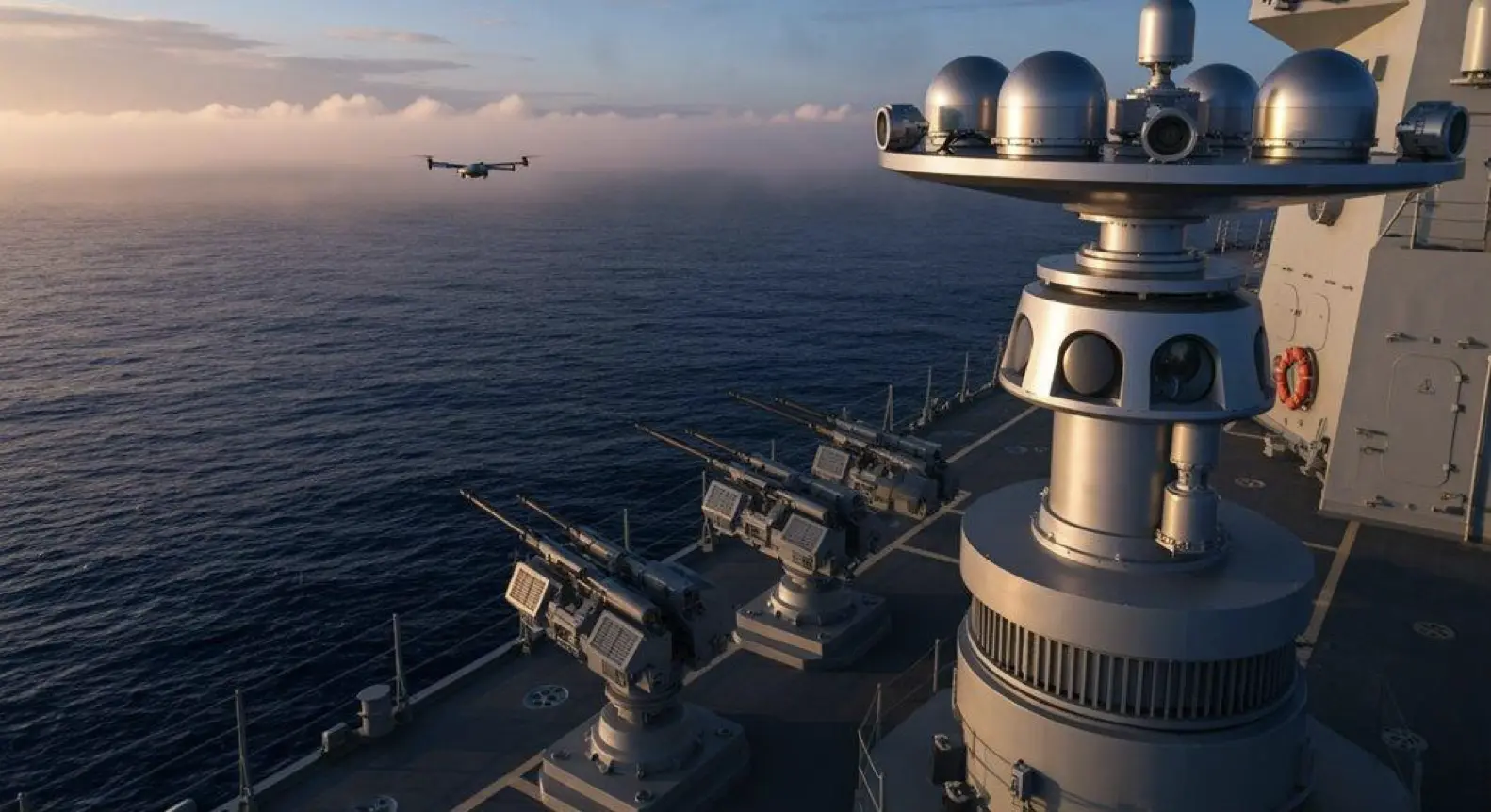
Detection means nothing. Absolutely nothing if the response arrives too late. Military-grade interdiction platforms compress decision cycles to seconds—not minutes, not hours. Against jet-powered drones arriving in under 30 seconds, you need automated engagement protocols that enable rapid neutralization: immediate, precise, unstoppable.
Consider how automated counter-UAS platforms coordinate their response. They coordinate kinetic interception drone systems and electronic warfare countermeasure suites simultaneously. They coordinate detection systems paired with threat detection algorithms. They coordinate eliminates every manual bottleneck. They execute.
Why do swarm attacks overwhelm traditional defenses? Because human operators can’t match machine speed. Detection systems paired with threat algorithms execute defeats faster than any operator during multi-vector assaults; the machines think in milliseconds while we think in heartbeats. When three drones become thirty, when thirty become three hundred, automated platforms process the chaos—tracking, prioritizing, engaging. No hesitation. No committee. No second-guessing the threat matrix.
Electronic warfare countermeasure suites fire while kinetic interceptors launch, creating layered defense zones that adapt as the attack evolves. The system reads the battlespace, rewrites the engagement sequence, and neutralizes inbound threats before you’ve finished reading this sentence. layered and integrated counterdrone systems have become increasingly urgent as conflicts from Nagorno-Karabakh to Ukraine demonstrate the lethal effectiveness of coordinated drone assaults against fixed positions. Military interdiction platforms don’t just respond to swarms. They dominate them.
Three seconds. That’s your window from detection to decision to destruction. Miss it, and the threat penetrates your perimeter. These automated systems own that window, compressing the kill chain into a tempo no human team can sustain. The platforms execute rapid neutralization not because speed is preferable—because survival demands it. Optical sensors enable visual verification of drone incursions and provide evidence of payloads during post-engagement assessment. AI and machine learning now drive detection strategies that continuously adapt to evolving drone signatures and evasion tactics.
Which Radar Tracking Protocols Identify Low-Altitude Threats Below 50 Meters?
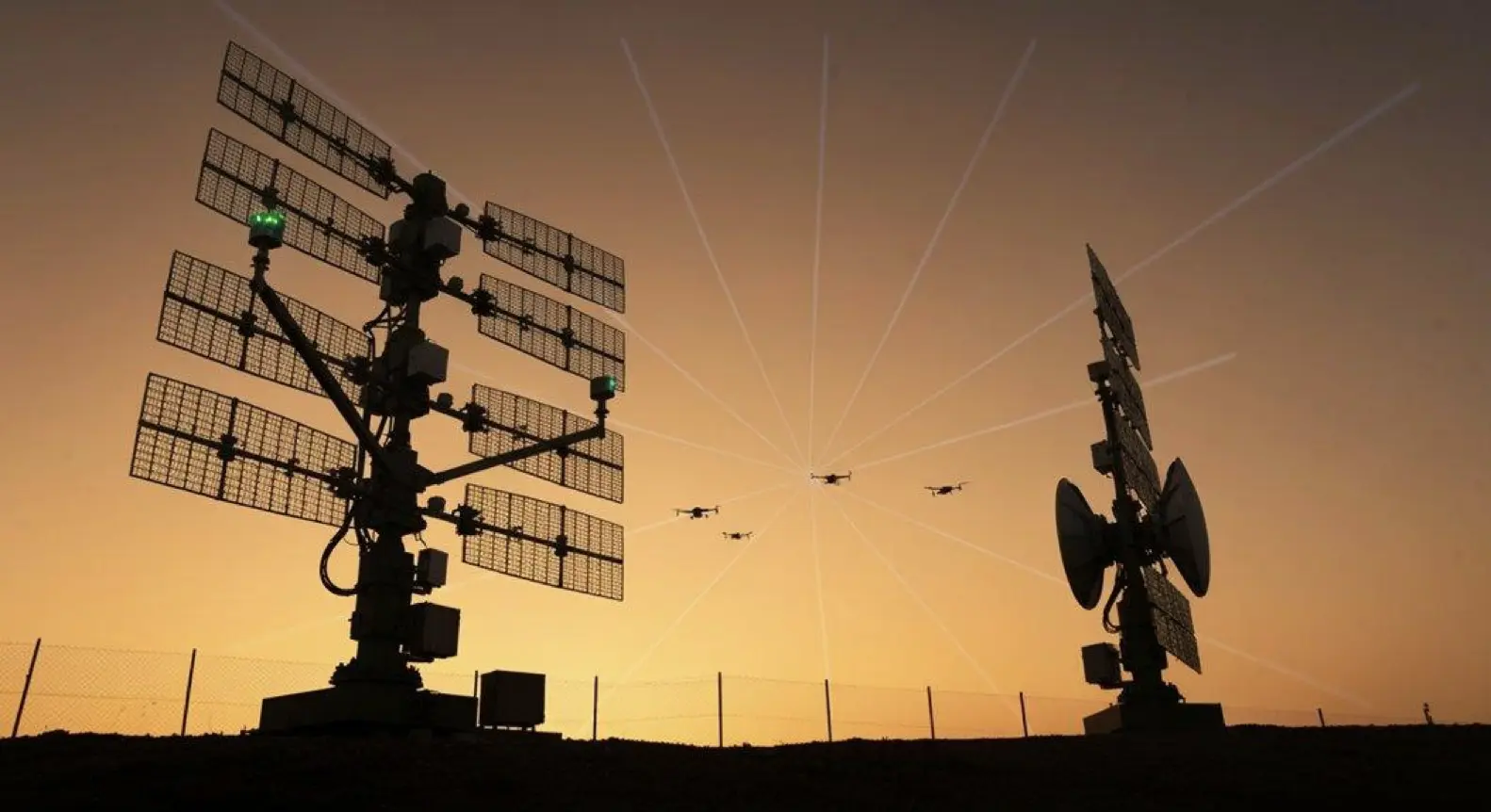
Surveillance scanning operates through a full 360°. It operates continuously. It operates across the 0–30° altitude band where threats hide. Doppler processing then enters the equation, separating UAVs in motion from every static object cluttering the field—trees, towers, terrain. Meanwhile, multi-frequency operation does something remarkable: it identifies drone materials, improves classification, and cuts through ambiguity with layered spectrum intelligence.
Can you see the pattern emerging?
Here’s the tactical advantage you need—automated track assignment maintains contact even when targets execute evasive maneuvers, banking hard or diving into ground clutter. These radar-based tracking solutions deploy on raised poles, mobile tripods, anywhere line-of-sight matters; they hunt below fifty meters where traditional systems go blind. High-performance radar captures flight path, speed, and altitude in real-time, delivering the precision data operators need to assess incoming threats. Display control terminals receive parsed radar return data, converting protocols to match customer requirements while storing experimental data for pattern analysis.
| Radar Protocol Component | Low-Altitude Function |
|---|---|
| 360° surveillance scanning | Covers 0–30° altitude continuously |
| Doppler processing | Separates moving UAVs from static objects |
| Multi-frequency operation | Identifies drone materials, improves classification |
| Automated track assignment | Maintains contact through evasive maneuvers |
Each component works in concert: scanning feeds detection, detection triggers processing, processing enables classification, classification demands tracking. Four stages. One mission. Centralized data integration creates a comprehensive time-varying air traffic picture, allowing multiple distributed units to identify individual aircraft consistently across the monitored airspace.
Below the tree line, threats materialize fast—drones skimming rooftops, quadcopters shadowing convoys, fixed-wing platforms surveilling your perimeter. Speed matters. So does placement: elevated sensors pierce the clutter that swallows ground-level radar. Mobility transforms coverage: today’s installation becomes tomorrow’s forward position, adapting as the threat evolves.
Low-altitude defense no longer tolerates blind spots.
AI Detection Algorithms Process 1000+ Threat Signatures for Autonomous Identification
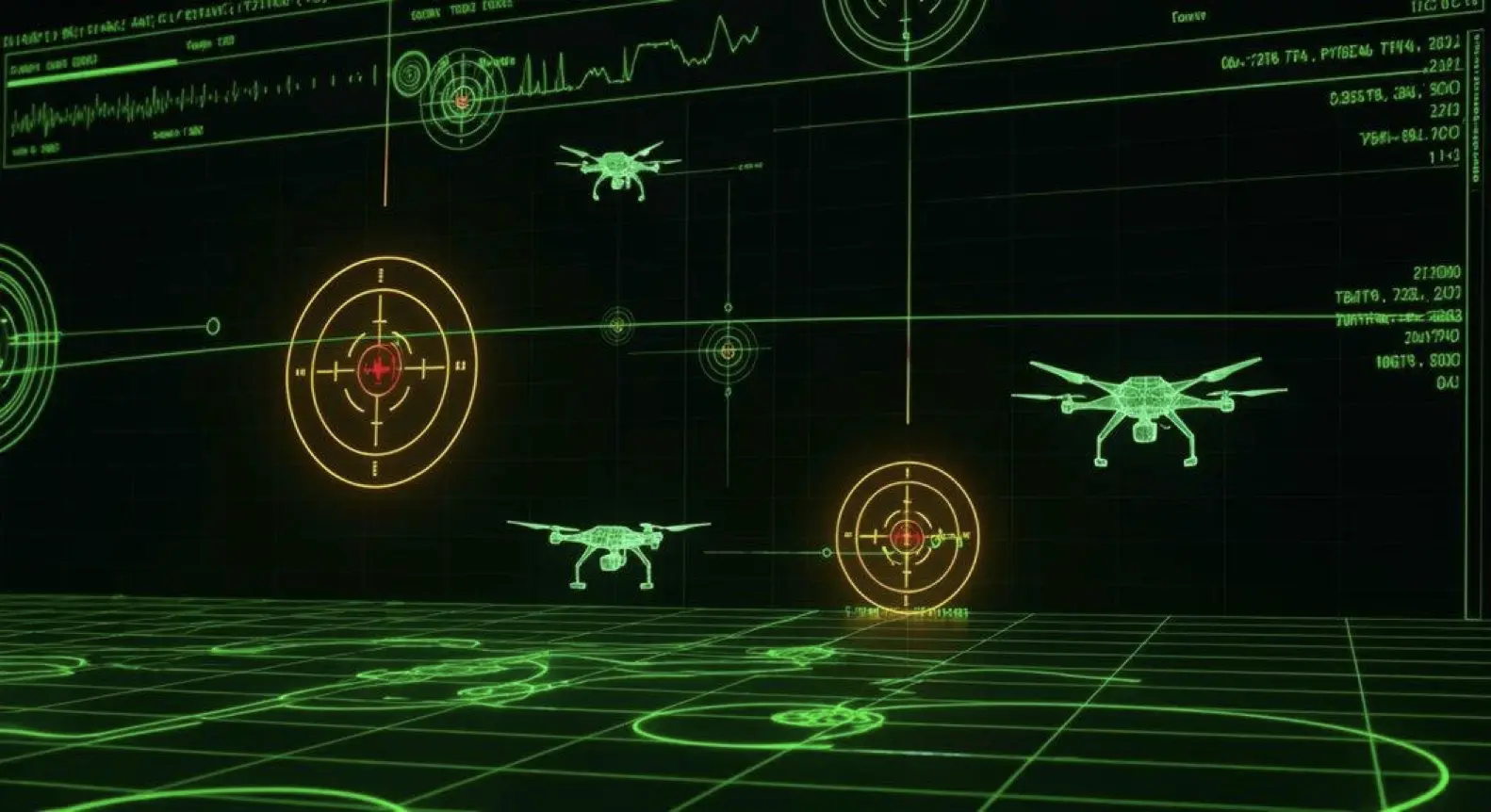
Signal analysis cross-references emissions against known control protocols—fast, methodical, relentless.
Then behavioral patterns step in: they reveal intent through loitering, through attack-run maneuvers, through every subtle shift in trajectory.
When you watch a potential threat circle overhead, what separates curiosity from hostile reconnaissance?
Artificial intelligence neutralization protocols answer that question by ranking threats according to proximity and payload likelihood; they weigh distance, speed, vector, and lethality in milliseconds.
Machine learning expands signature databases.
Machine learning refines detection thresholds.
Machine learning adapts to adversary innovation—and it does so automatically, no human babysitting required.
But here’s where the rhythm shifts: instead of waiting for analysts to catalogue each new variant, the algorithms themselves identify anomalies, flag novel emissions, and integrate fresh threat signatures into the recognition framework while you focus on mission-critical decisions.
Because autonomous identification processes more than a thousand signatures per cycle, the system hunts through radio-frequency fingerprints, thermal profiles, and kinematic models simultaneously—casting a net wide enough to catch everything from commercial drones to weaponized platforms.
Pure speed.
The result? Threat detection that learns, evolves, and sharpens itself.
No lag. No blind spots.
The AI doesn’t just match known threats; it anticipates emerging ones by correlating behavioral cues with payload probabilities, transforming raw sensor data into actionable intelligence faster than any human team could manage.
Neural networks trained on large datasets power the object recognition engine, enabling the system to distinguish between benign aerial objects and genuine threats with exceptional precision. Sensor fusion integrates radar, RF scanners, and camera feeds into a unified operational picture that eliminates detection gaps.
Systems operating in Unattended Mode sustain full defensive capability with minimal human intervention, maintaining 24/7 threat vigilance across the operational perimeter.
And when proximity thresholds collapse—when a contact closes inside the red zone—the system doesn’t deliberate. It acts.
Multi-Zone Defense Networks Require Coordinated Assessment Command Centers
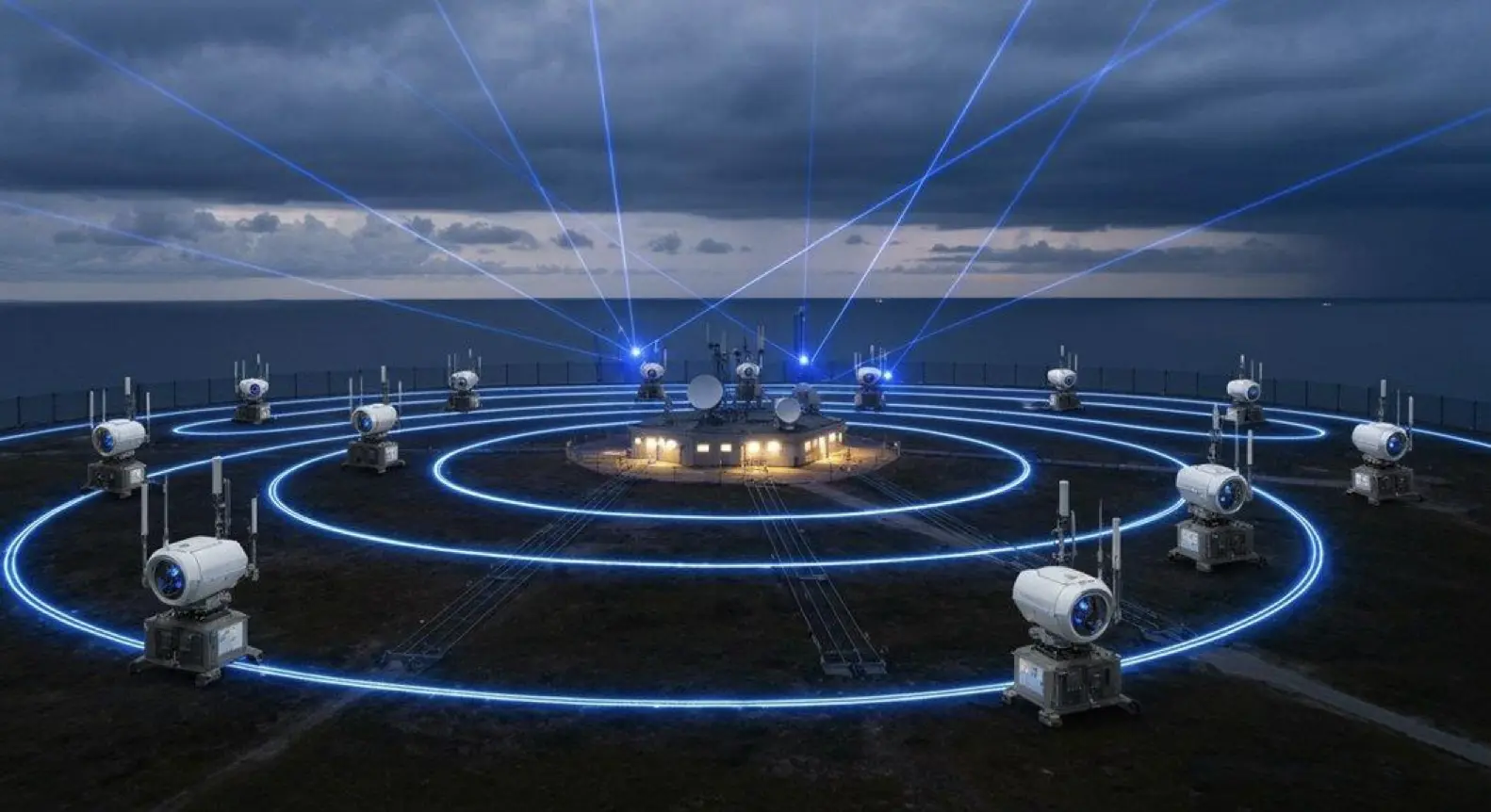
Coordination separates chaos from control. It separates confusion from clarity. It separates defeat from defense when threats multiply across miles of airspace—but only if you understand how the pieces connect. Multi-zone defense networks link command centers through fusion systems that merge distributed monitoring feeds, compile sector data from dozens of sensors, and transform fragmented intelligence into one coherent picture.
Automatic decision tools handle target identification across sectors; they analyze trajectories, classify threats, and route neutralization orders to the right effector at the right moment. No hesitation.
Without autonomous neutralization protocols, handoffs between zones create gaps where drones slip through undetected—gaps that turn networks into sieves. Do you see the pattern? The fusion layer receives data, the decision layer processes threats, the effector layer engages targets: three steps, one synchronized response. Each command center must trust the others. Each center must share its picture. Each center must act as though the entire network depends on its precision. Because it does.
Three layers, one response: fusion sees, decision judges, effector strikes—no gaps, no hesitation, no sanctuary for threats.
You need systems that guarantee seamless transitions when a drone crosses from Zone Alpha into Zone Bravo. Sensors pass tracking data forward, engagement authority transfers automatically, and the threat never escapes observation—never finds sanctuary in the seam.
These protocols eliminate the blind spots that adversaries exploit. They create overlapping coverage, redundant awareness, continuous pressure.
The result? A defense perimeter that breathes as one organism. Coordinated assessment command centers don’t just watch their own sectors; they orchestrate a symphony of detection, decision, and destruction across the entire battlespace.
Short sentences quicken the pulse. Longer ones build the framework of understanding, layering detail upon detail until the architecture of integrated defense becomes visible. Then action strikes.
Achieving 95% Accuracy: How Sensor Fusion Arrays Eliminate False Positives
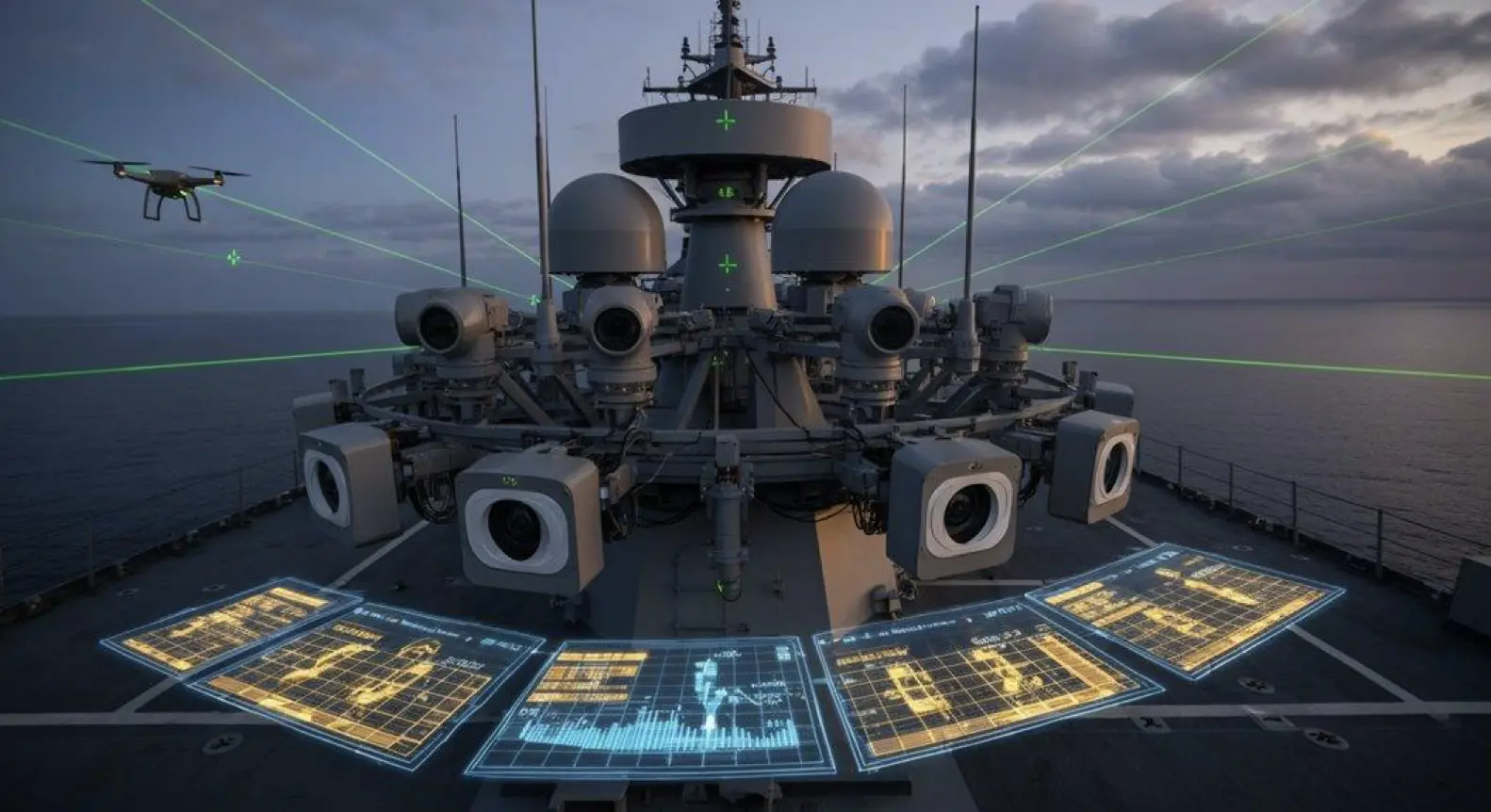
How do you turn a defense network from a trigger-happy liability into a precision instrument? Sensor fusion arrays.
They merge radar, RF, and optical data—three streams that flow through AI algorithms and deconfliction protocols until target identification accuracy hits 95% or higher.
Sensor arrays cross-check signals in real-time, filtering seagulls from cruise missiles, weather balloons from drones, clouds from warheads.
Real-time threat evaluation validates every contact before escalation; no alarms trip without corroboration, no countermeasures deploy on guesswork alone.
The old way? False positives. False positives everywhere. False positives that wasted ammunition, scrambled jets, and eroded trust in the system itself.
Now the pattern breaks: cross-verification eliminates the noise.
In a single second, the network compares infrared signatures against radar returns, matches RF emissions to known threat libraries, and applies machine-learning models trained on ten thousand engagements.
If two sensors disagree, a third adjudicates. If uncertainty persists, human operators receive the alert—context included, confidence score attached.
You get clarity, not chaos.
Operational effectiveness soars when false positives plummet. Crews stop second-guessing their screens. Commanders trust the data. Resources flow toward real threats instead of phantom ones.
Here’s what sensor fusion delivers: speed without sloppiness, automation without abdication, lethality married to restraint.
The algorithms don’t just identify targets; they eliminate doubt. They turn raw sensor feeds into battlefield truth, and they do it faster than any human analyst ever could.
The result? No more shooting at seagulls. No more million-dollar missiles chasing sheet metal tumbling through a storm.
Just targets—verified, prioritized, engaged.
You wanted precision? This is precision. A defense network that knows the difference between a sparrow and a warhead, between clutter and calamity.
Trigger-happy liability becomes a surgical instrument.
Individual vs Swarm Threats: Scaling Response Strategies on Integrated Platforms
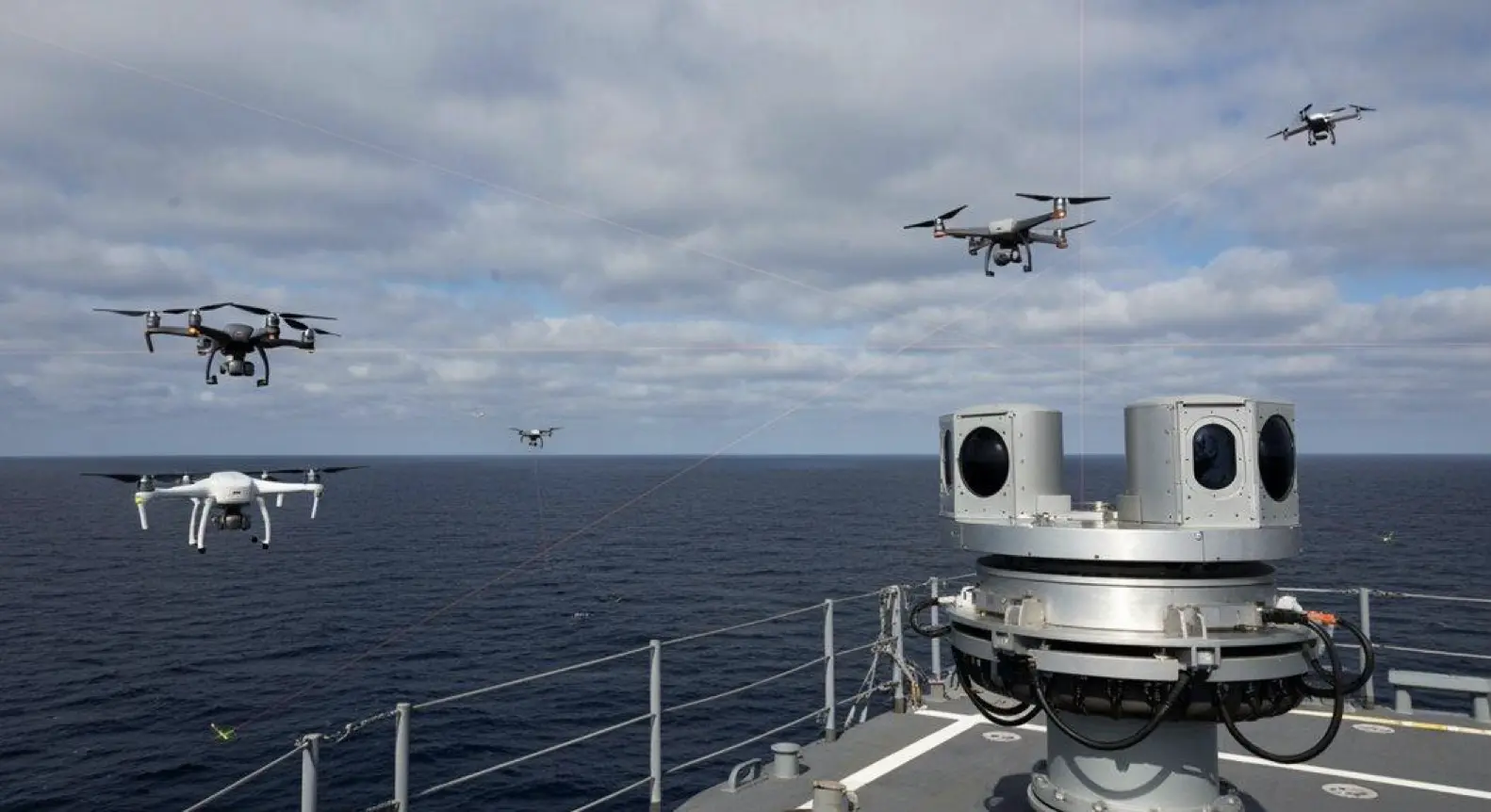
A single drone drifts over the perimeter. The system locks. It tracks. It neutralizes—clean, surgical, no drama whatsoever. But swarms? Entirely different beast.
Detection and tracking explode across multi-sensor coordination networks when you’re facing dozens of simultaneous threats instead of one predictable target; command-and-control architectures must juggle threat after threat after threat, prioritizing on the fly while modular sensor cards light up like a Christmas tree and cyber-over-RF technology scrambles to maintain coherence across the entire defensive envelope.
Autonomous target identification becomes orchestral—a symphony of algorithms deciding which drone dies first, which one can wait, which cluster demands immediate suppression before they breach the inner ring. Then the crash happens.
Pure chaos.
Consider the contrast: one lock, one kill versus a resource allocation nightmare that turns calm operators into sweating decision-makers who must prioritize, engage, and—let’s be honest—pray their redundancy layers hold.
Point defense works beautifully against individuals. Against swarms, though, you need fail-safes stacked on fail-safes. Surgical precision gives way to mass engagement protocols. The cyber takeover that worked so elegantly on a lone intruder? Now you’re splitting processing power across dozens of RF channels, hoping your integrated platform can scale response strategies fast enough to matter.
What happens when one system must handle both extremes?
Integrated platforms deploy those modular sensor cards precisely because swarms demand flexibility—add capacity, swap frequencies, expand coverage without rebuilding your entire defensive posture from scratch.
The technology exists. The architecture works. You just need systems designed from the ground up to flex between surgical and symphonic, between watching calmly and sweating bullets, between one threat and fifty.
Same platform, same operator, two entirely different wars. Modular is survival.
Interested in synthetic data for your project? AILiveSim 2.0 (our new version!) enhances AI-based simulation for multi-sensor autonomous systems - automating data generation, analysis, and augmentation to streamline model training and testing. Find out more: AILiveSim
Frequently Asked Questions
How Do Counter-Drone Systems Determine Friend-Or-Foe Without Human Intervention?
Counter-drone systems autonomously determine friend-or-foe through cryptographic optical authentication, RF signature analysis, and machine learning algorithms that cross-reference detected drones against authorized whitelists, achieving identification in under 200 milliseconds without requiring human operator intervention.
What Legal Standards Govern Autonomous Neutralization of Civilian Drones?
Only four federal agencies possess legal authority to neutralize civilian drones. Current standards require human oversight before autonomous systems can act, with 18 U.S.C. §32 criminalizing unauthorized drone destruction, carrying potential twenty-year imprisonment terms.
Can Quantum Radar Improve Micro-Drone Detection Under 250 Grams?
Quantum radar significantly improves micro-drone detection under 250 grams through entangled photon pairs and quantum illumination techniques. These systems achieve tenfold improved detection over classical radar in low signal-to-noise environments, effectively identifying faint echoes from small, low-reflectivity targets.
How Do Systems Predict Drone Intent Before Hostile Actions?
Like silent sentinels reading body language, AI algorithms analyze flight patterns, loitering behaviors, trajectory anomalies, and proximity deviations against threat databases. Machine learning models flag suspicious intent through behavioral scoring before drones commit hostile acts.
What Countermeasures Prevent Identification System Jamming or Spoofing?
Systems employ encrypted command signals, frequency-hopping protocols, multi-sensor fusion, and machine learning anomaly detection to prevent jamming or spoofing. Redundant sensor networks cross-verify data across RF, radar, and optical channels, ensuring authentic target identification despite electronic countermeasures.
Parting Shot
The ultimate irony? Humanity built machines that watch the sky 24/7 because, well, humans can’t. These counter-drone systems process a thousand signatures per second, track threats in roughly three seconds, and hit 95% accuracy—all without coffee breaks or bathroom stops. It’s military tech that’s supposed to protect people, yet it seems to operate best when people step aside. Autonomous systems defending against autonomous threats. Short sentences. Long ones that stretch out the absurdity of it all.
That said, maybe the future arrived and it doesn’t need us monitoring it anymore. Or maybe that’s just what happens when you chase efficiency hard enough—you engineer yourself out of the loop. Either way, machines watching machines has become the norm, and there’s something unsettling about how good they’ve gotten at it.
Resources
Explore Our Latest Insights
Stay informed with our expert articles and updates.
Article
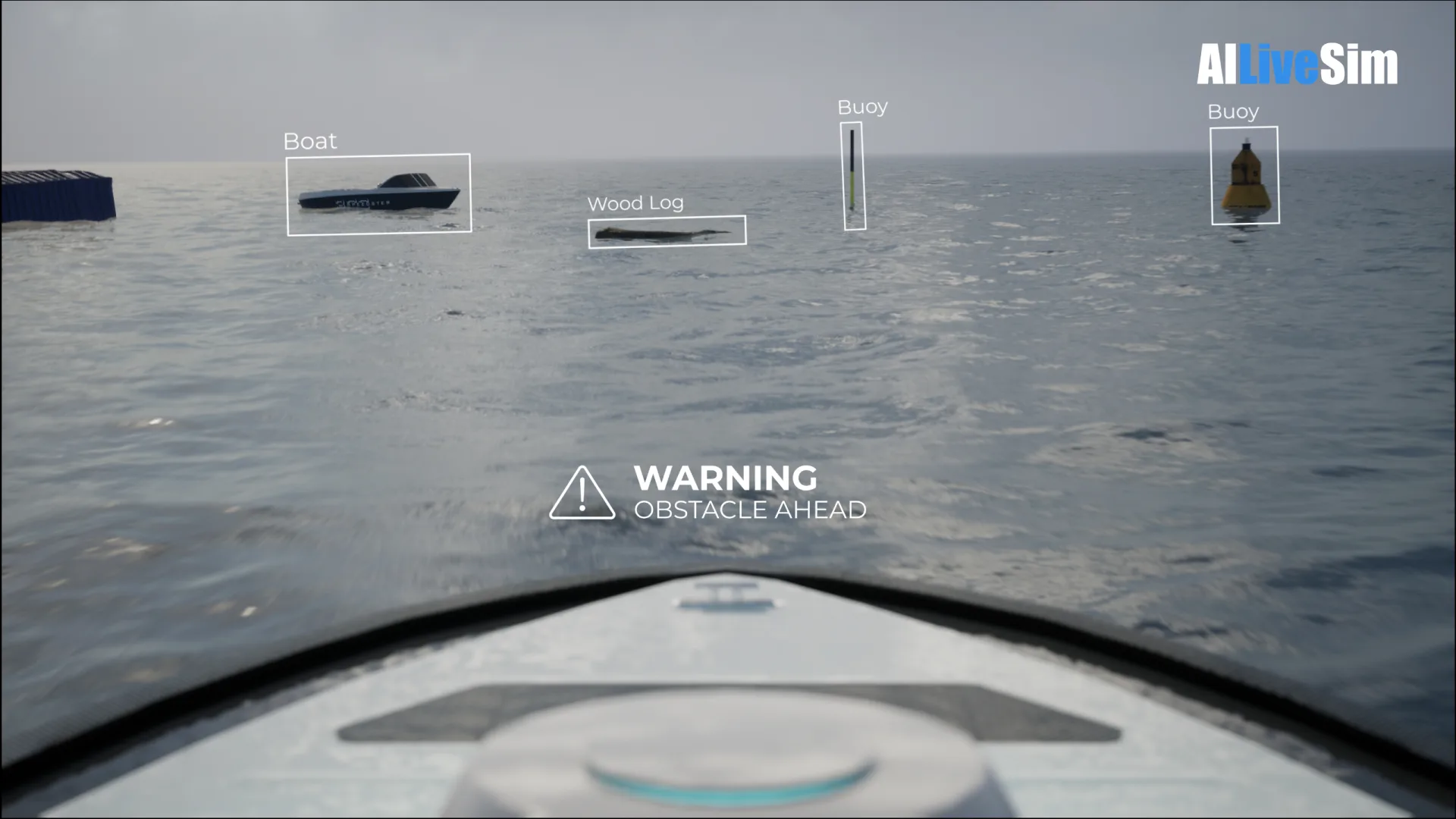
Have You Tested Enough? Intelligent System Testing and the Coverage Problem
Test volume measures effort, not proof. How Intelligent System Testing samples scenarios adaptively to map where an autonomous system works, where it fails, and which combination of conditions moves it from one to the other.

AILiveSim
August 22, 2026 • 4 min read
Article
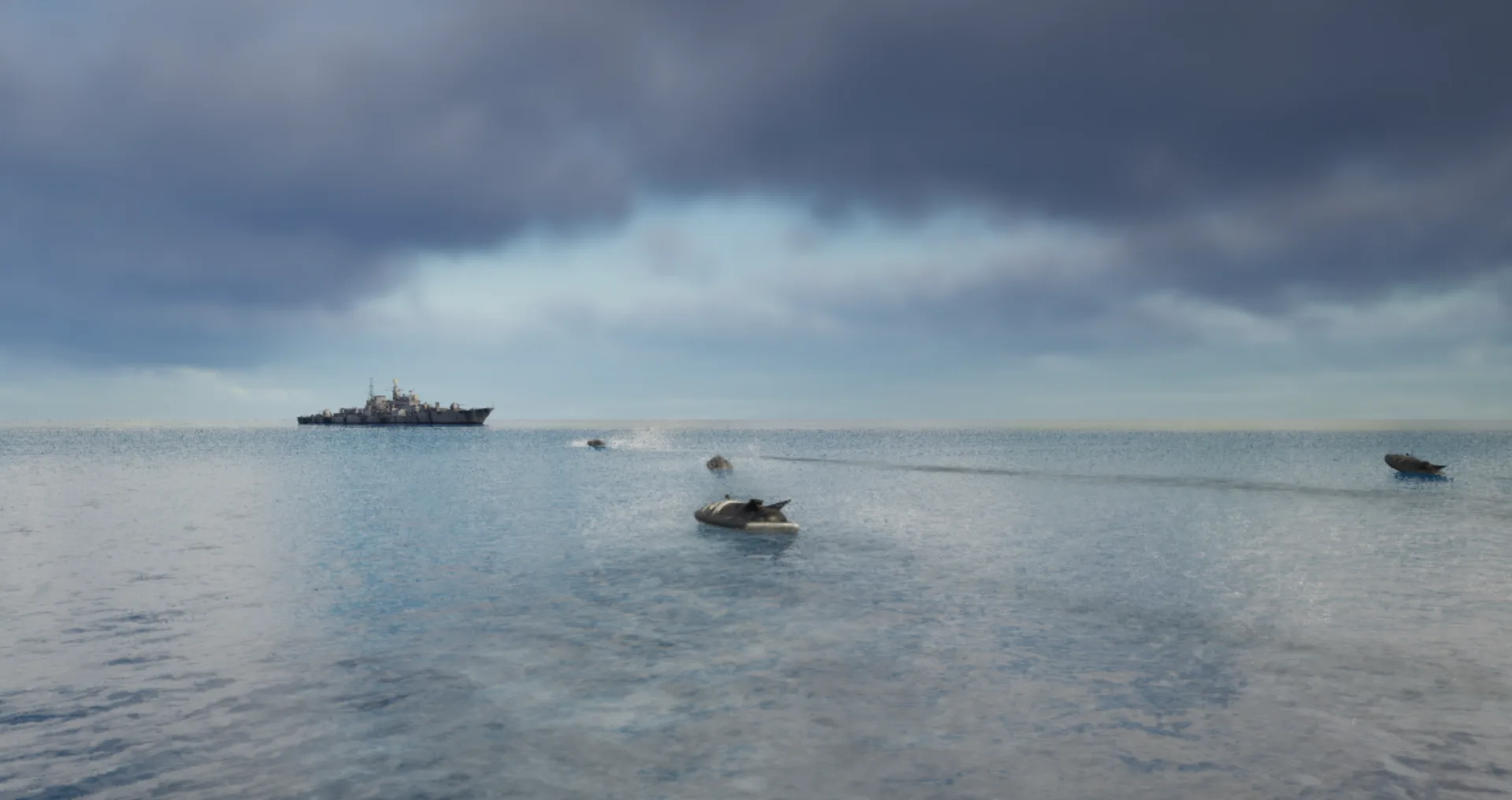
Swarm Defense Testing: Measuring Intercepts, Not Detections
Why no volume of captured data validates swarm defense: adversarial scenarios generated live around the system under test, scored as intercepts achieved versus hits on the protected vessel across repeatable, parameterizable waves.
AILiveSim
August 17, 2026 • 4 min read
Article
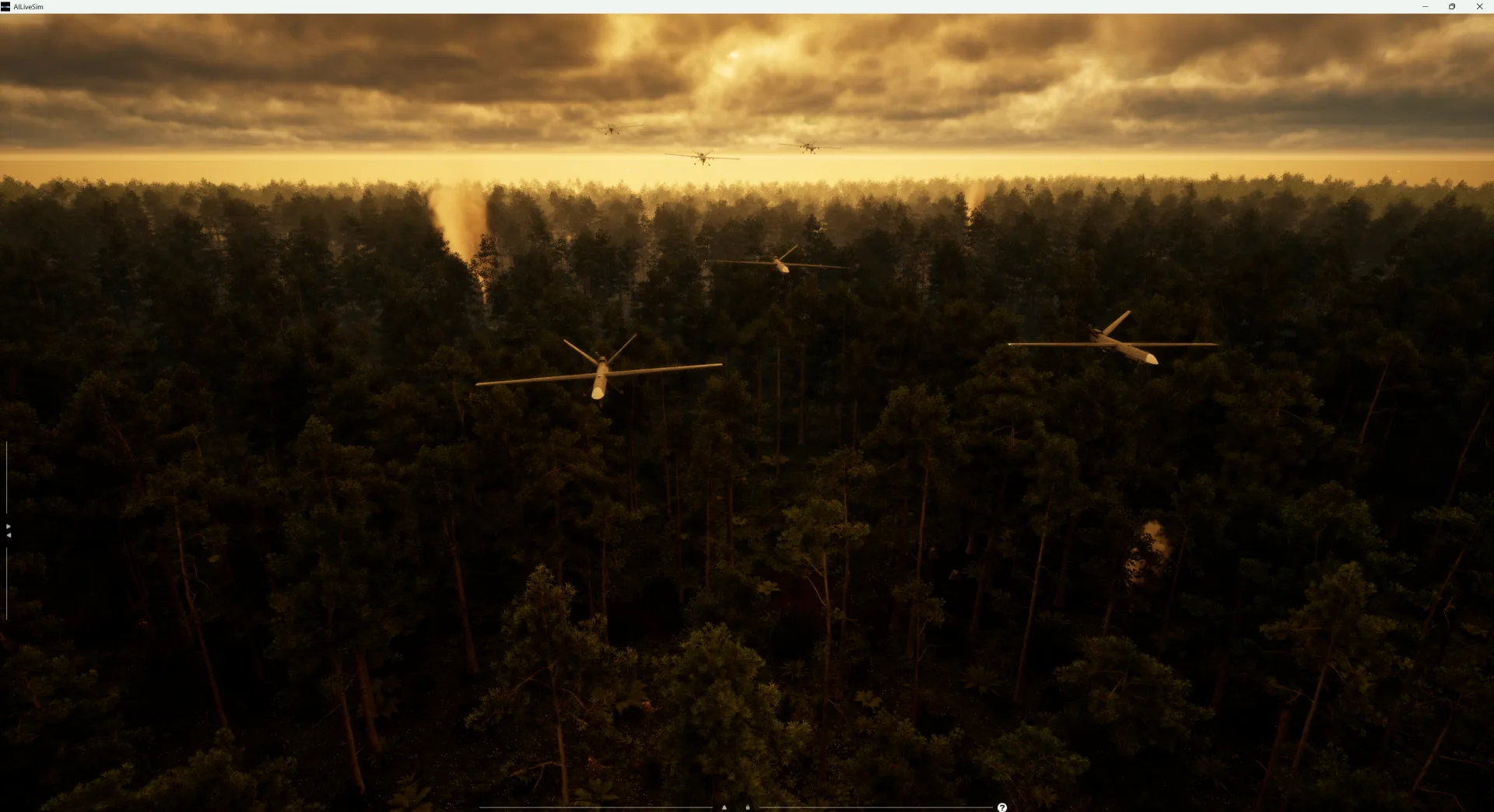
Counter-Drone Detection: Why Precision Fails Before Recall Does
Why counter-drone detection fails on precision before recall: negative-class coverage by sensor channel, and scoring threats neutralized alongside friendlies preserved on repeatable, configurable drone waves.
AILiveSim
August 13, 2026 • 4 min read

Article
What Has to Be Inside an Airport Digital Twin Before It Is Worth Anything
What an airport digital twin must contain before it is worth anything: rare surface conditions, four time-aligned sensors, automatic labelling, and procedural generation that extends to your airport.
AILiveSim
August 10, 2026 • 4 min read

Discover the benefits of synthetic data and simulation
By navigating on this site you agree that we use only minimal cookies required for this site to function. We do not monetize your data.