AI Live Sim

By clicking Subscribe you're confirming that you agree with our Terms and Conditions.
Collision Avoidance Algorithms: How AI Identifies Suspicious Maritime Activities
Key Points
ORCA Algorithms Detect Suspicious Vessel Coordination Patterns While Implementing Collision Avoidance Protocols
Velocity Obstacle Algorithms Identify Vessels Exhibiting Suspicious Collision Avoidance Violations In Maritime Zones
Artificial Potential Field Algorithms Recognize Suspicious Navigation Deviations During Maritime Collision Avoidance
Motion Planning Algorithms Detect Suspicious Maritime Trajectories While Executing Collision Avoidance Maneuvers
Multi-Agent Collision Avoidance Systems Identify Suspicious Vessel Behavior Through Social Force Model Analysis
Path Planning Algorithms Detect Suspicious Maritime Routing While Processing Collision Avoidance Sensor Data
AI Safety Algorithms Monitor Collision Avoidance Compliance To Automatically Detect Suspicious Maritime Activities
Did you know
Parting Shot
Article
Collision Avoidance Algorithms: How AI Identifies Suspicious Maritime Activities

September 5, 2025 • 12 min read


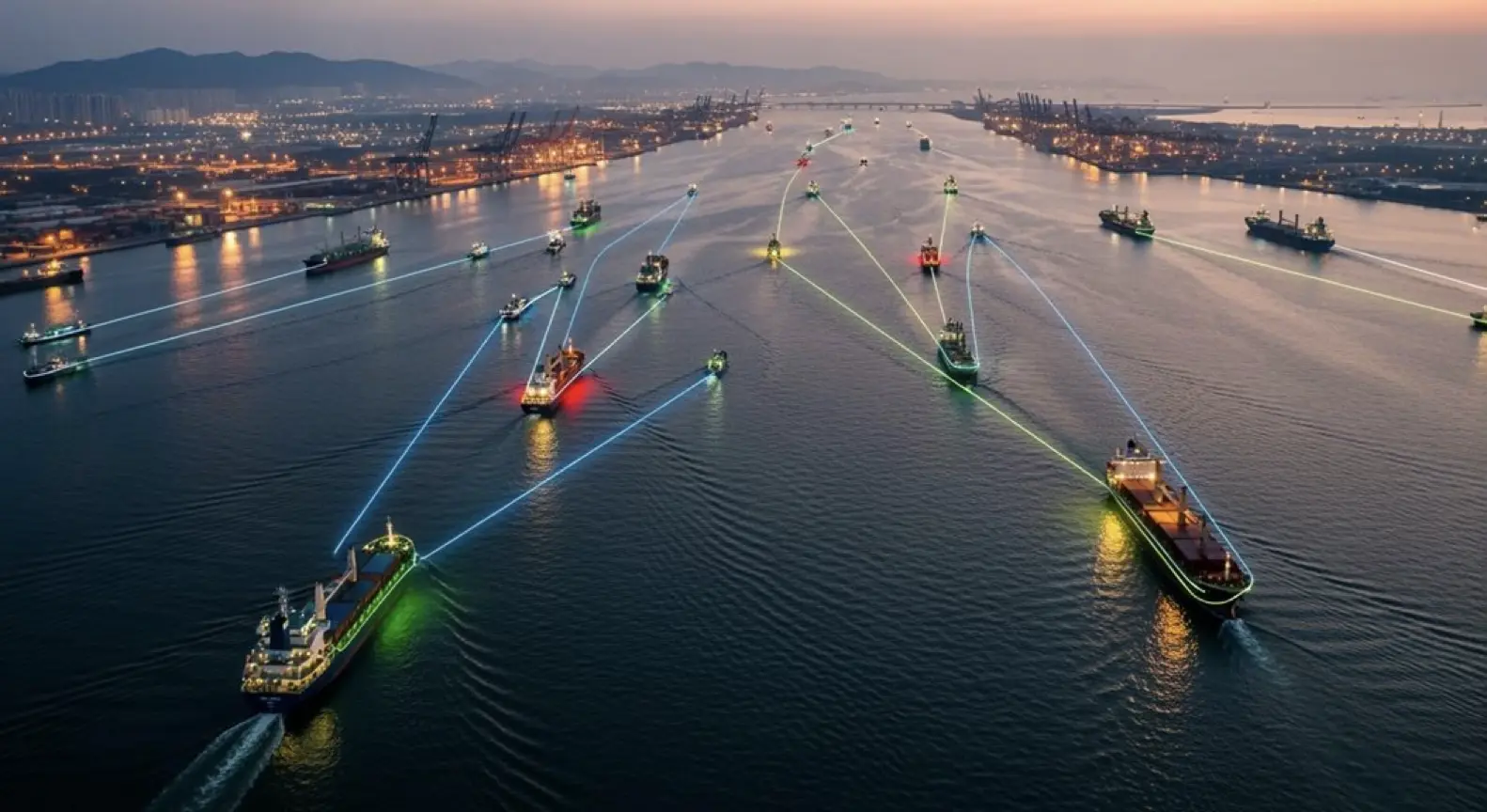
Maritime collision avoidance algorithms pull double duty—preventing crashes while hunting smugglers. These ORCA systems analyze vessel movements, flagging ships that zigzag suspiciously or shadow each other too closely. The tech achieved a 74% reduction in close encounters, but here’s the kicker: it also spots coordinated criminal behavior . AI tracks velocity obstacles, monitors collision zones, and catches vessels ignoring safety protocols. When ships act sketchy around virtual force fields, the system knows. The surveillance capabilities make privacy advocates nervous, naturally.
Key Points
- ● ORCA algorithms analyze vessel coordination patterns to detect suspicious synchronized movements while preventing collisions through velocity obstacle calculations
- ● AI systems flag anomalies like zigzagging, shadowing behavior, or vessels ignoring collision zones using multi-source data from radar, AIS, and cameras
- ● Machine learning models trained on historical smuggling patterns distinguish normal maritime maneuvering from coordinated illicit activities with human verification
- ● Real-time monitoring calculates collision-free velocity spaces and deviation scores, flagging vessels violating COLREGs rules or standard navigation patterns
- ● Algorithms achieved 74% reduction in close encounters while detecting suspicious activities through gradient analysis and social forces models
AILiveSim's expertise areas are in AI-powered maritime simulation and synthetic data generation for autonomous vessel systems, providing the realistic sensor fusion data and multi-vessel coordination scenarios essential for training collision avoidance algorithms and suspicious activity detection systems like those discussed in this article. AILiveSim aims to build trust in AI synthetic data through high-fidelity simulations that accurately replicate real-world maritime conditions, and is trusted by customers in defense and civilian sectors worldwide to accelerate the development and testing of robust autonomous navigation and maritime surveillance systems. Visit our website: AILiveSim.
ORCA Algorithms Detect Suspicious Vessel Coordination Patterns While Implementing Collision Avoidance Protocols
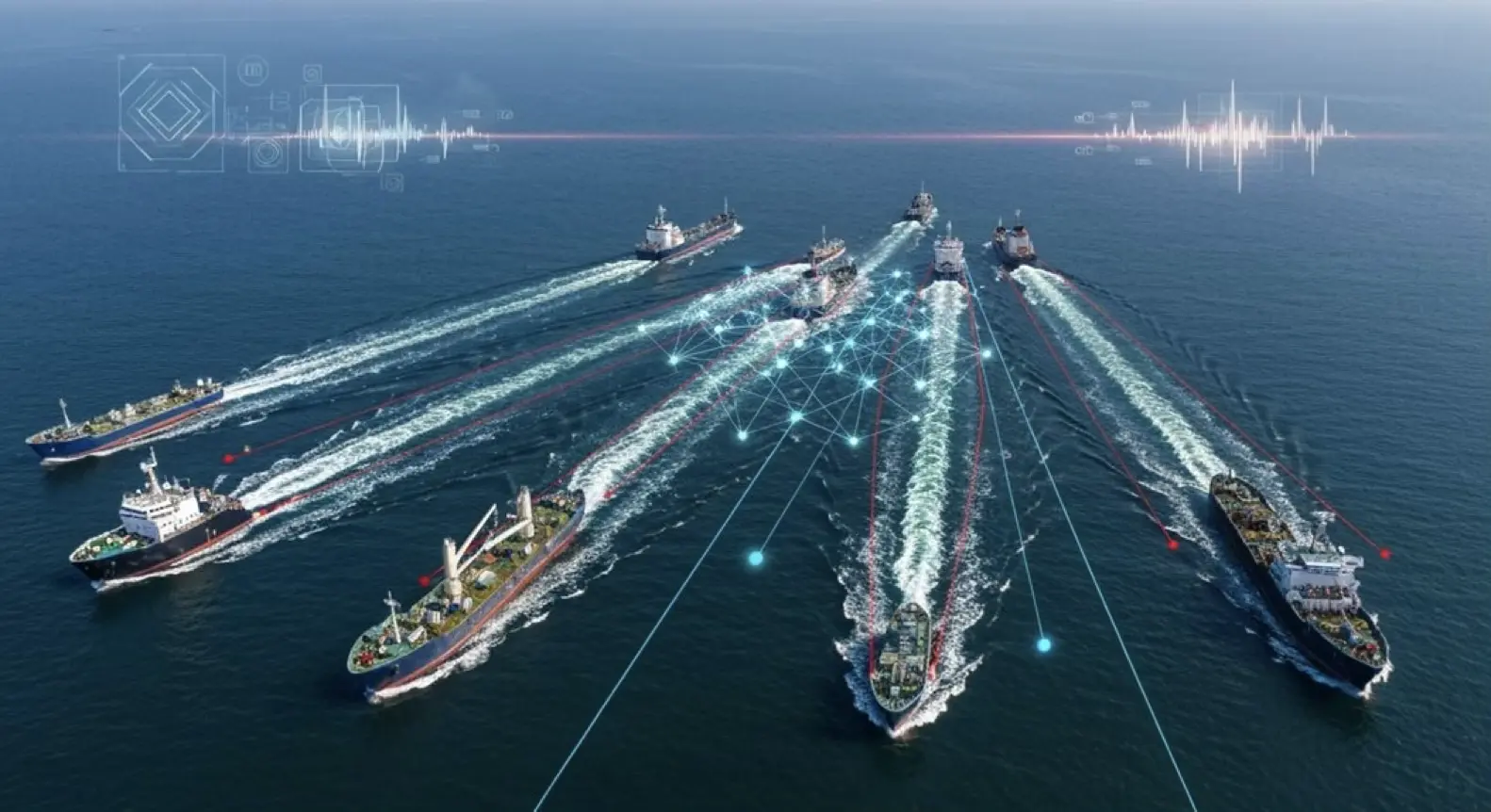
ORCA (Optimal Reciprocal Collision Avoidance) calculates safe velocities by assuming every vessel's trying not to die—which, when you think about it, is a pretty solid starting assumption. The math behind it? It's somewhat like MobileNet-SSD's real-time detection, but adapted for ships that can't just swerve out of the way. (Ref1)
Instead of panicking when you see that tanker bearing down on you, the algorithm feeds into EOnav systems for route planning. It crunches trajectories faster than your brain can process "oh crap, container ship ahead."
Modern ORCA algorithms pull double duty. Sure, they keep ships from smashing into each other—but they've also turned into maritime detectives, spotting when vessels start acting sketchy.
Two things make collision avoidance tricky in maritime settings: boats don't have brakes, and by the time you spot trouble with your naked eye, you're probably already in it. That's where ORCA algorithms come in.
Think of them as the maritime version of what you'd see in those Jetson Nano collision systems. Except here's the thing—boats need way more planning time. You can't just yank the wheel and expect a container ship to pivot like a Honda Civic.
Now here's what might surprise you: ORCA doesn't need expensive hardware. Just decent sensors and math that'd make your high school teacher proud.
What's clever is that it's the exact same mathematical framework doing both jobs. The collision-avoidance math that keeps everyone safe also happens to catch vessels doing their weird synchronized swimming routines. These AI systems process real-time data from multiple sources, analyzing vessel trajectories, speed, and proximity to identify both collision risks and abnormal behavioral patterns. The underlying approach uses linear programming to determine optimal actions for each vessel, creating a computational baseline for what normal avoidance behavior should look like.
Could be they're trying to avoid detection. Or maybe—and this seems just as likely—they're simply terrible at following standard maritime procedures. Hard to say without more context.
The patterns these systems flag might indicate smuggling operations, or they could just reveal confused captains who missed the memo about proper shipping lanes. The technology has already demonstrated significant results, achieving a 74% reduction in close encounter events across vessels using advanced detection systems.
That said, when multiple vessels start moving in ways that don't quite add up, there's usually something worth investigating.
ORCA Algorithms Analyze Multi-Vessel Coordination Data To Identify Anomalous Behavioral Patterns Indicating Suspicious Maritime Activities
When vessels start moving in synchronized patterns that don't make sense, ORCA algorithms catch it fast.
But here's the thing – these collision avoidance systems aren't just watching for crashes anymore. They're spotting sketchy behavior too.
The tech combines data fusion from radar, cameras, and AIS feeds. Multiple inputs tracking Course over Ground, Speed over Ground, and Time to Closest Point of Approach. Normal ships don't zigzag together. They don't shadow each other for miles.
Yet that's exactly what the anomaly detection keeps flagging – vessels doing precisely these things, often in waters where it seems unusual.
What makes this work is how the autonomous navigation protocols benchmark everything against standard shipping lanes. Ship-to-ship transfers happening, say, 200 miles from the nearest port? That gets flagged.
Two container ships meeting at 3 AM in international waters when neither appears on scheduled routes? The system catches it. Mind you, the AI's been trained on historical smuggling patterns – it's learning how criminals might coordinate at sea, though the patterns aren't always clear-cut. The platform's deep learning algorithms analyze vessel behaviors against the world's largest collision risk database, making suspicious coordination patterns stand out even more clearly. These AI models process nautical data recordings from thousands of real-world encounters, including critical parameters like CPA and TCPA that help distinguish normal maneuvering from suspicious coordination.
Human captains still verify the suspicious stuff. Good thing, too. Because sometimes what looks like smuggling might just be weather avoidance, or crews helping each other out. Modern systems now incorporate weather forecasts to better distinguish between genuine evasive maneuvers and potentially illicit coordination patterns. Algorithms need reality checks, especially when maritime traditions don’t always follow predictable logic.
ORCA Algorithms Execute Real-Time Collision Avoidance Protocols While Monitoring Vessel Compliance With Standard Maritime Coordination Procedures
ORCA algorithms scan the ocean constantly, calculating collision-free velocity spaces while watching for vessels that don't follow the rules.
Sensor fusion combines thermal cameras, radar, and computer vision—tracking everything that moves on the water. Think of it as a paranoid security guard who never sleeps, except this one actually catches things.
The real-time processing? Lightning quick. The AI checks whether ships follow COLREGs, maintain proper speed, respect right-of-way rules. When someone breaks protocol, ORCA knows.
But here's where it gets interesting—the platform flags behavior patterns that seem off. Vessels clustering without apparent reason. Boats making course changes that don't quite add up. Ships getting unusually close to each other when they probably shouldn't. The system addresses challenges from AIS spoofing and dark fleet activities that complicate standard navigation protocols.
What's clever is how ORCA pulls double duty: preventing collisions while simultaneously monitoring for sketchy maritime navigation patterns. Two jobs, one algorithm. The system delivers 27% fewer close encounter events according to real-world fleet data. The distributed nature of ORCA enables multi-agent coordination without requiring direct communication between vessels, making it resilient against communication failures or intentional signal jamming.
That said, the system's not just some startup's fever dream—it achieved Product Design Assessment certification from the American Bureau of Shipping. That's legit validation, not marketing fluff.
Velocity Obstacle Algorithms Identify Vessels Exhibiting Suspicious Collision Avoidance Violations In Maritime Zones
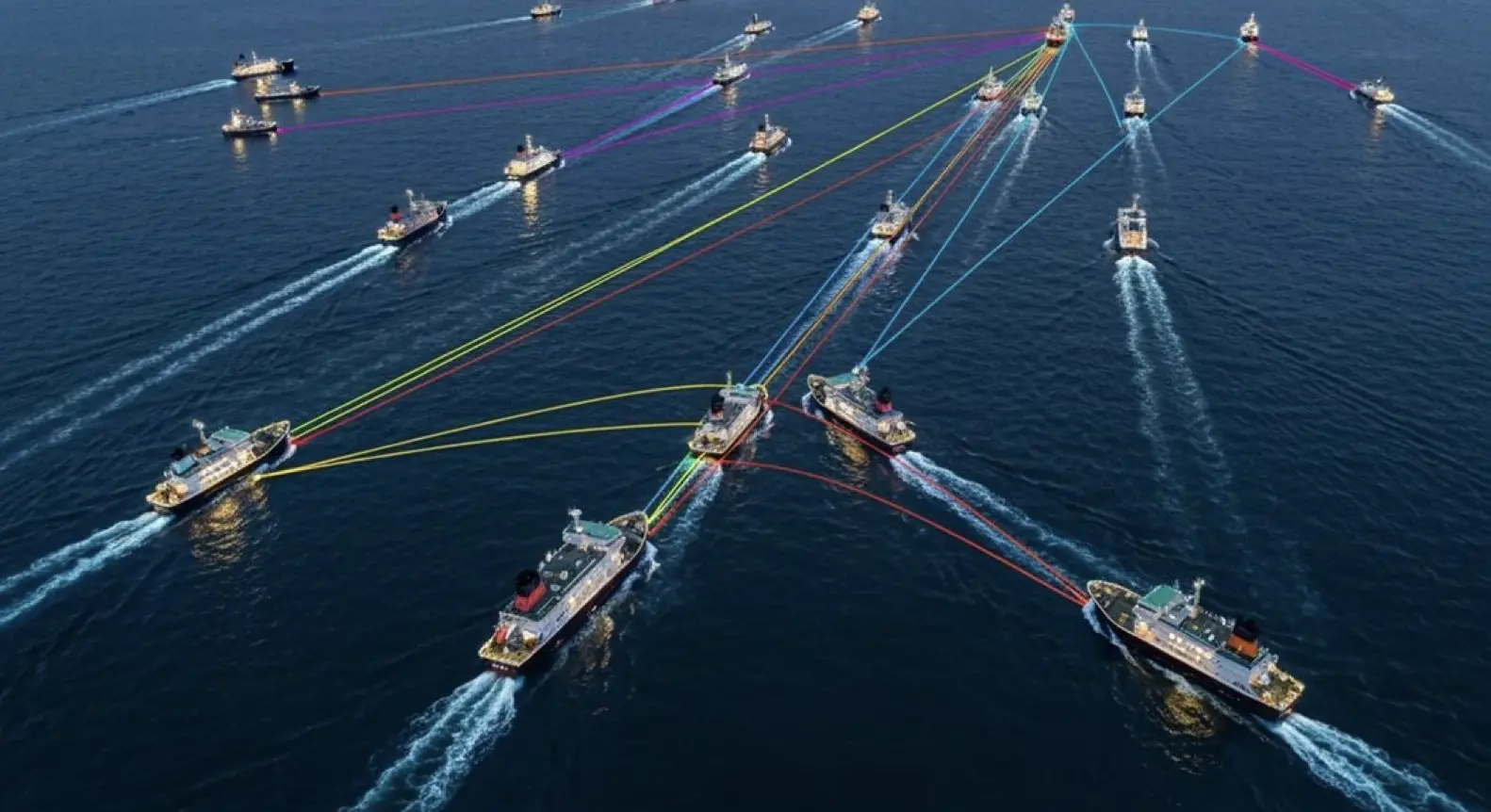
Ships that break the rules stick out like sore thumbs to velocity obstacle algorithms. These systems catch maritime violations faster than a harbor patrol on caffeine.
The velocity obstacle method essentially creates virtual collision zones around each ship. It tracks every vessel’s trajectory, watching for trouble. When a ship barrels through these danger areas without adjusting course—something that might suggest either mechanical failure or deliberate intent—the collision risk index spikes. Bang—suspicious behavior flagged.
What makes these algorithms maritime security’s new best friend? A few things, actually:
- Real-time processing catches violations as they happen, not hours later when it’s too late to matter.
- COLREGs compliance monitoring spots vessels that appear to be ignoring international collision rules—whether through negligence or something more deliberate.
- Dynamic risk thresholds adapt to weather, traffic density, and vessel types (a tanker needs more room than a speedboat).
- Multi-vessel tracking handles crowded shipping lanes without breaking a sweat.
That said, real-time systems don’t sleep. They’re constantly watching, calculating risk scores, flagging anomalies. The GVO algorithm specifically addresses variable velocity scenarios where ships change speed unexpectedly, making it more reliable for detecting erratic maritime behavior.
Real-time systems never sleep—they’re constantly watching maritime traffic, calculating risk scores, and flagging anomalies around the clock.
Picture this: a cargo vessel maintains course while another ship crosses its path, collision imminent. The captain doesn’t budge. Could be incompetence, sure. Or it might be something worse—smugglers counting on confusion, pirates testing responses. The system evaluates critical parameters like DCPA and TCPA to determine if the vessel’s behavior falls outside normal risk thresholds. Advanced systems now integrate PID controllers to automatically execute avoidance maneuvers when human operators fail to respond appropriately.
Even so, these algorithms can’t read minds. They flag the behavior, but human operators still need to determine whether it’s malice or just poor seamanship.
Artificial Potential Field Algorithms Recognize Suspicious Navigation Deviations During Maritime Collision Avoidance
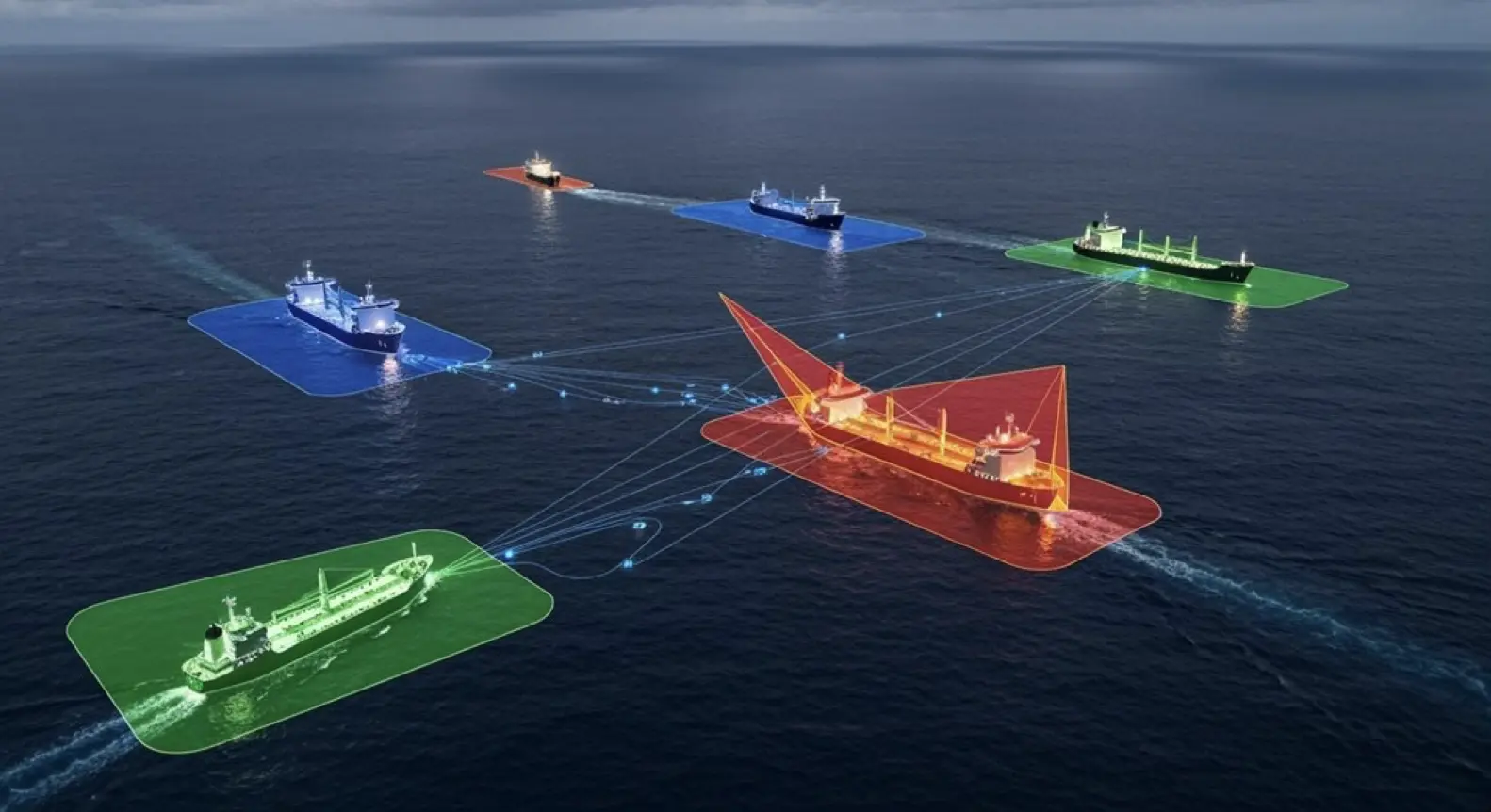
Ships acting weird at sea? They get caught red-handed by artificial potential field algorithms. Think of it like turning collision avoidance into a game of magnetic forces—vessels naturally repel each other while getting pulled toward their destinations.
But here’s where it gets interesting. When a ship starts ignoring these invisible force fields, the system notices. Maybe it’s zigzagging when it should go straight. Or plowing ahead when any sensible captain would veer away. The algorithm flags this stuff faster than you can say “maritime smuggler.”
Now, these modified APF systems aren’t just crash-prevention tools anymore. They’ve become snitches, essentially, spotting vessels that pull sketchy maneuvers violating COLREGS rules. The numbers suggest they’re pretty effective too—achieving up to 71.8% better path smoothing.
Motion Planning Algorithms Detect Suspicious Maritime Trajectories While Executing Collision Avoidance Maneuvers
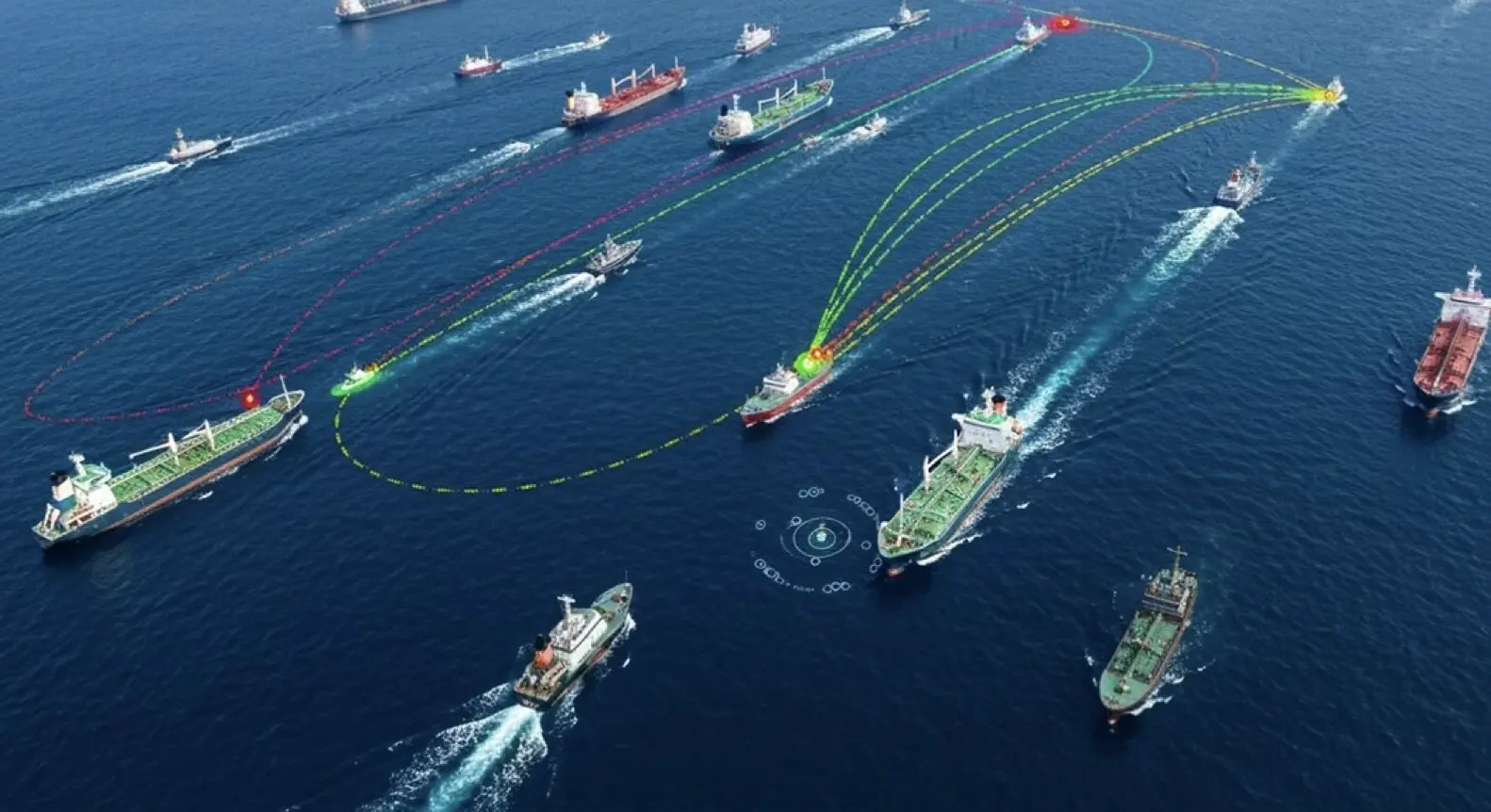
Vigilance takes on new meaning when algorithms start spotting the maritime equivalent of someone taking a suspicious detour through three backyards to avoid the front door.
It’s not just about dodging collisions anymore. Modern motion planning systems have become tattletales, flagging ships that seem to be following safety protocols while actually doing something sketchy.
How do these algorithms catch vessels red-handed? Several ways, actually:
- Velocity obstacles analysis picks up on those abrupt speed changes that practically scream “nothing to see here.”
- Social forces models can expose what looks like coordinated group maneuvers—the kind smuggling operations might use.
- Probabilistic roadmap method comparisons reveal when actual paths stray suspiciously from planned routes.
- Optimal reciprocal collision avoidance spots ships that appear to be intentionally creating blind spots.
The tech’s gotten scary good—though “scary” might depend on which side of the law you’re on.
That 71.8% improvement in path smoothing? It means fewer false alarms, sure, but it also suggests ships can’t just flip off their AIS and vanish into the night anymore.
The algorithms notice the gaps. They see the patterns.
Multi-Agent Collision Avoidance Systems Identify Suspicious Vessel Behavior Through Social Force Model Analysis
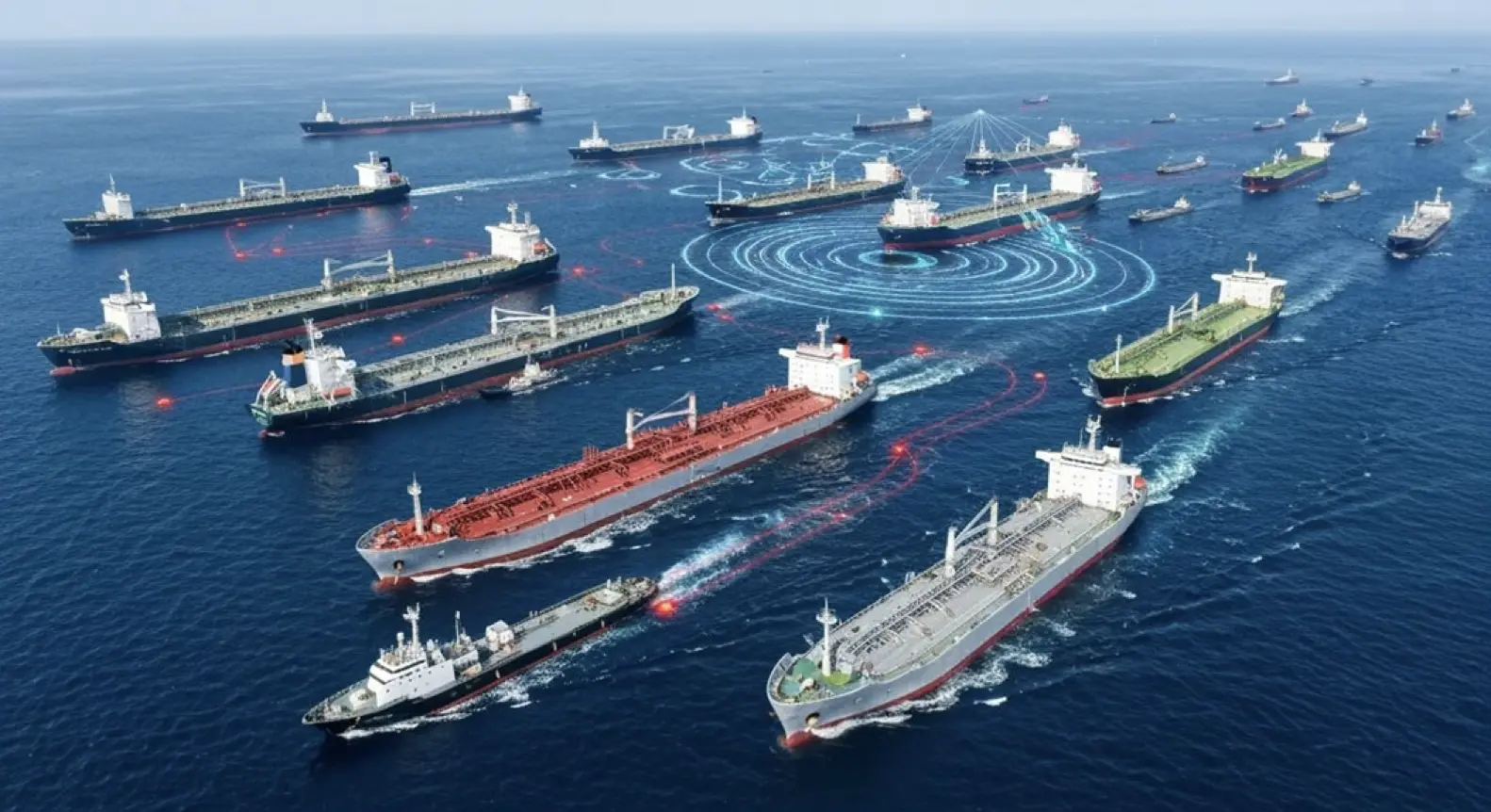
When ships start acting like middle schoolers trying to pass notes in class without getting caught, the social force models notice. Makes sense, right? These multi-agent systems basically treat vessels like magnets – they naturally repel each other to avoid crashes. But here’s where it gets interesting: when boats break these invisible rules, the anomaly detection goes nuts.
| Behavior Type | Force Pattern | Suspicion Level |
|---|---|---|
| Normal Avoidance | Gradual repulsion | Low |
| Sudden Deviation | Sharp vector change | Medium |
| Group Swarming | Converging forces | High |
| COLREGS Violation | Ignored protocols | Critical |
The collision risk metrics? They don’t lie. When ships maintain weirdly high risk scores for no apparent reason, that’s probably suspicious. Take vessels clustering when they should scatter – massive red flag. Or consider a cargo ship that suddenly veers off its predictable route while three others converge on the same point. The algorithms track these social dynamics constantly. They’re pretty good at catching bad actors who think they’re slick. Spoiler: they’re usually not.
Path Planning Algorithms Detect Suspicious Maritime Routing While Processing Collision Avoidance Sensor Data
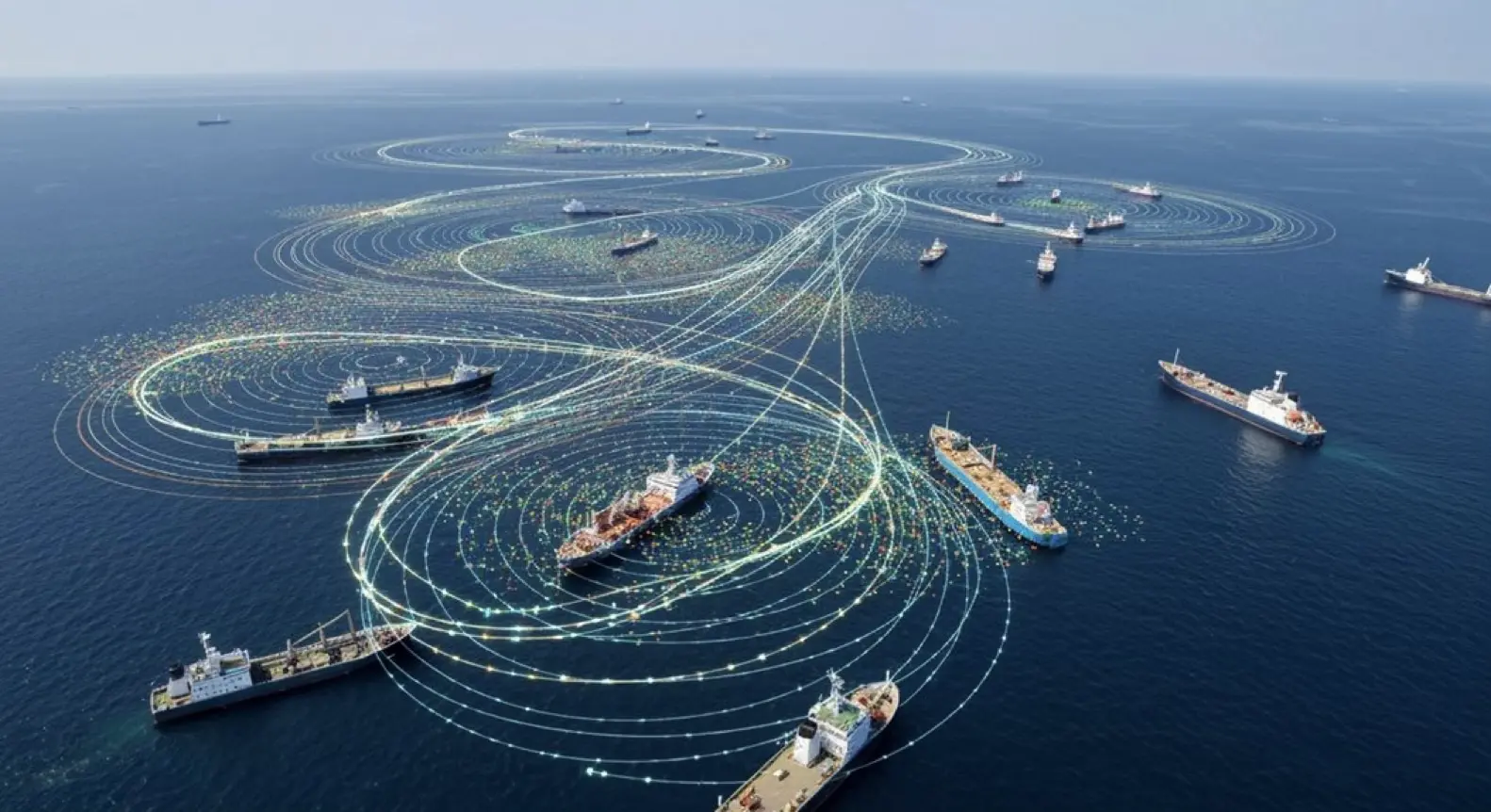
Path planning algorithms catch boats doing sketchy stuff all the time. When these systems run collision risk assessment, they’re simultaneously processing real-time sensor data fusion from radar, lidar, and AIS feeds.
The thing is, when a vessel starts zigzagging for no apparent reason, the algorithms tend to notice pretty quickly.
Here’s what typically makes suspicious routing stick out:
- Weird deviations from the optimized routes that motion planning software has already calculated
- Repeated unnecessary path changes in congested waters—places where most ships would normally stay steady
- COLREGS violations—basically ignoring maritime traffic rules like some aquatic rebel
- High-risk corridor traversal without what appears to be legitimate cause or proper clearance
What we’re looking at here is essentially pattern recognition on steroids—these systems process velocity, heading, and position data all at once.
Though it’s worth noting that not every deviation signals malicious intent; sometimes weather or mechanical issues might explain the odd behavior. Even so, the algorithms seem to be getting better at distinguishing between genuine emergencies and potentially suspicious activity.
AI Safety Algorithms Monitor Collision Avoidance Compliance To Automatically Detect Suspicious Maritime Activities
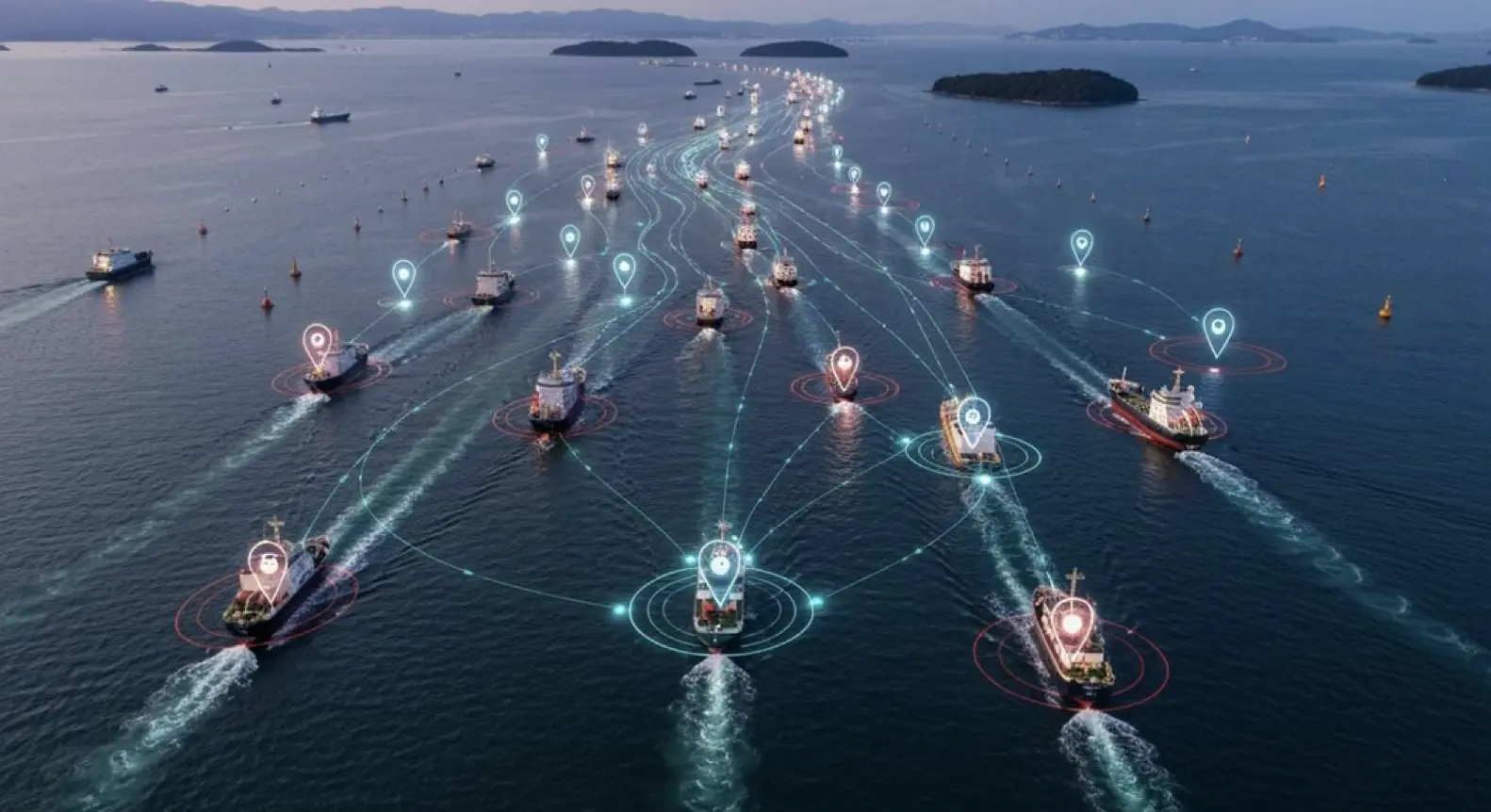
Anomaly detection algorithms establish baseline behavior patterns—and if you deviate? You're flagged. Simple as that.
The sensor integration feels borderline obsessive. Radar, AIS, GPS, cameras, sonar—they're all working together, creating what amounts to 360-degree surveillance.
Even boats trying to ghost without their AIS transponders on? Yeah, the system tends to catch those too. It's comprehensive in a way that might make privacy advocates uncomfortable.
When something seems off, automated alerts fire immediately. No human fatigue to worry about, no missed detections because someone was checking their phone. Just cold, efficient monitoring that's pretty good at separating routine navigation from the stuff that raises eyebrows.
Moving from those half-baked ORCA implementations to actual AI safety monitoring? It's like upgrading from a tricycle to something with actual sensors.
LiDAR shoots lasers everywhere while cameras catch those orange traffic cones with reflective poles. And here's the thing—they actually talk to each other. The fusion system crunches data from both sensors at once. LiDAR handles the guiding light locations; meanwhile, the camera's boxing up objects and spitting out confidence scores.
Now, Mississippi State's CAVS tested this stuff, and it appears to work pretty well. The system runs on an NVIDIA Jetson TX2, which—get this—pushes past 95% CPU utilization just trying to keep up. They're hitting that 5 Hz detection frequency for real-time processing, though you have to wonder if that's quite fast enough for every scenario. No fancy algorithms either. Just linear SVM because, honestly, complex methods would probably melt the processor. (Ref2)
That said, it's brutal, efficient collision avoidance that seems to get the job done.
Multi-object Detection / Tracking For Collision Avoidance
While traditional collision avoidance systems demand expensive sensors and complex computer vision pipelines that experts spend months fine-tuning, researchers seem to have cracked a simpler approach – just slap a camera on your dashboard and let a neural network do the heavy lifting.
You're looking at lightweight detectors like YOLO and SSD MultiBox. They'll spot cars, buses, and pedestrians while estimating how far they're – no fancy radar needed. The system captures video, identifies objects, calculates distances, then flashes a warning when something's too close. Simple enough.
As a side point, AILiveSim’s Automated Training Pipeline (ATP) significantly speeds the process of sensor data from simulated data, for instance, using a Singaporean Maritime Dataset. Contact us for a demo about this.
Interested in synthetic data for your project? AILiveSim 2.0 (our new version!) enhances AI-based simulation for multi-sensor autonomous systems - automating data generation, analysis, and augmentation to streamline model training and testing. Find out more: AILiveSim
Did you know
How Do Collision Avoidance Algorithms Differentiate Between Fishing Vessels and Cargo Ships?
Collision avoidance algorithms differentiate vessels by analyzing AIS data patterns - cargo ships maintain steady speeds on predictable routes while fishing vessels show erratic movements like zigzagging, sudden stops, and looping. These distinct trajectory signatures help algorithms classify vessel types, though temporary similarities can occur in ports or during transit.
What Happens When AI Systems Detect Suspicious Activities in International Waters?
Over 80% of maritime crimes occur beyond territorial waters, making these areas extremely vulnerable. When AI systems detect suspicious activities, multiple agencies receive instant alerts, patrol vessels deploy, and drones launch for surveillance. However, legal challenges remain significant:
• UNCLOS jurisdiction frameworks
• International cooperation required
• Varied prosecution effectiveness
• Diplomatic relationship dependencies
The technology provides unprecedented real-time evidence gathering in previously unmonitorable waters. While AI detection capabilities are advancing rapidly, successful prosecutions still depend heavily on international diplomatic cooperation and varying legal frameworks between nations.
Answer the question and respond in two sentences, maximum 300 characters
Can Collision Avoidance Algorithms Function Effectively During Severe Weather Conditions?
Collision avoidance algorithms can function during severe weather but with reduced effectiveness due to sensor interference from rain, fog, and rough seas. These conditions require increased human oversight as the systems approach their operational limits.
How Much Computational Power Is Required to Run Maritime AI Detection Systems?
Maritime AI detection systems require high-end GPUs with 8-16GB VRAM and multi-core processors to handle 30+ simultaneous video streams with sub-3-millisecond inference speeds. The systems must process terabytes daily while balancing power consumption and heat management constraints on vessels.
Do Collision Avoidance Algorithms Integrate With Existing Port Security Infrastructure?
Collision avoidance algorithms can integrate with existing port security infrastructure using standardized protocols like NMEA and AIS. These systems enable real-time data fusion between radar networks, traffic management systems, and surveillance platforms without replacing existing hardware.
Parting Shot
The ocean’s getting crowded. Really crowded. Picture this: 100,000 ships slice through international waters every single day, their wakes crisscrossing like signatures on a vast blue contract. Someone’s gotta watch for the bad guys. Someone’s gotta spot the predators swimming among legitimate cargo haulers. Someone’s gotta stay alert when human eyes grow heavy.
Enter AI—silent, tireless, scanning.
These algorithms don’t sleep; they don’t blink; they don’t miss a beat. While you rest, while captains navigate by starlight, while crews change shifts in the pre-dawn darkness, artificial intelligence maintains its ceaseless vigil across millions of nautical miles. Can you imagine processing that much data every second? Through fog and storm, through satellite feeds and radar pings, the machines track patterns that would make your head spin: that weird speed change at 0300 hours, that suspicious midnight rendezvous fifty miles from shipping lanes, that vessel pretending to avoid collision while actually coordinating something darker.
Consider what this means for you, for global commerce, for the thin line between order and chaos on our seas. Behind every safe passage, behind every intercepted threat, behind every averted disaster lurks this digital guardian: invisible, invaluable, inexhaustible.
Resources
Explore Our Latest Insights
Stay informed with our expert articles and updates.
Article
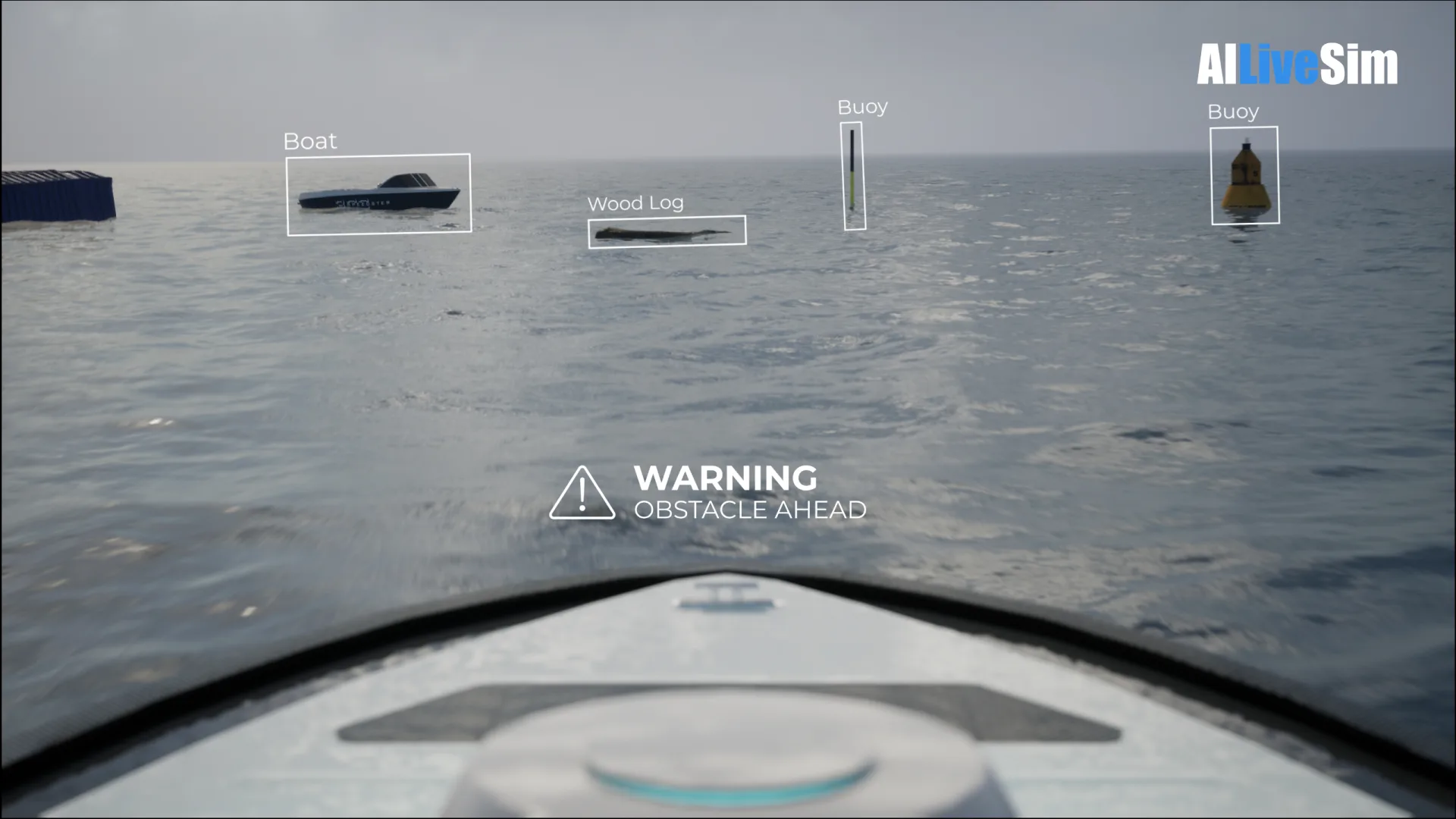
Have You Tested Enough? Intelligent System Testing and the Coverage Problem
Test volume measures effort, not proof. How Intelligent System Testing samples scenarios adaptively to map where an autonomous system works, where it fails, and which combination of conditions moves it from one to the other.

AILiveSim
August 22, 2026 • 4 min read
Article
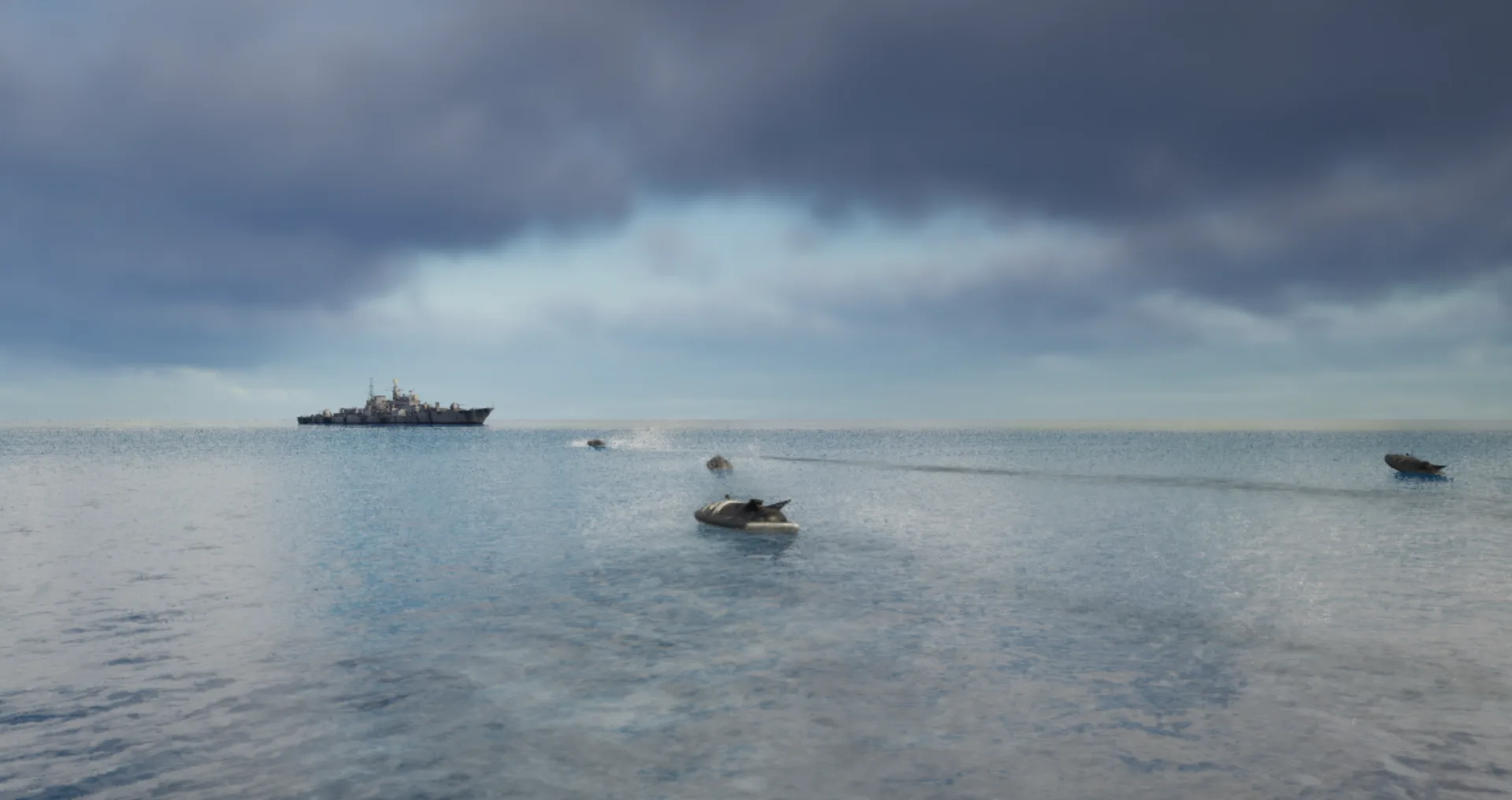
Swarm Defense Testing: Measuring Intercepts, Not Detections
Why no volume of captured data validates swarm defense: adversarial scenarios generated live around the system under test, scored as intercepts achieved versus hits on the protected vessel across repeatable, parameterizable waves.
AILiveSim
August 17, 2026 • 4 min read

Article
Counter-Drone Detection: Why Precision Fails Before Recall Does
Why counter-drone detection fails on precision before recall: negative-class coverage by sensor channel, and scoring threats neutralized alongside friendlies preserved on repeatable, configurable drone waves.
AILiveSim
August 13, 2026 • 4 min read

Article
What Has to Be Inside an Airport Digital Twin Before It Is Worth Anything
What an airport digital twin must contain before it is worth anything: rare surface conditions, four time-aligned sensors, automatic labelling, and procedural generation that extends to your airport.
AILiveSim
August 10, 2026 • 4 min read

Discover the benefits of synthetic data and simulation
By navigating on this site you agree that we use only minimal cookies required for this site to function. We do not monetize your data.