AI Live Sim

By clicking Subscribe you're confirming that you agree with our Terms and Conditions.
Generative AI Meets Physics-Based Simulation: Retraining Detection Models Before New Real Data Exists
A New Way to Pair Generative AI with Physics-Based Simulation
Why a Changing Operating Domain Breaks Your Detection Data
Why Physics-Based Simulation Keeps Synthetic Sensor Data Trustworthy
From Reference Image to Simulated Sensor Data in About 30 Minutes
Retraining Detection Models on Well-Rounded Synthetic Datasets
Why Response Time Decides the Advantage
Conclusion
Article
Generative AI Meets Physics-Based Simulation: Retraining Detection Models Before New Real Data Exists

August 4, 2026 • 5 min read


The conditions an autonomous system trains for rarely sit still. On an active front line, a vehicle can change how it looks within days as crews find new ways to avoid being spotted.
The moment that happens, the data behind a detection model starts to go stale, and collecting fresh real-world examples takes time nobody has. AILiveSim has been developing a way around that: use generative AI to build the new object, then let physics-based simulation produce the sensor data needed to retrain.
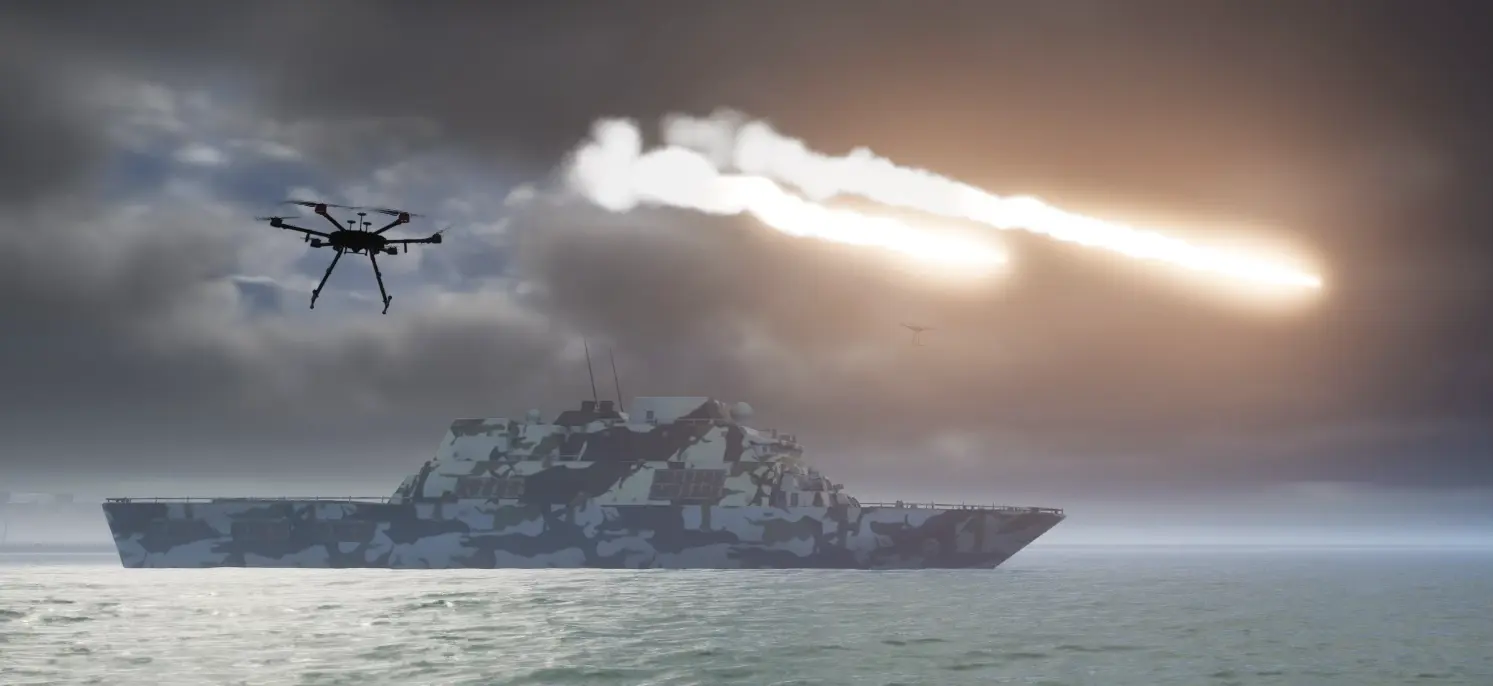
Retraining detection models on synthetic sensor data
A New Way to Pair Generative AI with Physics-Based Simulation
This is less a new feature than a new way to use what the platform already does. Generative AI produces a 3D asset, that asset goes into the simulator, and the simulator generates sensor data from it the same way it would for any other object.
The AI does the part it does well, which is turning a scrap of input into a plausible model fast. The simulator does the rest. It builds on an existing workflow rather than replacing one, and that split between the two technologies is the point.
Why a Changing Operating Domain Breaks Your Detection Data
The reason this matters comes straight from the field. In Ukraine, crews now cover vehicles with cages and nets, alter their silhouettes, and throw coverings over aircraft, all to confuse the drones and automated detection watching from above. That creates a chain of problems for a trained detection model:
- Every new trick produces an object the detection model has never seen.
- Years of carefully collected camera data lose much of their worth the moment the target stops looking the way it used to.
- Gathering enough fresh images of the new variant, then labeling them, is slow work.
- By the time that dataset is ready, the trick has often changed again.
Why Physics-Based Simulation Keeps Synthetic Sensor Data Trustworthy
You could skip the simulator and have a generative model spit out the sensor data directly.
That is the shortcut to avoid. When AI invents the data, you have little control over what comes back and little reason to trust it. Physics-based simulation is different: it stays grounded in reality, and the user sets the conditions.
So the generative step stays in its lane, building the 3D model, while the data that trains the algorithm comes from an environment you can control and defend. That is what makes the output something an engineer can put their name to.
From Reference Image to Simulated Sensor Data in About 30 Minutes
The workflow does not care much where the model comes from. Have 3D modelers on staff? They can take an existing vehicle model, modify it, and import it. No in-house modelers?
A generative AI tool can build one from a single reference photo, or even a written description. Either route ends the same way: the asset drops into the simulator and starts producing sensor data in three dimensions. In one proof of concept, a single reference image of a camouflaged tank turned into a working object inside the simulator in about 30 minutes. No data-collection campaign required first.
Retraining Detection Models on Well-Rounded Synthetic Datasets
Once the object lives in the simulator, the payoff grows in a few concrete ways:
- You are no longer stuck with the few angles a drone happened to catch.
- The simulator can produce a broad, well-rounded spread of sensor data across the variations a detection model needs to learn, which is exactly the material retraining depends on.
- Rather than waiting around for enough real images of the new variant to exist, teams generate what they need and get back to retraining.
- An object goes from unknown to well-covered in the training set quickly.
Why Response Time Decides the Advantage
It comes down to speed. The front line shifts every day, so responding is not a choice, and the side that adapts faster comes out ahead. The whole thing is a back-and-forth: one side hides an asset a new way, the other retrains to catch it, and the real opponent is the clock.
This is where AILiveSim pays off. Teams can pull in a model from anywhere and turn it into retraining-ready sensor data almost on the spot, shrinking a response cycle that used to hang on slow real-world collection down to minutes.
Conclusion
If you build detection systems for drones or other autonomous platforms, the algorithm is rarely the hard part. The hard part is keeping it current while the world it watches keeps shifting underneath it.
AILiveSim was built for that pressure: a controllable, physics-based environment that turns one reference image into the synthetic sensor data a team needs to retrain fast. When the next variant shows up, the question that matters is how fast you can answer it. With AILiveSim, you are most of the way there before the real data would have landed.
Resources
Explore Our Latest Insights
Stay informed with our expert articles and updates.
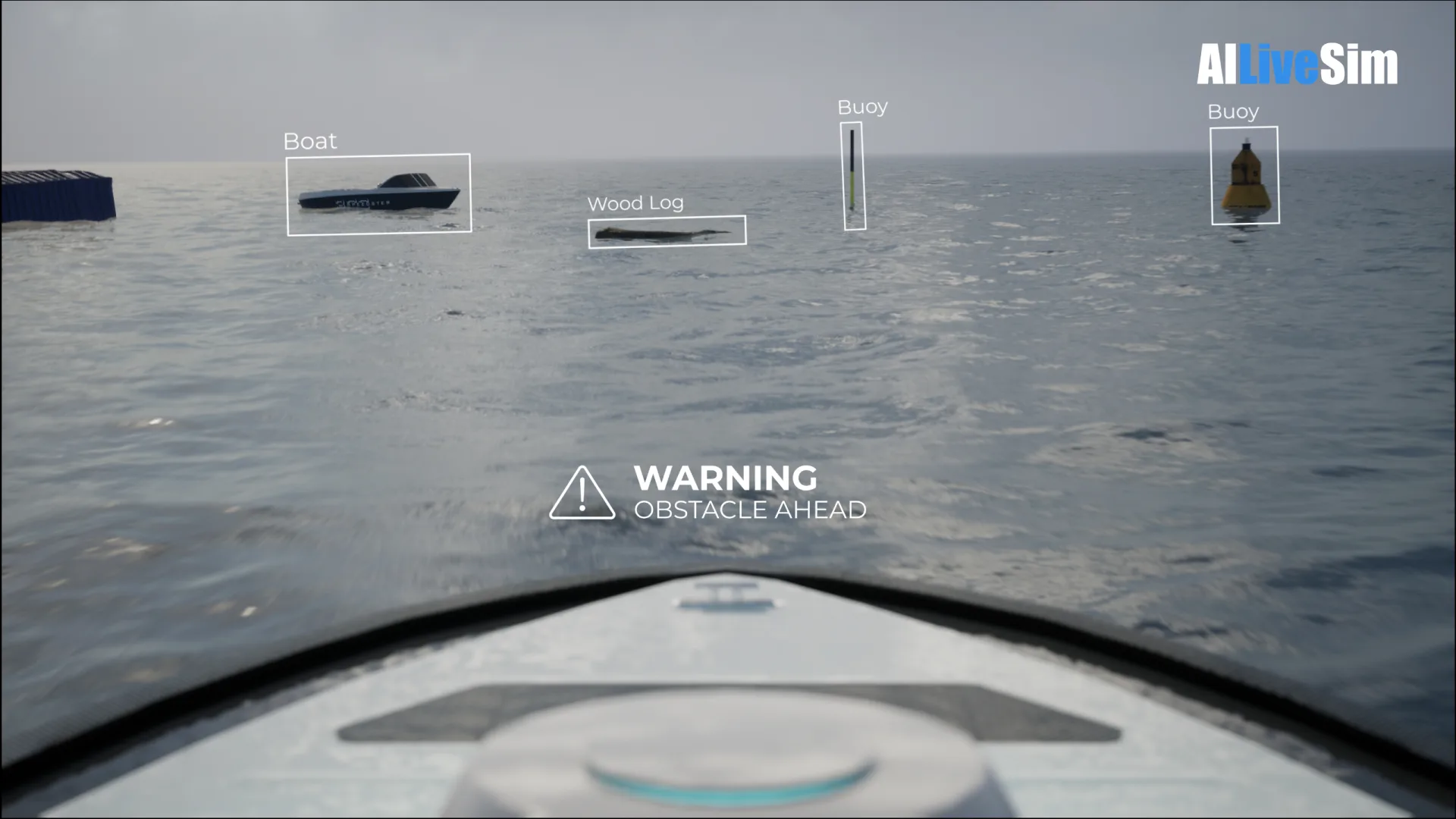
Article
Have You Tested Enough? Intelligent System Testing and the Coverage Problem
Test volume measures effort, not proof. How Intelligent System Testing samples scenarios adaptively to map where an autonomous system works, where it fails, and which combination of conditions moves it from one to the other.
AILiveSim
August 22, 2026 • 4 min read
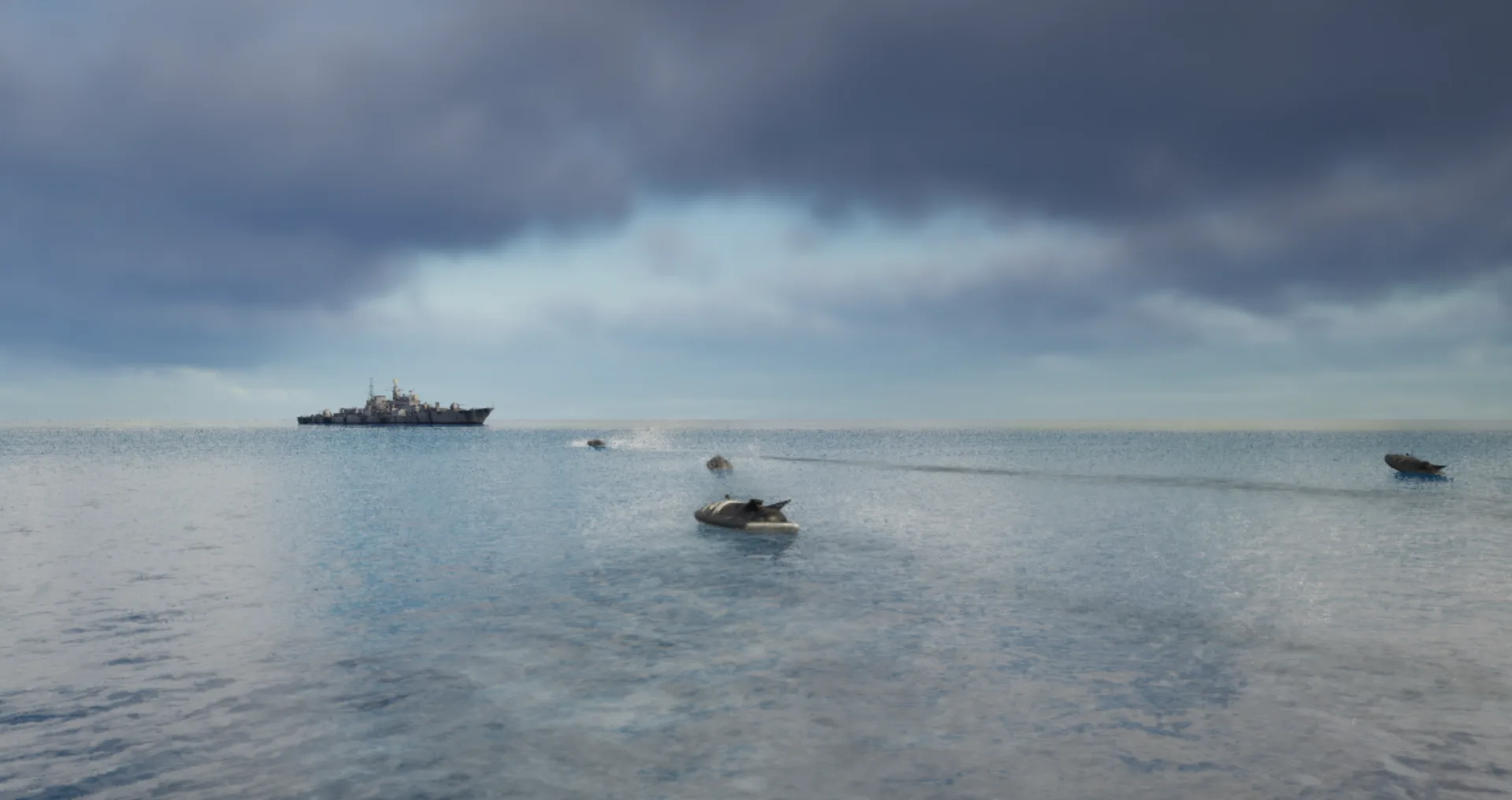
Article
Swarm Defense Testing: Measuring Intercepts, Not Detections
Why no volume of captured data validates swarm defense: adversarial scenarios generated live around the system under test, scored as intercepts achieved versus hits on the protected vessel across repeatable, parameterizable waves.
AILiveSim
August 17, 2026 • 4 min read
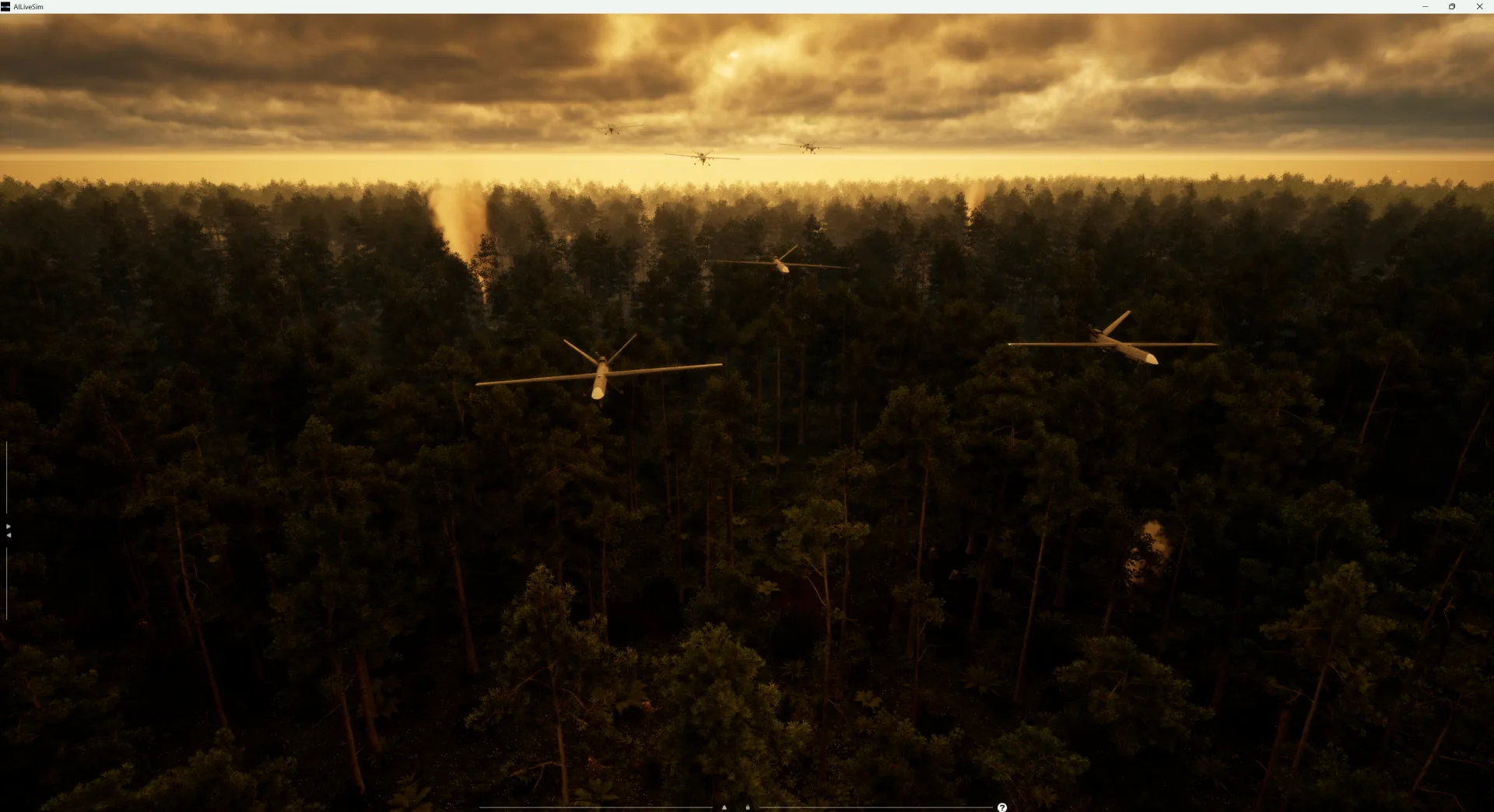
Article
Counter-Drone Detection: Why Precision Fails Before Recall Does
Why counter-drone detection fails on precision before recall: negative-class coverage by sensor channel, and scoring threats neutralized alongside friendlies preserved on repeatable, configurable drone waves.
AILiveSim
August 13, 2026 • 4 min read

Article
What Has to Be Inside an Airport Digital Twin Before It Is Worth Anything
What an airport digital twin must contain before it is worth anything: rare surface conditions, four time-aligned sensors, automatic labelling, and procedural generation that extends to your airport.
AILiveSim
August 10, 2026 • 4 min read
Discover the benefits of synthetic data and simulation
By navigating on this site you agree that we use only minimal cookies required for this site to function. We do not monetize your data.