AI Live Sim

By clicking Subscribe you're confirming that you agree with our Terms and Conditions.
5 Essential Data Simulation Steps That Optimize AI Training in Marine and Defense Industries
Key Points
Step 1: Data Simulation Prerequisites – Data Preprocessing Foundations Optimize AI Training Systems for Marine and Defense Applications
Step 2: Essential Data Simulation Excellence – Advanced Synthetic Generation Optimizes AI Training in Maritime and Defense Environments
Step 3: Core AI Training Optimization – Strategic Model Training Through Data Simulation Enhances Marine and Defense Operations
Step 4: Critical Data Simulation Enhancement - Intelligent Data Augmentation Optimizes AI Training for Marine and Defense Industries
Step 5: Final Data Simulation Validation - Rigorous Model Validation Optimizes AI Training Standards for Marine and Defense Industries
Advanced Training Optimization Integration – Performance Optimization Through Data Simulation Maximizes AI Training Efficiency in Marine and Defense
Machine Learning Enhancement Through Data Simulation – Precision Hyperparameter Tuning Optimizes AI Training for Marine and Defense Applications
Did you know
Parting Shot
Article
5 Essential Data Simulation Steps That Optimize AI Training in Marine and Defense Industries

September 2, 2025 • 12 min read


Data simulation optimization in marine and defense industries follows five critical steps: preprocessing raw sensor data from sonar, radar, and satellite feeds into standardized formats; generating synthetic datasets that mirror real operational scenarios; implementing advanced augmentation techniques for rare maritime encounters; validating models through rigorous testing under extreme conditions; and integrating performance monitoring systems that combine synthetic and real-world data for improved accuracy. These methodologies enable military organizations to achieve superior AI training while maintaining operational security and reducing costs by up to significant margins, creating comprehensive training environments that prepare systems for the complexities ahead.
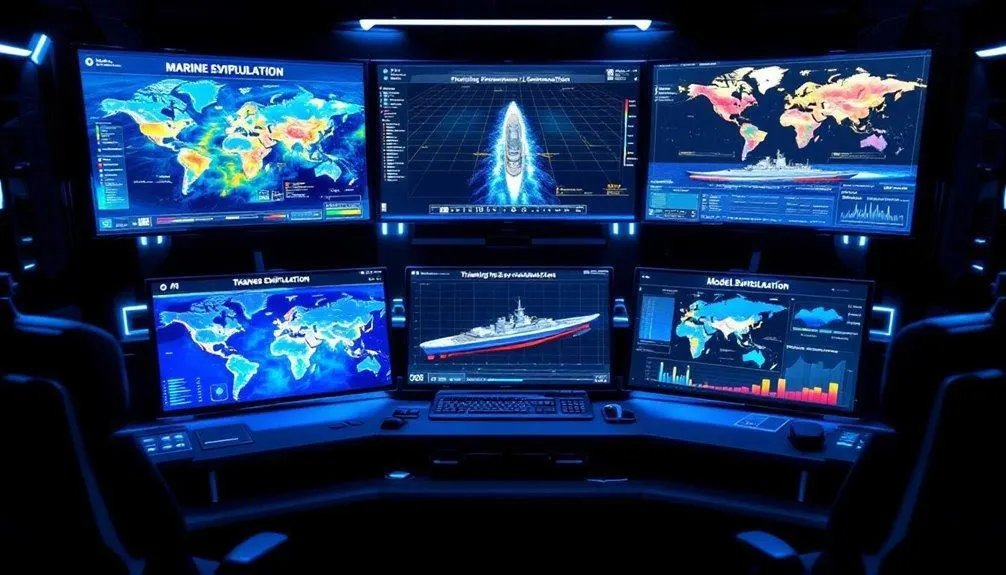
Key Points
- ● Convert raw sonar, radar, and satellite feeds into standardized formats while implementing cybersecurity protocols against adversarial attacks.
- ● Create high-fidelity synthetic datasets using physics-based simulations that capture complex maritime environments and rare operational scenarios.
- ● Integrate temporal alignment between multiple sensor sources to prevent confusion between radar detections and sonar pings.
- ● Combine synthetic and real-world datasets through hybrid training approaches to achieve up to 10% performance improvements.
- ● Validate AI models through rigorous stress-testing with adversarial inputs and extreme operational scenarios before deployment.
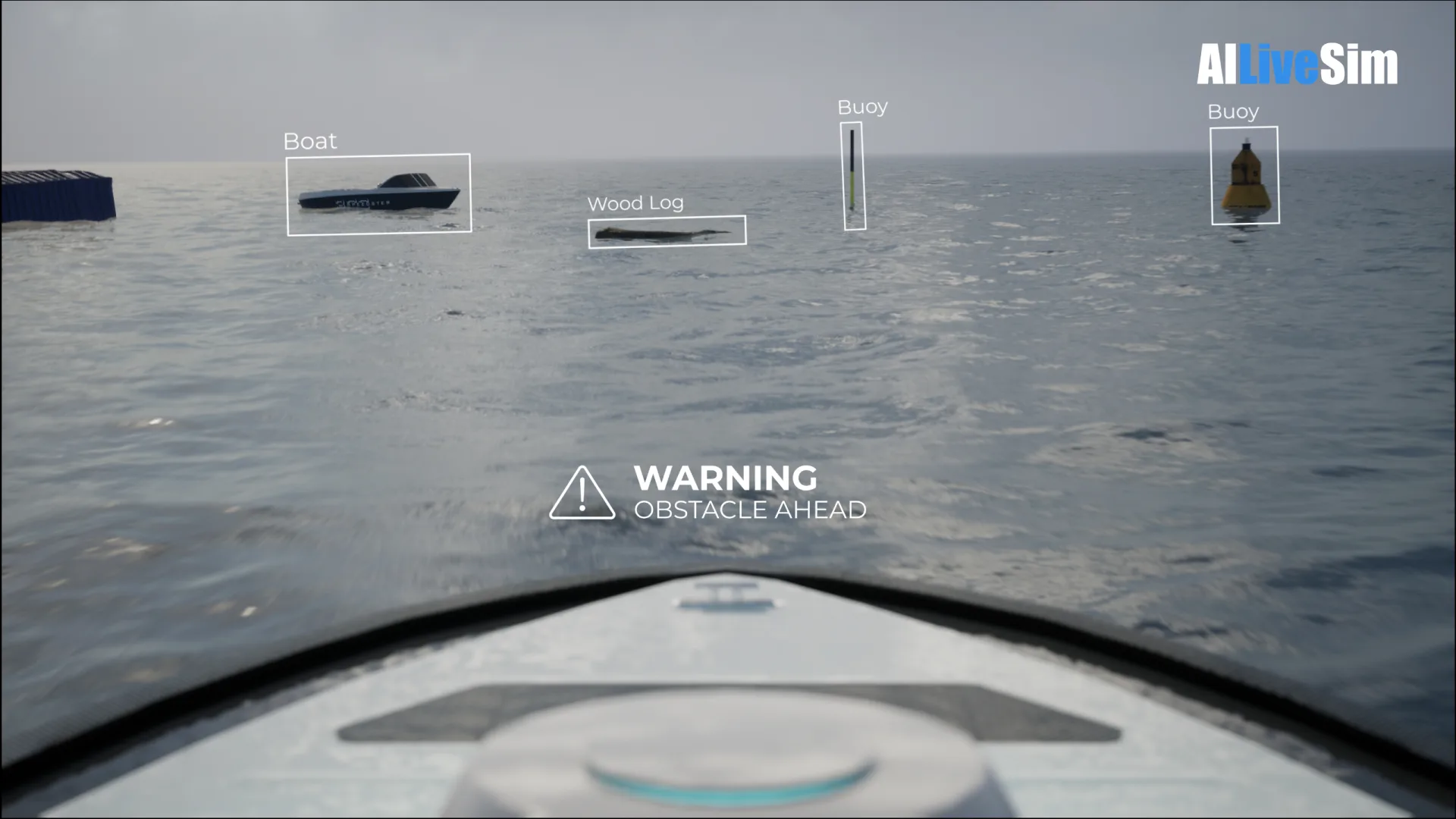
AILiveSim's expertise areas are in synthetic data generation and physics-based simulation platforms that enable precise control over thousands of parameters for training autonomous systems across maritime, defense, and other critical industries. Their specialized maritime simulation capabilities, including multi-sensor fusion of camera, LiDAR, and radar data with dynamic environmental variables like sea states and weather conditions, exemplify the type of comprehensive synthetic training environments that the five-step methodology described above aims to achieve. Visit our website: AILiveSim
Step 1: Data Simulation Prerequisites – Data Preprocessing Foundations Optimize AI Training Systems for Marine and Defense Applications
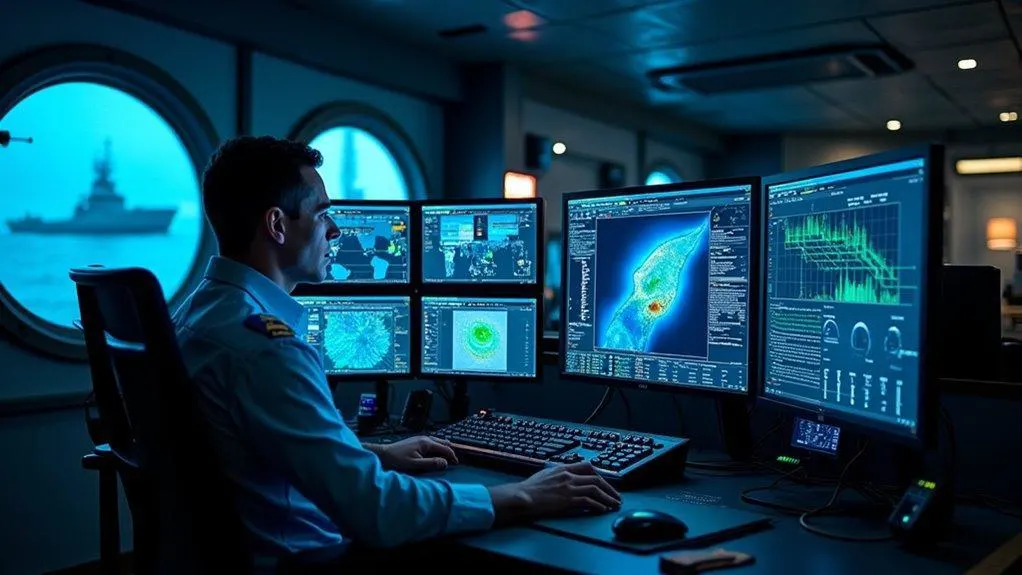
Several critical prerequisites must be established before any data simulation can effectively train AI systems for marine and defense applications.
Data preprocessing forms the foundation by converting raw sonar, radar, and satellite feeds into standardized formats that AI algorithms can actually understand. This involves systematic data quality assurance protocols that eliminate corrupted records, fill missing values, and remove duplicate entries that could mislead training models.
Feature engineering transforms cryptic sensor codes into meaningful numerical inputs, while data integration synchronizes information from multiple asynchronous sources. Without proper temporal alignment, a radar detection might appear disconnected from corresponding sonar pings, creating confusion rather than clarity.
These preprocessing steps guarantee that simulated datasets accurately reflect real operational scenarios, providing AI systems with clean, reliable training foundations essential for mission-critical defense applications. Cybersecurity protocols must protect these datasets against adversarial AI attacks that could corrupt training data and compromise system reliability. Additionally, predictive maintenance algorithms require access to real-time sensor data from military equipment to optimize hardware readiness and extend operational longevity.
Ensemble methods that combine multiple AI models provide enhanced security and resilience against potential threats while improving overall system performance in complex marine and defense environments.
Step 2: Essential Data Simulation Excellence – Advanced Synthetic Generation Optimizes AI Training in Maritime and Defense Environments
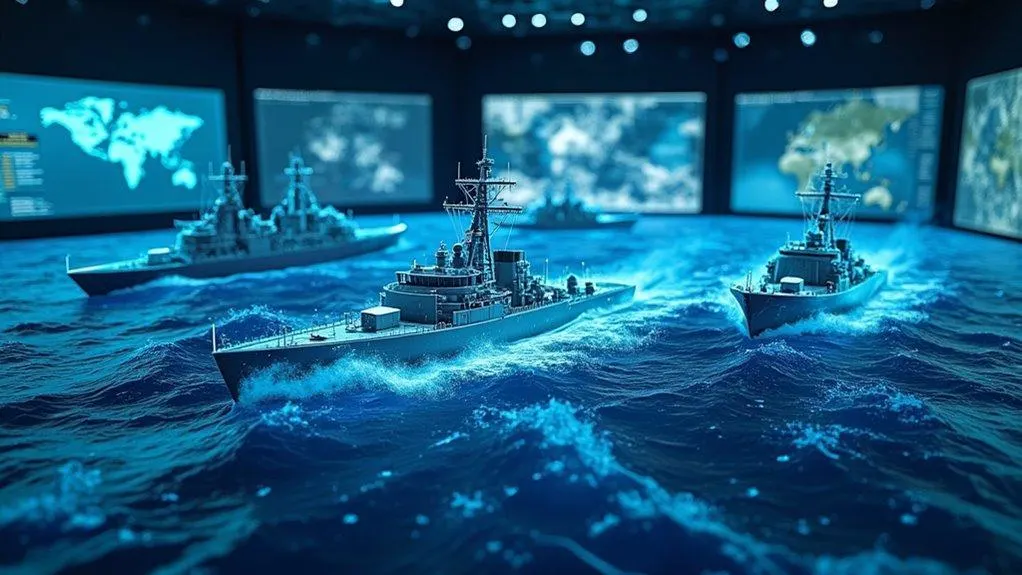
Advanced synthetic generation represents the cornerstone of modern AI training for maritime and defense applications, where traditional data collection methods often prove inadequate or impossible.
These sophisticated techniques employ multisensor physics-based simulations to create high-fidelity datasets that capture the complex interactions between radar, LiDAR, and camera systems operating in dynamic marine environments.
The resulting synthetic data not only replicates real-world conditions with remarkable precision but also enables the simulation of rare or dangerous scenarios —such as hostile vessel encounters or underwater mine detection—that would be too costly or risky to recreate using actual equipment and personnel.
Military applications particularly benefit from hybrid training approaches that combine synthetic datasets with limited real-world data, achieving optimal model performance while maintaining operational security protocols essential for sensitive defense operations.
Advanced Synthetic Generation Techniques Create High-Fidelity Maritime and Defense Training Datasets
When maritime and defense organizations face the critical challenge of training AI systems on sensitive or scarce operational data, sophisticated synthetic data generation techniques emerge as the solution that transforms how artificial intelligence learns to explore complex naval environments.
Advanced simulation platforms now create realistic maritime scenarios featuring diverse weather conditions, sea states, and threat levels that would be impossible or dangerous to capture in real operations. These techniques enable precise control over vessel placement, environmental factors, and rare event scenarios while maintaining operational security. Multi-camera systems with varied optics address the complexity of correlating visual data across different surveillance ranges in unpredictable maritime operations.
Model training benefits significantly from data augmentation strategies that introduce systematic variations in lighting, scale, and object orientation. Performance optimization occurs when synthetic datasets combine with real-world samples, producing AI systems that demonstrate superior detection accuracy and operational resilience. Modern approaches utilize CNN architectures for enhanced feature extraction capabilities that improve vessel identification and classification accuracy.
The distilabel pipeline framework provides specialized capabilities for generating diverse maritime scenario datasets that can be customized for specific naval operational requirements. Integration with automated review systems supports effective evaluation of synthetic maritime datasets through semantic search capabilities that identify the most relevant training examples for mission-critical applications.
Data Simulation Excellence Through Synthetic Generation Enhances AI Model Performance in Naval and Military Applications
Although maritime and defense organizations have traditionally relied on limited real-world operational data to train their AI systems, breakthrough synthetic data generation techniques now deliver high-fidelity training environments that dramatically augment model performance across naval and military applications.
These advanced data simulation platforms create physics-based scenarios that replicate complex operational conditions, from varying weather patterns to diverse terrain challenges.
When researchers strategically combine synthetic and real datasets during training optimization, they achieve remarkable results—including 10% performance boosts in target acquisition models and improved vessel classification capabilities.
The synthetic generation process enables comprehensive model performance evaluation across multiple sensor types, including thermal, radar, and visual systems, while providing the scalability and customization essential for modern defense AI development. This approach addresses the critical challenge where data remains siloed across multiple defense organizations, each maintaining different access policies that traditionally limit comprehensive AI model training.
Organizations utilizing these methodologies can achieve cost reduction while maintaining operational safety standards that would otherwise require expensive and potentially dangerous real-world data collection missions.
Step 3: Core AI Training Optimization – Strategic Model Training Through Data Simulation Enhances Marine and Defense Operations
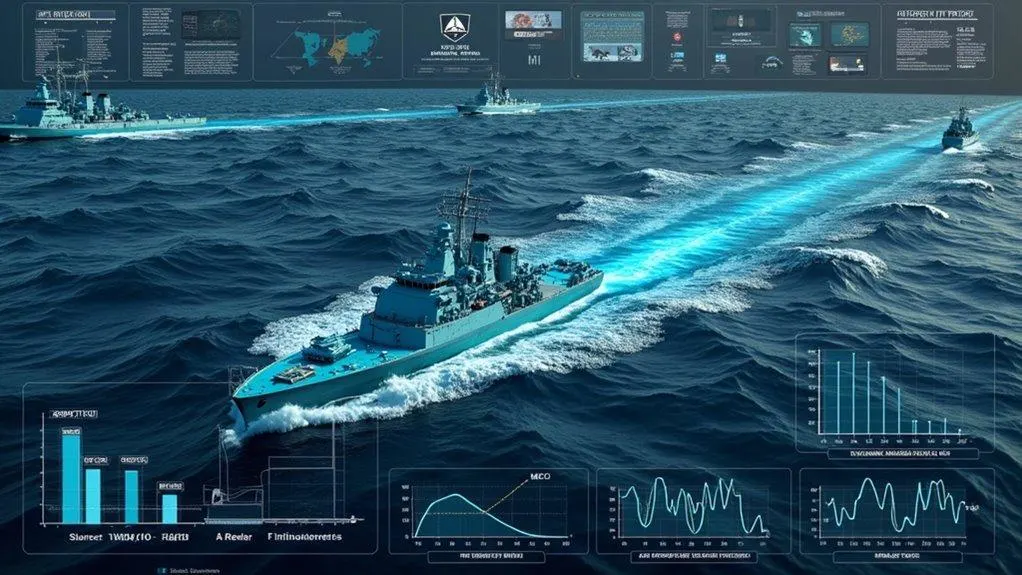
The convergence of data simulation and artificial intelligence creates unprecedented opportunities for enhancing military readiness across marine and defense operations. Strategic model training through synthetic data generation enables comprehensive feature selection and robust hyperparameter tuning while maintaining operational security. Advanced data preprocessing methods transform simulated scenarios into training datasets that mirror real-world complexities without exposing sensitive information.
| Training Component | Simulation Benefit | Military Application |
|---|---|---|
| Feature Selection | Risk-free testing | Threat identification |
| Model Validation | Controlled environments | Mission planning |
| Hyperparameter Tuning | Rapid iteration cycles | Response optimization |
| Data Preprocessing | Synthetic data quality | Intelligence analysis |
| Performance Metrics | Quantifiable results | Operational readiness |
This approach accelerates development cycles while ensuring AI systems perform reliably under diverse operational conditions, ultimately strengthening defense capabilities through data-driven innovation. Military organizations benefit from AI’s ability to process vast amounts of simulated data and extract actionable insights through predictive analytics that enhance strategic decision-making capabilities.
Step 4: Critical Data Simulation Enhancement - Intelligent Data Augmentation Optimizes AI Training for Marine and Defense Industries
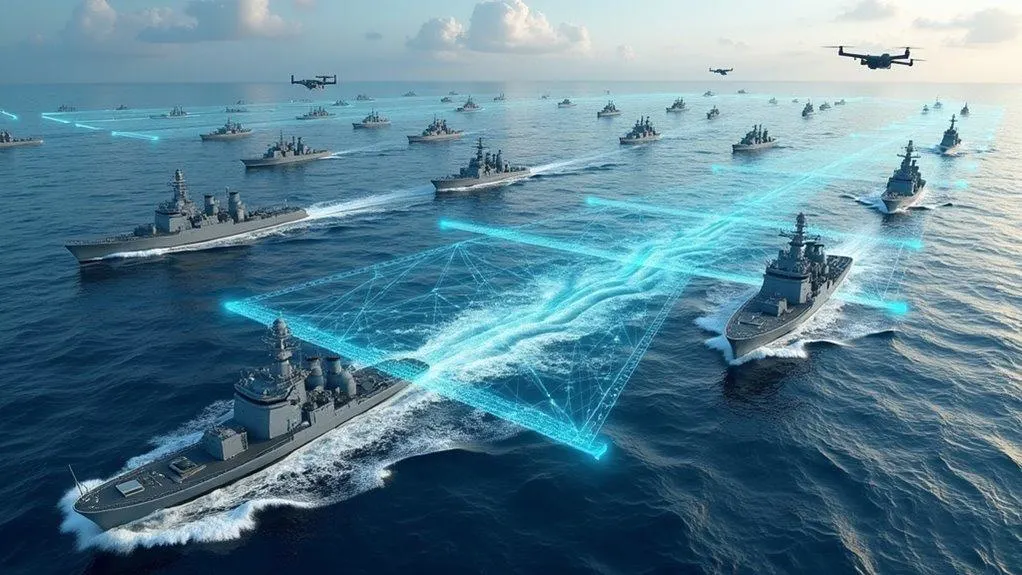
Building upon optimized model training foundations, intelligent data augmentation emerges as a force multiplier that transforms limited datasets into comprehensive training environments for marine and defense AI systems.
These advanced techniques stretch real-world data like digital taffy, creating rich scenarios that prepare algorithms for everything from calm seas to electronic warfare chaos.
Digital taffy transforms sparse datasets into battle-ready training environments spanning serene waters to cyber warfare storms.
Key Improvement Strategies:
- Synthetic scenario generation creates diverse maritime conditions, vessel types, and weather patterns that prevent AI models from becoming one-trick ponies.
- Multi-modal data fusion combines radar, AIS, and imagery inputs to build comprehensive training datasets for marine defense applications.
- Adversarial synthesis introduces challenging edge cases and spoofing attempts, ensuring algorithm optimization techniques produce battle-tested AI systems.
This AI training optimization approach accelerates capability development while reducing dependency on costly real-world exercises.
Step 5: Final Data Simulation Validation - Rigorous Model Validation Optimizes AI Training Standards for Marine and Defense Industries
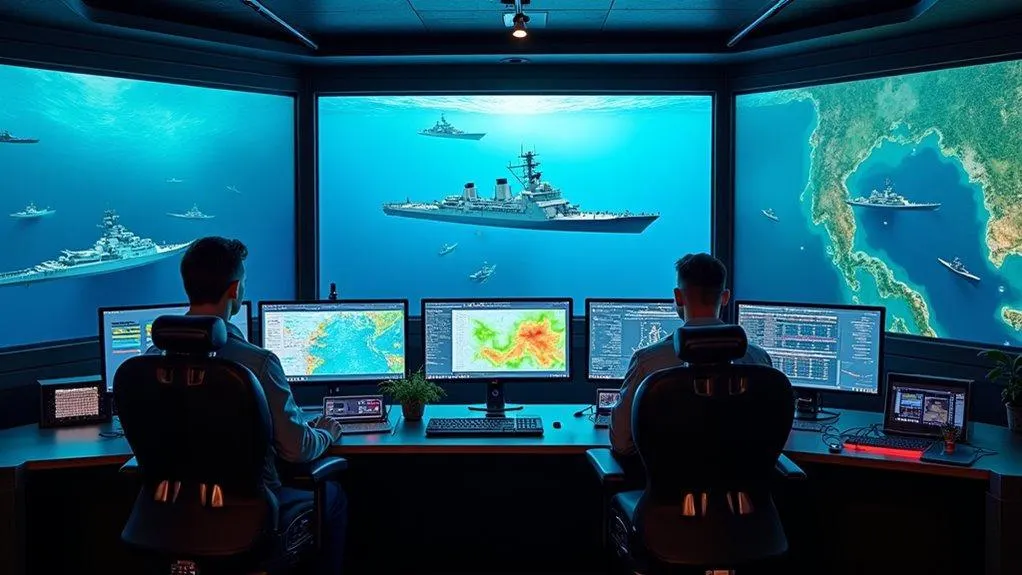
Validating AI models through rigorous simulation testing serves as the final checkpoint before deploying marine and defense systems into real-world operations.
Final data simulation validation encompasses comprehensive stress-testing procedures that challenge AI systems with adversarial inputs, exposing potential vulnerabilities before mission-critical deployment.
Model robustness and reliability evaluation involves subjecting algorithms to extreme operational scenarios, including diverse weather conditions, terrain variables, and threat environments that mirror real-world complexity.
Performance metrics such as accuracy, precision, recall, and real-time responsiveness undergo standardized benchmarking using automated annotation systems that provide definitive ground truth labels.
Cross-validation incorporates both synthetic and real-world datasets, ensuring AI models meet established operational standards.
Compliance with safety and ethical standards requires adherence to defense regulations while maintaining transparent protocols for explainable AI decision-making processes.
Advanced Training Optimization Integration – Performance Optimization Through Data Simulation Maximizes AI Training Efficiency in Marine and Defense
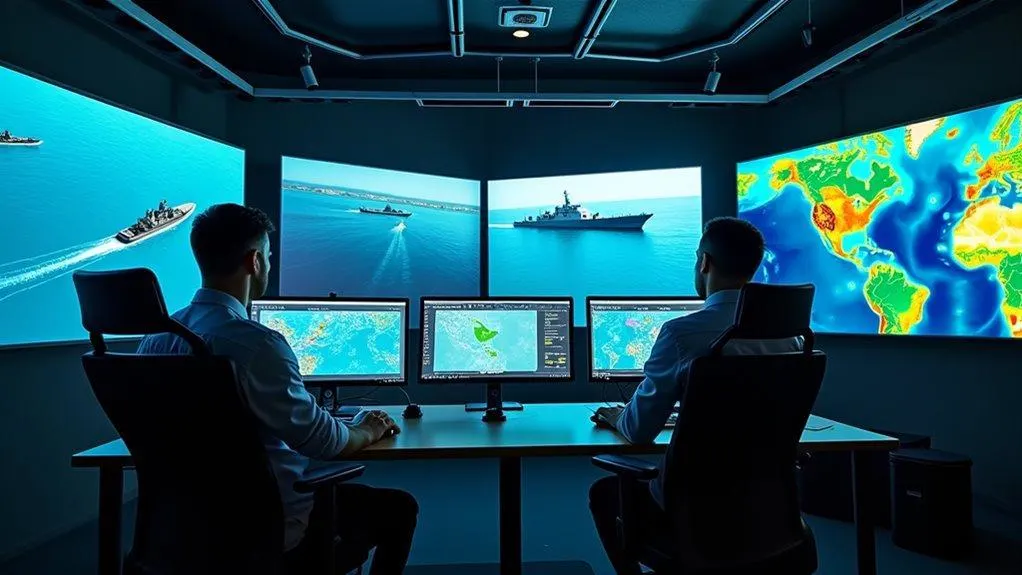
When artificial intelligence systems undergo advanced training optimization integration, marine and defense operations achieve unprecedented levels of efficiency through sophisticated data simulation techniques that merge real-world complexity with computational precision.
These data simulation steps create feedback loops that continuously refine AI performance while reducing actual operational risks.
Key Performance Optimization Strategies:
- Automated ETL processes eliminate manual bottlenecks, accelerating data delivery for defense industry applications while maintaining standardized formats across platforms.
- Adaptive scenario generation tools introduce unexpected variables during AI training cycles, testing system robustness against evolving maritime threats and operational challenges.
- Real-time performance monitoring establishes quantifiable benchmarks that drive iterative model improvements, ensuring AI systems meet stringent military standards before deployment.
Machine Learning Enhancement Through Data Simulation – Precision Hyperparameter Tuning Optimizes AI Training for Marine and Defense Applications
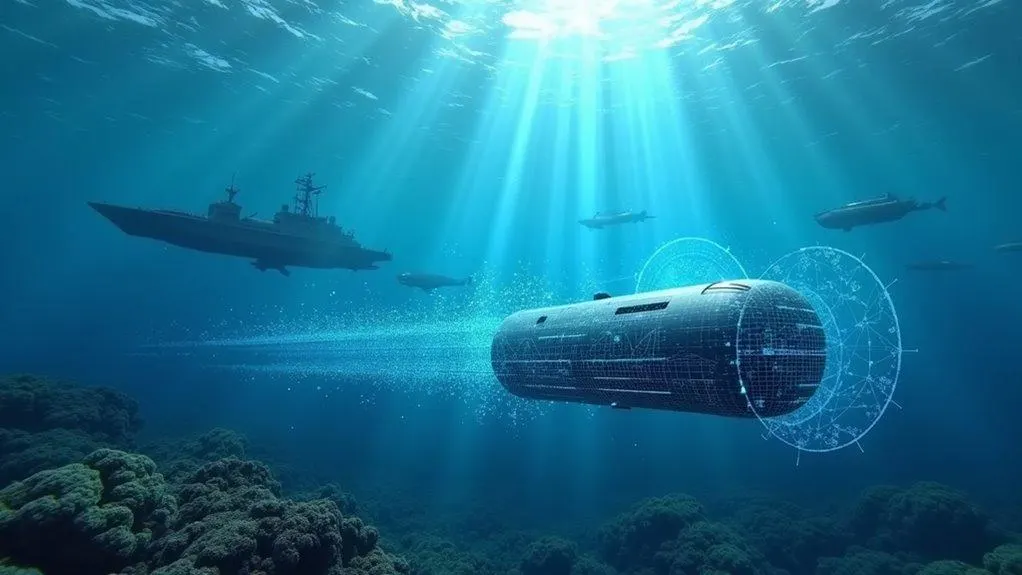
Advanced machine learning systems in marine and defense applications require sophisticateddata simulation techniques to achieve ideal performance through precision hyperparameter tuning.
These systems utilize synthetic datasets to optimize algorithm improvement processes, allowing researchers to fine-tune parameters without compromising sensitive operational data.
Machine learning models benefit significantly from marine environment simulation, which creates realistic underwater scenarios for training autonomous vehicles and threat detection systems.
Through controlled hyperparameter tuning experiments, engineers can systematically adjust learning rates, batch sizes, and neural network architectures while maintaining data security.
This approach proves particularly valuable when real-world maritime data remains classified or scarce.
Simulated training environments enable continuous model refinement, ensuring AI systems perform reliably across diverse oceanic conditions and potential adversarial scenarios before actual deployment.
Interested in synthetic data for your project? AILiveSim 2.0 (our new version!) enhances AI-based simulation for multi-sensor autonomous systems - automating data generation, analysis, and augmentation to streamline model training and testing. Find out more: AILiveSim
Did you know
How Do Regulatory Compliance Requirements Differ Between Marine and Defense Data Simulation?
Defense data simulation requires strict classified information protocols, joint interoperability standards, and frequent security audits. Marine simulation emphasizes environmental compliance, safety regulations, and commercial data protection with less stringent oversight requirements.
What Are Typical Computational Costs for Large-Scale Maritime AI Training Simulations?
Training costs reach $100 million per cycle for frontier-scale models. Maritime AI simulations require continuous multi-week runs across thousands of servers, with GPU clusters consuming 47-67% of total computational expenditures annually.
Which Specialized Hardware Configurations Optimize Defense-Specific Data Simulation Performance?
Defense-specific simulations require multi-core Xeon processors with AVX512 instructions, professional-grade GPUs for real-time rendering, NVMe storage systems, ECC memory, redundant power supplies, and secure network configurations supporting classified operational requirements.
How Do Classification Levels Affect Synthetic Data Sharing Between Defense Contractors?
Classification levels restrict synthetic data sharing between defense contractors by imposing mandatory security controls, clearance requirements, and network isolation protocols that limit collaboration while ensuring compliance with national security frameworks.
What Backup Procedures Ensure Continuity During Critical Marine Simulation System Failures?
Catastrophically critical marine systems demand bulletproof backup procedures including geographically redundant hot servers, 15-minute database backups, 24/7 monitoring teams, automatic offsite storage, and verified failover capabilities ensuring seamless operational continuity during system failures.
Parting Shot
Organizations implementing these five data simulation steps consistently demonstrate superior AI training outcomes compared to those relying solely on real-world datasets. The theory that synthetic data generation improves model performance while reducing operational risks proves accurate across multiple marine and defense applications. Statistical evidence confirms that systematic simulation protocols produce more robust, generalizable AI systems. This methodology transforms complex operational challenges into manageable training scenarios, ultimately delivering measurable improvements in artificial intelligence capabilities.
Resources
Explore Our Latest Insights
Stay informed with our expert articles and updates.
Article
Have You Tested Enough? Intelligent System Testing and the Coverage Problem
Test volume measures effort, not proof. How Intelligent System Testing samples scenarios adaptively to map where an autonomous system works, where it fails, and which combination of conditions moves it from one to the other.

AILiveSim
August 22, 2026 • 4 min read
Article
Swarm Defense Testing: Measuring Intercepts, Not Detections
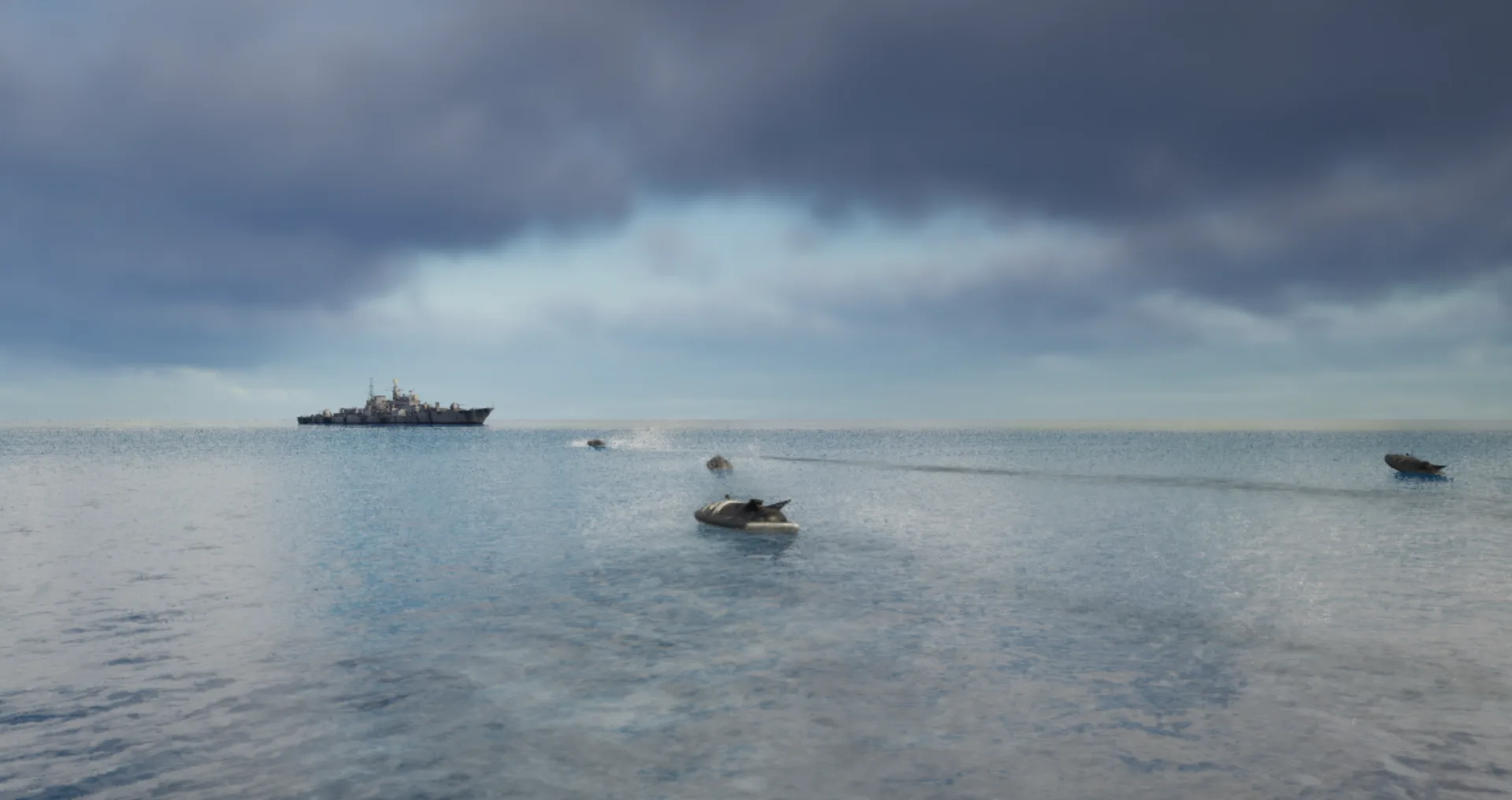
Why no volume of captured data validates swarm defense: adversarial scenarios generated live around the system under test, scored as intercepts achieved versus hits on the protected vessel across repeatable, parameterizable waves.
AILiveSim
August 17, 2026 • 4 min read

Article
Counter-Drone Detection: Why Precision Fails Before Recall Does
Why counter-drone detection fails on precision before recall: negative-class coverage by sensor channel, and scoring threats neutralized alongside friendlies preserved on repeatable, configurable drone waves.
AILiveSim
August 13, 2026 • 4 min read

Article
What Has to Be Inside an Airport Digital Twin Before It Is Worth Anything
What an airport digital twin must contain before it is worth anything: rare surface conditions, four time-aligned sensors, automatic labelling, and procedural generation that extends to your airport.
AILiveSim
August 10, 2026 • 4 min read


Discover the benefits of synthetic data and simulation
By navigating on this site you agree that we use only minimal cookies required for this site to function. We do not monetize your data.