AI Live Sim

By clicking Subscribe you're confirming that you agree with our Terms and Conditions.
How Scenario-Based Training In A Synthetic Training Environment Accelerates Readiness?
Key Points
Mission Rehearsal Training Uses Scenario Generation Platforms for Operation-Specific Terrain and Threat Preparation
How Adaptive Learning Training Compresses Time-to-Proficiency by 40% Through Personalized Algorithms
Repetitive Practice Training Leverages Virtual Environment Engines for Risk-Free Thousand-Rep Skill Mastery
Simulate Unpredictable Adversarial Responses with Tactical Decision Training and Behavioral Modeling
Frequently Asked Questions
Parting Shot
Article
How Scenario-Based Training In A Synthetic Training Environment Accelerates Readiness?

December 22, 2025 • 20 min read


Scenario-based training: a force multiplier for military and emergency personnel readiness. Synthetic environments compress traditional training timelines by 40%. Personnel rehearse exact floor plans. They navigate blind corners. They face adversaries that adapt and deceive.
Key advantages of synthetic training environments:
- Repetition volume: Trainees complete thousands of risk-free iterations, building muscle memory and decision-making speed
- Retention rates: Knowledge retention reaches 75-80%, compared to traditional classroom methods yielding only 5-20%
- Adaptive opposition: Virtual adversaries employ deception tactics and unpredictable behaviors, forcing real-time problem solving
Synthetic training environments, a category of immersive simulation technology, enable consequence-free failure. Trainees learn from mistakes without real-world costs. After-action reviews capture every decision point. Instructors identify skill gaps immediately.
The virtual rehearsal space, a digital twin of operational environments, creates neural pathways through realistic stress exposure. Heart rates elevate. Adrenaline flows. The brain cannot distinguish simulation from reality during high-fidelity scenarios.
Modern synthetic environments integrate artificial intelligence for scenario generation. Machine learning algorithms, a subset of computational training tools, create infinite tactical variations. No two training sessions unfold identically.
Interesting Fact: The human brain processes virtual reality experiences in the same neural regions as real-world events, which explains why synthetic environment training transfers so effectively to actual operational performance.
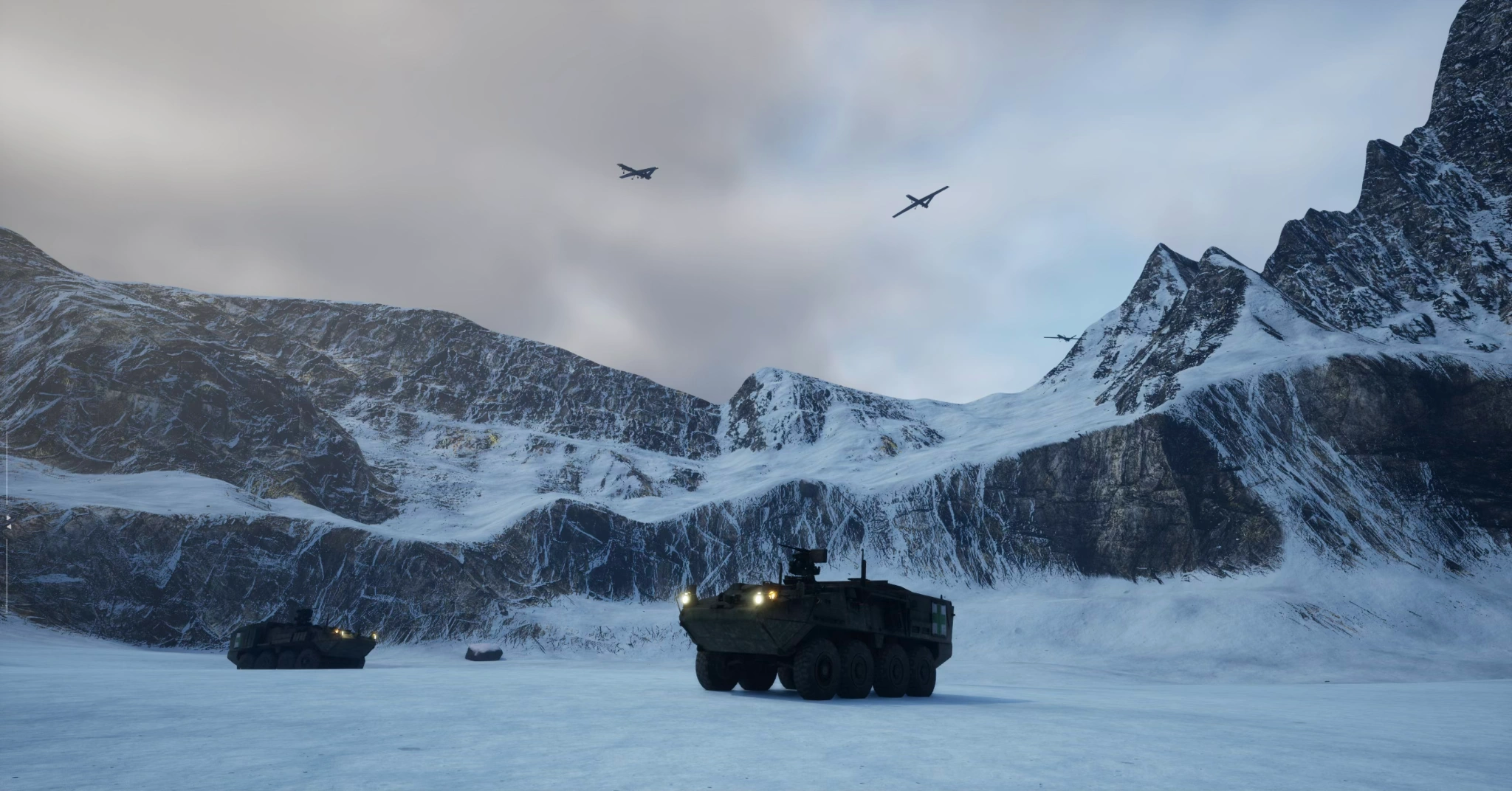
Key Points
- ● Adaptive AI training compresses time-to-proficiency by 40% through personalized difficulty targeting.
- ● Virtual repetition builds neural pathways that transform knowledge into reflexive muscle memory.
- ● Adversarial AI forces split-second tactical decisions under realistic cognitive load conditions.
- ● Immersive rehearsal with exact floor plans builds situational awareness before deployment.
- ● VR training achieves 75-80% retention rates versus 5-20% for traditional classroom methods.
AILiveSim's expertise areas are in simulation-in-the-loop testing and synthetic data generation for autonomous systems across maritime, defense, and aeronautics sectors—applying the same principles of high-fidelity scenario generation and adaptive training pipelines explored throughout this article. AILiveSim aims to build trust in AI synthetic data, and we are trusted by our customers to deliver robust, validated solutions that accelerate autonomous system readiness. Visit our website: AILiveSim
Mission Rehearsal Training Uses Scenario Generation Platforms for Operation-Specific Terrain and Threat Preparation
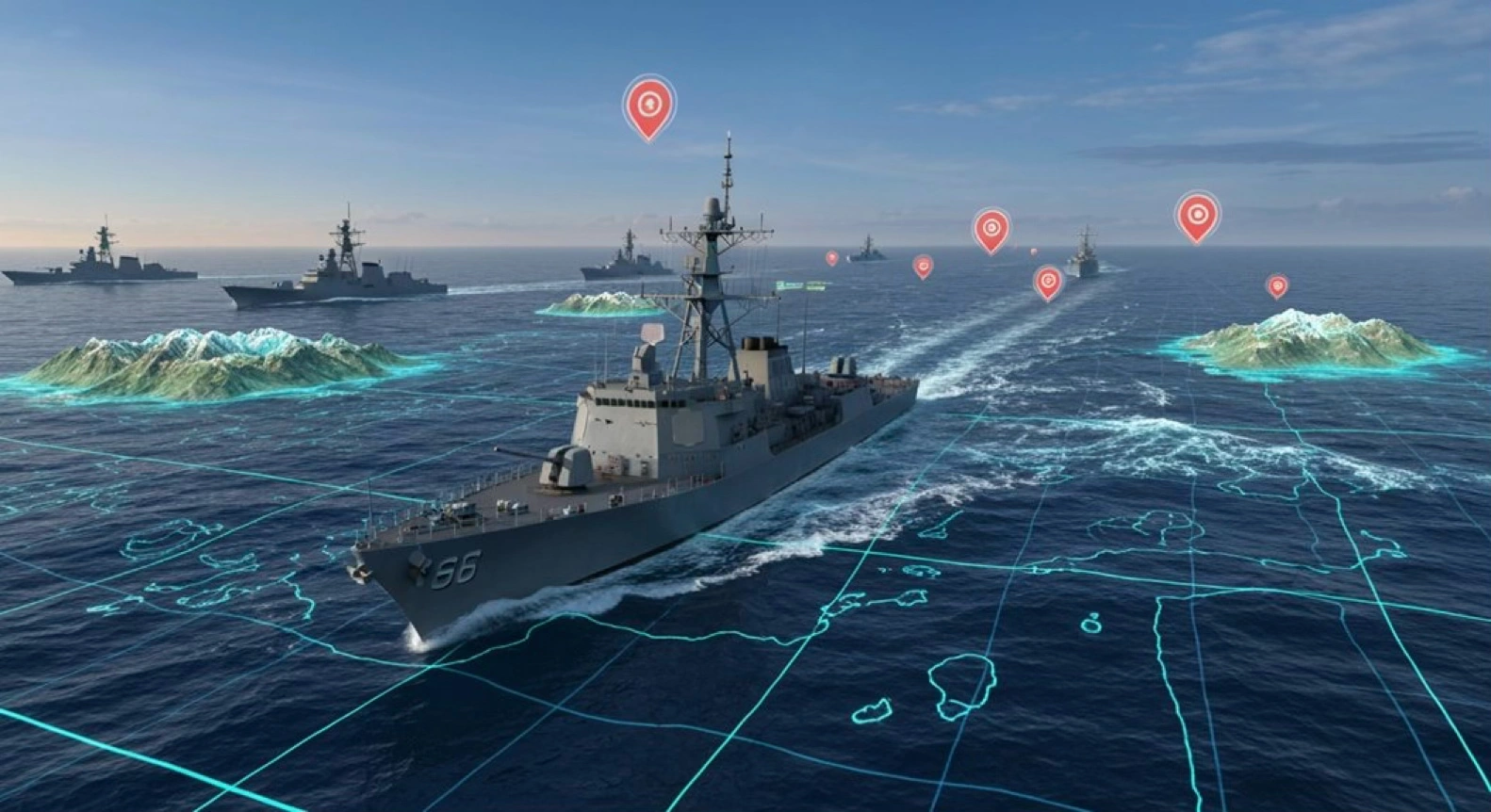
Tactical teams face a problem. They must storm a building they've never entered, navigate corridors they've never seen, anticipate threats they've never encountered. How do you prepare for the unknown?
Scenario generation platforms provide the answer.
These systems recreate actual floor plans within immersive training environments, transforming blueprints into walkable digital worlds where every doorway, every stairwell, every blind corner exists exactly as it will on mission day. Teams train there. They rehearse there. They build the situational awareness that separates success from catastrophe—before boots ever hit real ground.
Consider what this technology delivers:
| Feature | Benefit |
|---|---|
| Environmental fidelity controls | Terrain familiarization |
| Multi-user coordination systems | Team cohesion |
| After action review tools | Transfer effectiveness measures |
Environmental fidelity controls let you study the terrain until it feels familiar; multi-user coordination systems forge team cohesion through shared virtual operations; after action review tools measure how effectively training transfers to performance. Each feature serves a purpose. Each purpose saves lives.
Through simulation training powered by procedural content generators, challenges emerge early—hidden vulnerabilities in the approach, coordination gaps between team members, timing failures that would prove fatal in actual operations. Better to discover these flaws in pixels than in concrete. Platforms like SIMRES™ enhance this preparation by integrating live action with virtual environments to create force-on-force training scenarios with exceptional realism. Systems like MAVEN Broken Arrow demonstrate how customizable scenarios reflecting diverse environments enable specialized teams to rehearse nuclear response and EOD missions with full procedural fidelity.
The crescendo builds slowly here, deliberately, because mission rehearsal demands reflection over reaction. You study the environment. You internalize the layout. You prepare. User-friendly sketch tools transform VR-ready floorplans in minutes, allowing teams to rapidly construct virtual replicas of target facilities before deployment. This capability proves critical as next-generation platforms grow orders of magnitude more complex, demanding training solutions that match the sophistication of modern operational environments.
Then you execute.
Pretty useful stuff? No. Essential stuff. When tactical teams step into hostile territory with full situational awareness, when they move through unfamiliar buildings as though they've walked those halls a hundred times, when coordination flows seamlessly because it's been rehearsed in perfect digital replicas—that's the power of scenario generation platforms transforming preparation into survival.
How Adaptive Learning Training Compresses Time-to-Proficiency by 40% Through Personalized Algorithms
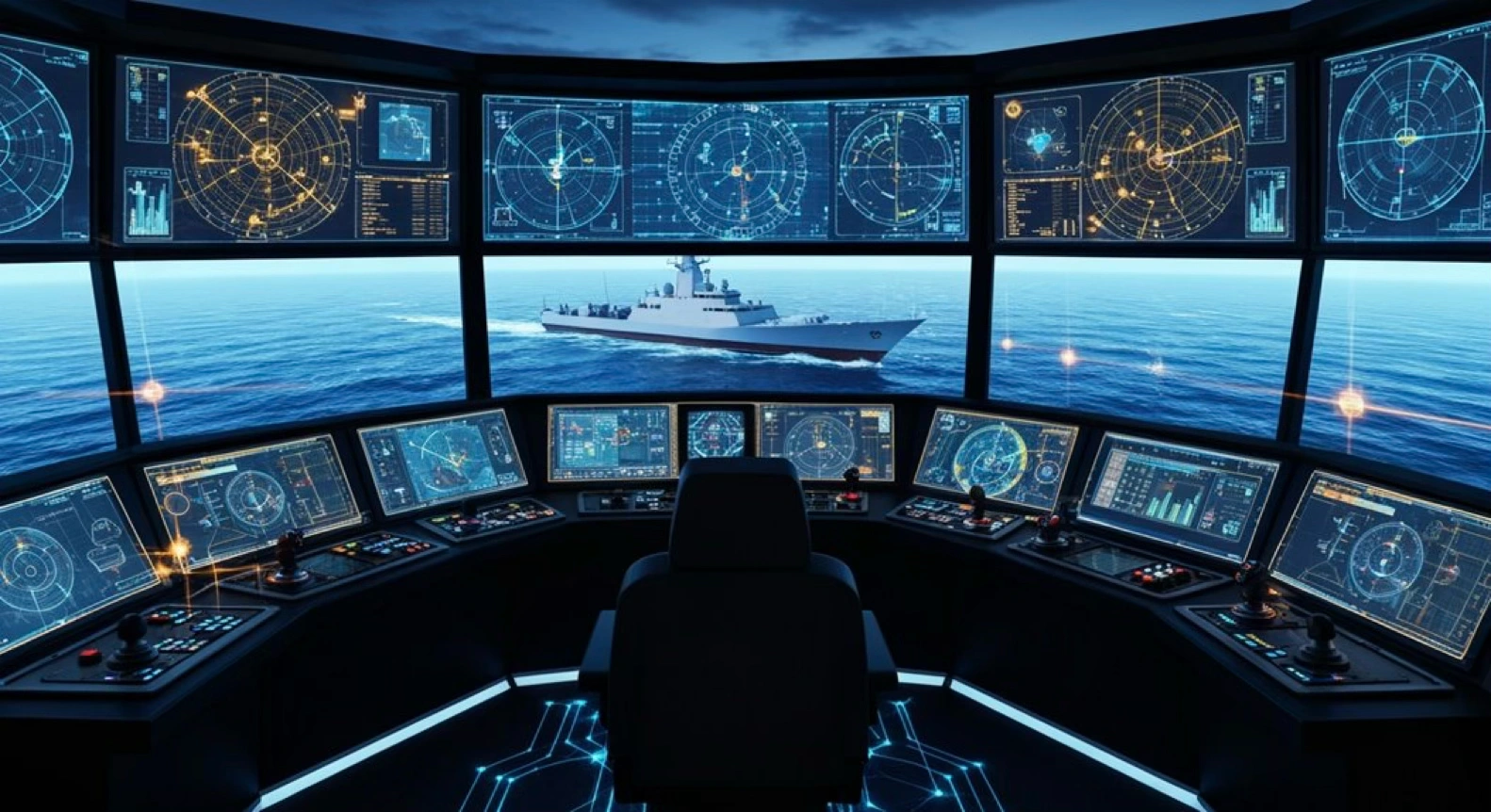
Forty percent faster.
That's the promise adaptive learning training keeps when competency tracking frameworks actually deliver what they claim. Not guesswork—data. Not hope—precision. Not someday—now.
Consider what PERLS achieved with Army Air Assault training: completion rates climbed 25%, while soldiers scored 13% higher on assessments. Behind those numbers? Difficulty scaling algorithms quietly doing exactly what they were designed to do. You might wonder how machines can teach humans better than traditional methods ever could. The answer lives in the data, breathes in the patterns, and reveals itself through relentless personalization.
Here's what the research shows:
| Component | Impact |
|---|---|
| Adaptive difficulty adjustment | Highest effectiveness in meta-analysis |
| Personalized content delivery | Targets individual weaknesses |
| Microlearning integration | Fills gaps, reduces attrition |
| Time compression metrics | Measurable proficiency gains |
| Skill progression metrics | Tracks readiness training outcomes |
Each component serves a purpose; together, they form something greater than their parts. Adaptive difficulty adjustment emerged as the most effective element in meta-analysis—no surprise there. When content bends to meet your weaknesses instead of glossing past them, learning accelerates. Microlearning integration plugs the holes that traditional programs ignore, while time compression metrics prove what intuition alone cannot: proficiency gains are real, measurable, documented.
Why does any of this matter?
Because performance assessment training transforms the moment data starts driving decisions instead of decorating reports. The algorithms track. The systems adjust. The learner advances—not at some arbitrary pace dictated by classroom schedules, but at the speed their own neural pathways permit. The platform's xAPI instrumentation enables robust tracking of every learner interaction, capturing the granular data that makes true personalization possible. The Advanced Distributed Learning Initiative continues developing Total Learning Architecture specifications to ensure these adaptive systems maintain interoperability across platforms.
Skill progression metrics capture readiness training outcomes with surgical clarity, revealing exactly when a soldier crosses from learning into knowing. From practicing into performing.
Magic? Hardly. Just mathematics meeting methodology. Results.
Repetitive Practice Training Leverages Virtual Environment Engines for Risk-Free Thousand-Rep Skill Mastery
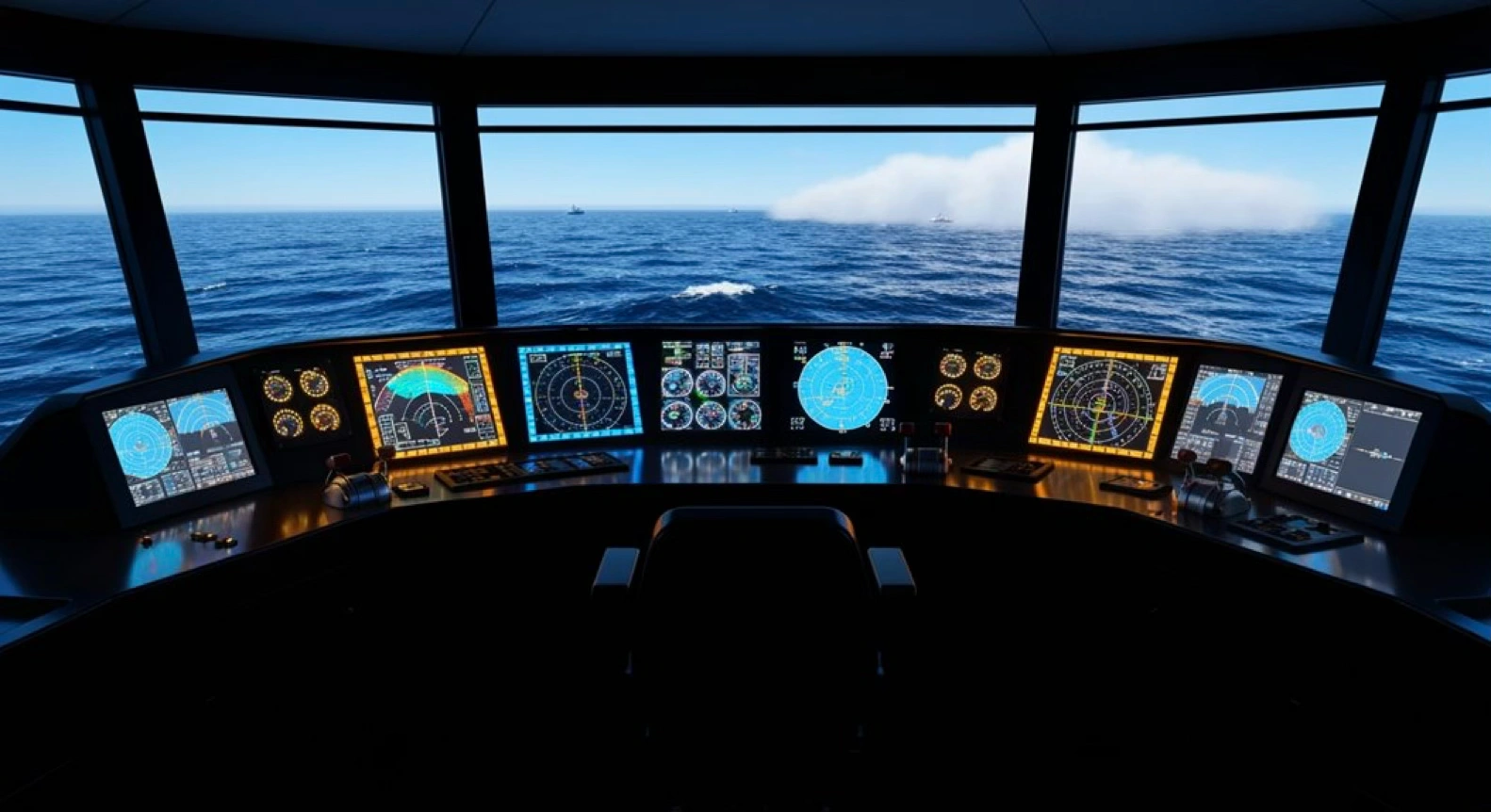
Algorithms personalize the path. Repetition paves it.
Inside virtual environment engines, you can fail without consequence, stumble without injury, and practice until muscle memory becomes instinct. Thousands of reps. Zero real-world risk. This is where mastery lives—in the space between the hundredth attempt and the thousandth, where hesitation dissolves and confidence crystallizes into competence.
Consider what happens when you train this way: feedback delivery systems catch every misstep, replay analysis tools dissect each movement, and performance capture modules map behavioral patterns with surgical precision. Nothing escapes documentation. Nothing fades into forgotten memory. Every mistake becomes a teacher; every correction, a building block.
But what about pressure?
Stressor injection methods answer that question—building resilience through controlled chaos, layering difficulty until calm under fire becomes second nature. The training doesn't just prepare you. It transforms you.
Now look at the numbers:
| Metric | Traditional | VR Training |
|---|---|---|
| Retention Rate | 5–20% | 75–80% |
| Learning Speed | 1x | 4–6.5x faster |
| Confidence Boost | Baseline | 275% higher |
Traditional methods deliver 5–20% retention. Virtual reality training pushes that to 75–80%. Learning accelerates four to six-and-a-half times faster. Confidence soars 275% higher than baseline measurements—not marginally better, not incrementally improved, but fundamentally elevated.
Rep after rep, the virtual space forgives. Rep after rep, neural pathways strengthen. Rep after rep, knowledge embeds itself so deeply that recall becomes reflex. VR learners demonstrate 4x more focus than their e-learning counterparts, turning each repetition into deeper engagement. This immersive approach increases learning effectiveness by 76% compared to conventional training methods. The experience engages multiple senses simultaneously, as haptic feedback joins visual and auditory cues to deepen skill encoding.
Then reality arrives.
And you're ready.
When the stakes climb, when the pressure mounts, when performance matters most, this training reveals its true value. The algorithms guided your journey; the repetitions forged your skill. Knowledge retention crushing traditional approaches isn't a marketing claim—it's measurable, documented, proven. This explains why over 75% of Fortune 500 companies have already integrated VR into their training and education programs.
Training effectiveness between these two approaches? Not even close.
Simulate Unpredictable Adversarial Responses with Tactical Decision Training and Behavioral Modeling
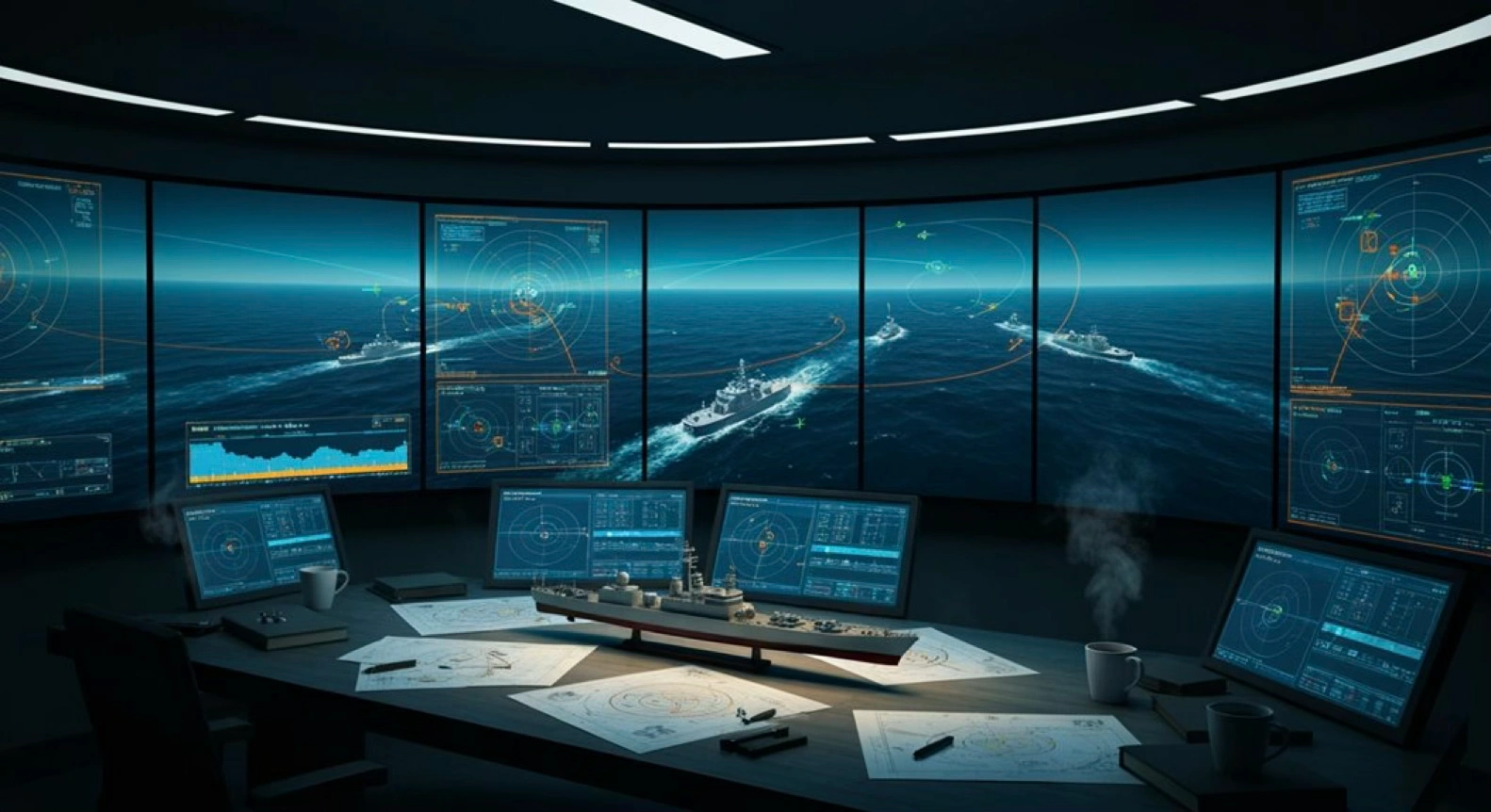
Adversaries don't follow scripts. They never have. They never will. And that single truth changes everything about how you train.
Real opponents think on their feet—they adapt, they deceive, and yes, they occasionally make stupid mistakes that no algorithm would predict. Your synthetic training environment must mirror this chaos; behavioral modeling engines exist precisely to deliver it.
Without genuine unpredictability, trainees learn patterns instead of principles, reflexes instead of reasoning.
Consider what makes threat response training truly effective. Branching narrative structures expose you to multiple adversary courses of action, forcing rapid reassessment when the enemy zigs instead of zags.
Consequence-driven scenarios teach the real implications of choices: hesitate, and the situation escalates; overcommit, and you've walked into an ambush.
Scenario injection frameworks vary threat cues deliberately, manipulating timing until trainees stop waiting for predictable signals. Assessment scoring engines then compare each decision against expert solutions, revealing gaps that comfortable repetition would hide.
The rhythm quickens here. Short windows. Split-second calls. No second chances. Dynamic situations produce abbreviated planning with less wargaming and fewer alternative COAs.
But step back for a moment—reflect on why this matters. Skill acquisition accelerates dramatically when training feels genuinely unpredictable, when the behavioral modeling engine generates adversaries who scheme and stumble and surprise.
Can predictable drills ever replicate the cognitive load of facing an enemy who thinks? They cannot. Tactical decision training demands more than rote memorization; it demands the mental agility that only simulated uncertainty can forge.
So the engines hum, the scenarios branch, and the assessments measure what matters most: not whether trainees followed a script, but whether they outthought an adversary who refused to follow one.
Unpredictable opposition. Adaptive training. Battle-ready minds.
Interested in synthetic data or simulation-in-the-loop testing for your project? AILiveSim enhances AI-based simulation for multi-sensor autonomous systems - automating data generation, analysis, and augmentation to streamline model training and testing. Find out more: AILiveSim
Frequently Asked Questions
What Universal Standards Ensure Synthetic Training Environments Remain Interoperable Across Different Platforms?
Universal standards ensuring synthetic training environment interoperability include IEEE 1516 High Level Architecture, SISO Distributed Interactive Simulation protocols, NATO STANAG simulation standards, and emerging SysML 2.0 specifications, which collectively enable seamless data exchange across diverse platforms and systems.
How Does Haptic Feedback Integration Enhance Skill Transfer Rates in Synthetic Training?
Haptic feedback integration enhances skill transfer rates by bridging the gap between virtual practice and real-world execution. Research demonstrates visuohaptic training yields significantly lower recall errors, enabling trainees to internalize physical responses that translate effectively to operational environments.
What Latency Thresholds Are Required for Effective Real-Time Immersive Training Experiences?
Effective real-time immersive training requires sub-20ms latency to prevent cybersickness and maintain presence, with ideal performance demanding 5-7ms for head-mounted displays. Latency above 13ms progressively degrades human performance and disrupts training effectiveness.
Can Synthetic Training Environments Accommodate Over 1000 Concurrent Trainees Simultaneously?
Yes, synthetic training environments can support such participant volumes. Distributed architectures and cloud-based frameworks enable these platforms to accommodate over 1,000 concurrent trainees, with systems like Calian's demonstrating capacity for approximately 1,500 simultaneous participants.
How Do Emotion Recognition Systems Adjust Training Difficulty During High-Stress Scenarios?
Emotion recognition systems monitor physiological signals and facial expressions to estimate trainee stress levels in real-time. When overload indicators appear, closed-loop control architectures automatically reduce scenario complexity, maintaining performance within ideal arousal windows for effective learning.
Parting Shot
Synthetic training environments aren't just fancy video games for professionals. They're game-changers. The proof is in the pudding—40-60 percent faster proficiency, 85 percent skill transfer rates. That's not marketing fluff. Organizations get to throw trainees into dangerous, unpredictable scenarios without anyone actually getting hurt. Repetition without risk. Adaptation without limits. The old way of training? It's looking pretty obsolete right about now.
Resources
Explore Our Latest Insights
Stay informed with our expert articles and updates.
Article
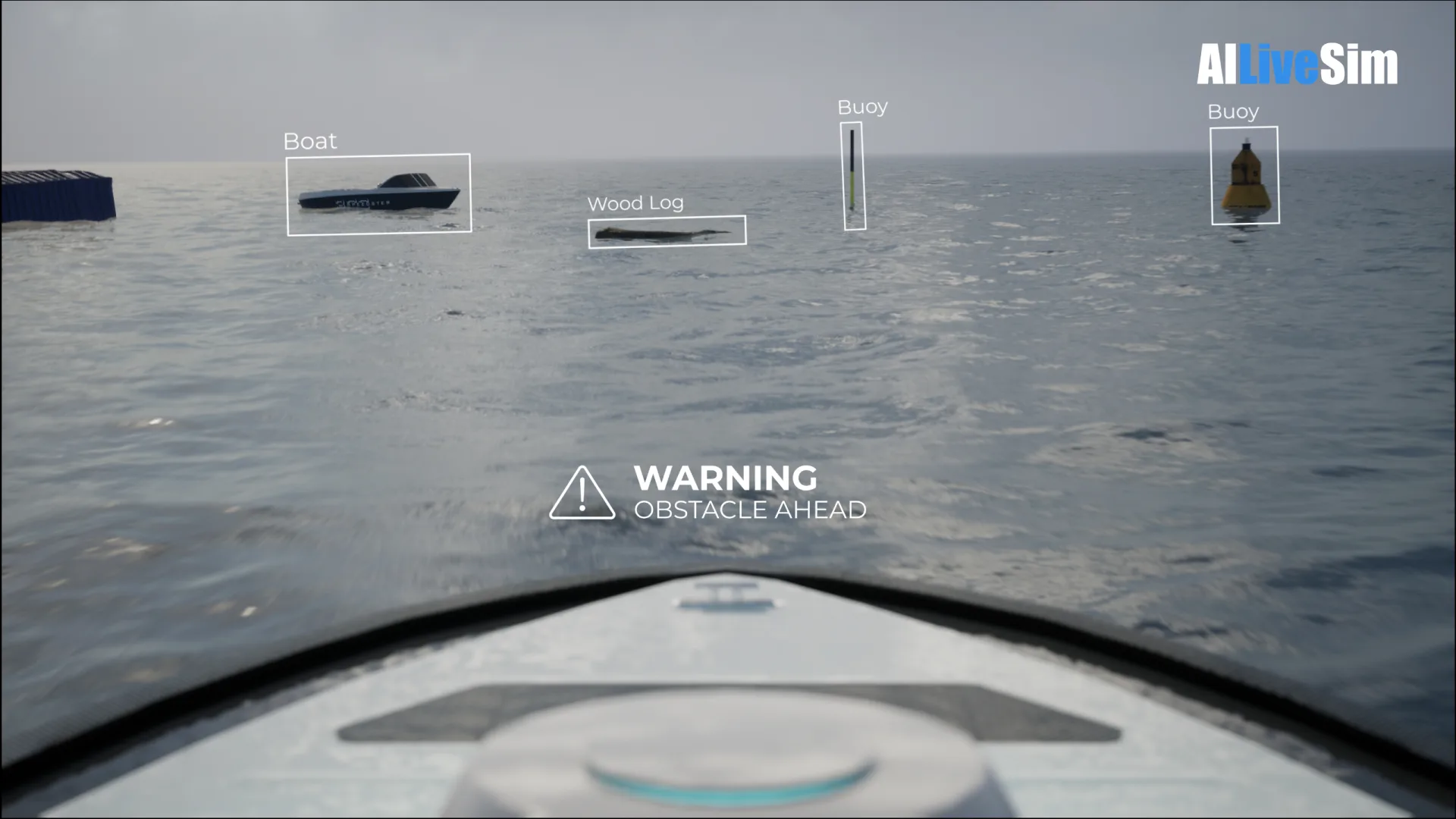
Have You Tested Enough? Intelligent System Testing and the Coverage Problem
Test volume measures effort, not proof. How Intelligent System Testing samples scenarios adaptively to map where an autonomous system works, where it fails, and which combination of conditions moves it from one to the other.

AILiveSim
August 22, 2026 • 4 min read
Article
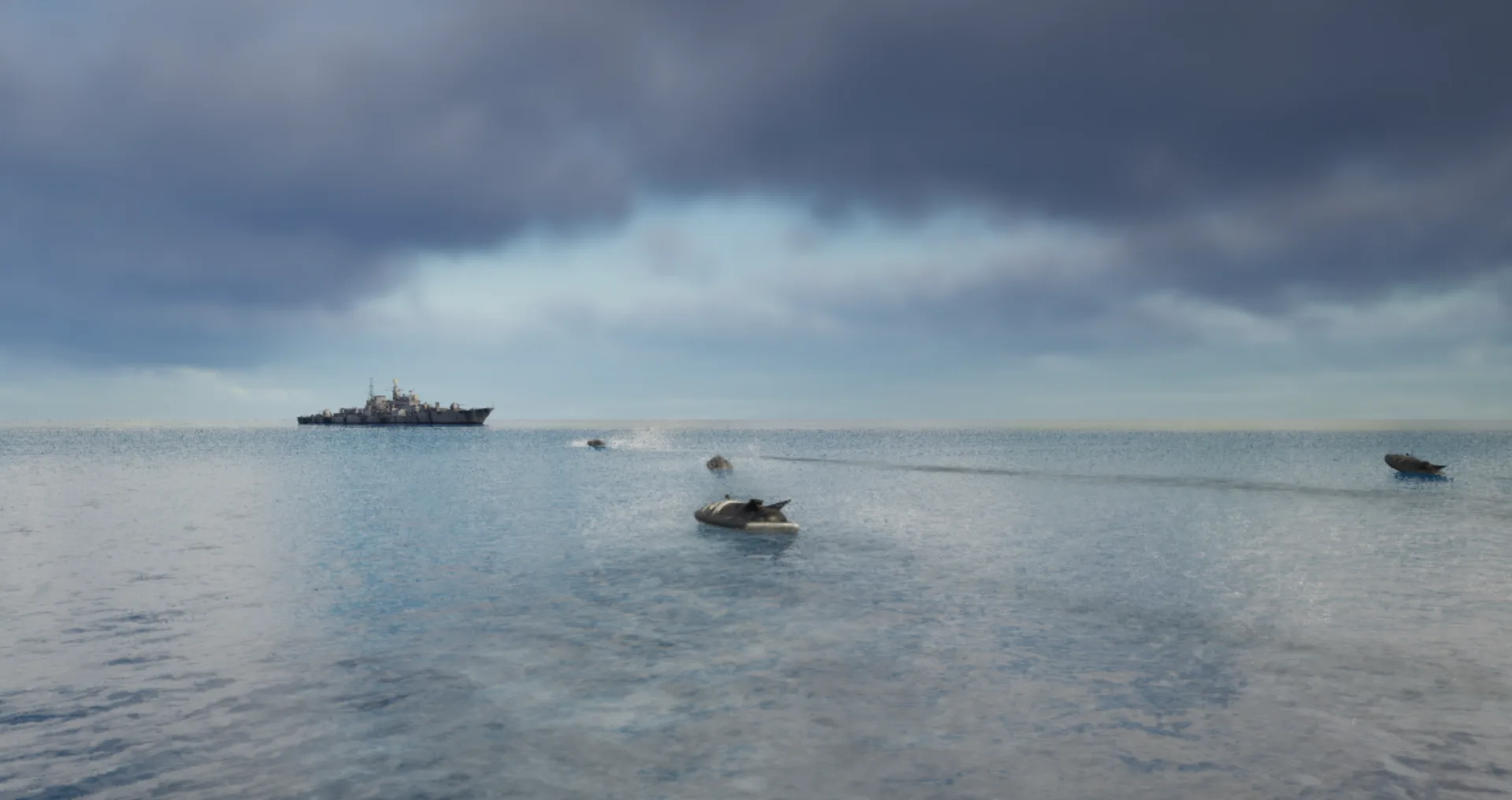
Swarm Defense Testing: Measuring Intercepts, Not Detections
Why no volume of captured data validates swarm defense: adversarial scenarios generated live around the system under test, scored as intercepts achieved versus hits on the protected vessel across repeatable, parameterizable waves.
AILiveSim
August 17, 2026 • 4 min read
Article
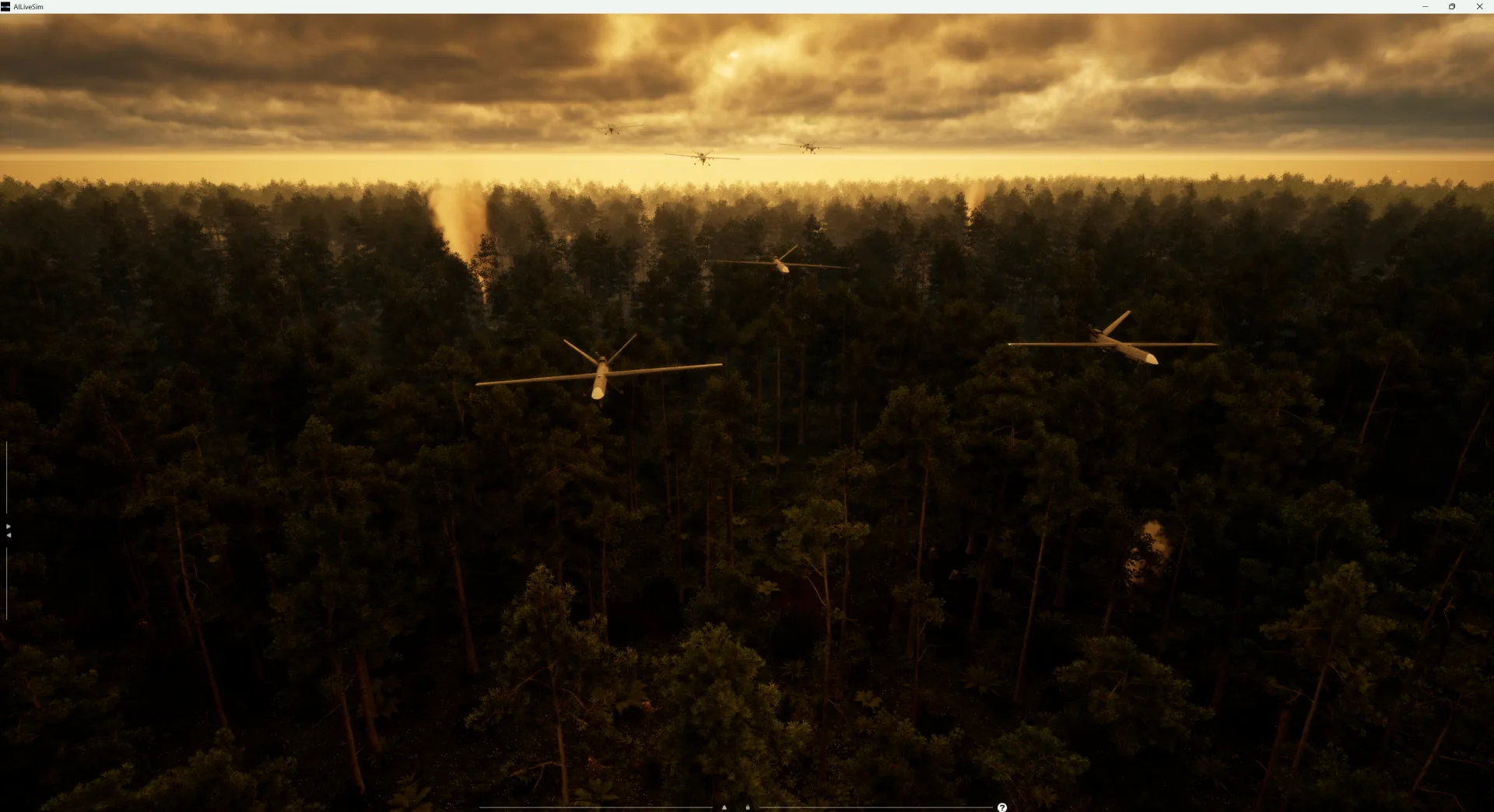
Counter-Drone Detection: Why Precision Fails Before Recall Does
Why counter-drone detection fails on precision before recall: negative-class coverage by sensor channel, and scoring threats neutralized alongside friendlies preserved on repeatable, configurable drone waves.
AILiveSim
August 13, 2026 • 4 min read

Article
What Has to Be Inside an Airport Digital Twin Before It Is Worth Anything
What an airport digital twin must contain before it is worth anything: rare surface conditions, four time-aligned sensors, automatic labelling, and procedural generation that extends to your airport.
AILiveSim
August 10, 2026 • 4 min read


Discover the benefits of synthetic data and simulation
By navigating on this site you agree that we use only minimal cookies required for this site to function. We do not monetize your data.