AI Live Sim

By clicking Subscribe you're confirming that you agree with our Terms and Conditions.
Ship Maneuvering Simulator For Autonomous Ship: 5 Tests To Pass Before Harbor Trials
Key Points
Test 1: Navigation Simulators Validate Mathematical Models for Autonomous Ships Before Harbor Trials
Test 2: Harbor Maneuvering Simulators Integrate Navigation Bridge Systems for Autonomous Harbor Trials
Test 3: Why Collision Avoidance Simulators Must Test Hydrodynamic Forces in Autonomous Ship Harbor Scenarios
Test 4: Docking Simulators Coordinate Tugboat Assistance for Autonomous Ship Harbor Trials
Test 5: Testing Autonomous Ship Environmental Disturbances in Harbor Conditions With Emergency Response Simulators
Did you know ?
Parting Shot
Article
Ship Maneuvering Simulator For Autonomous Ship: 5 Tests To Pass Before Harbor Trials

October 10, 2025 • 12 min read


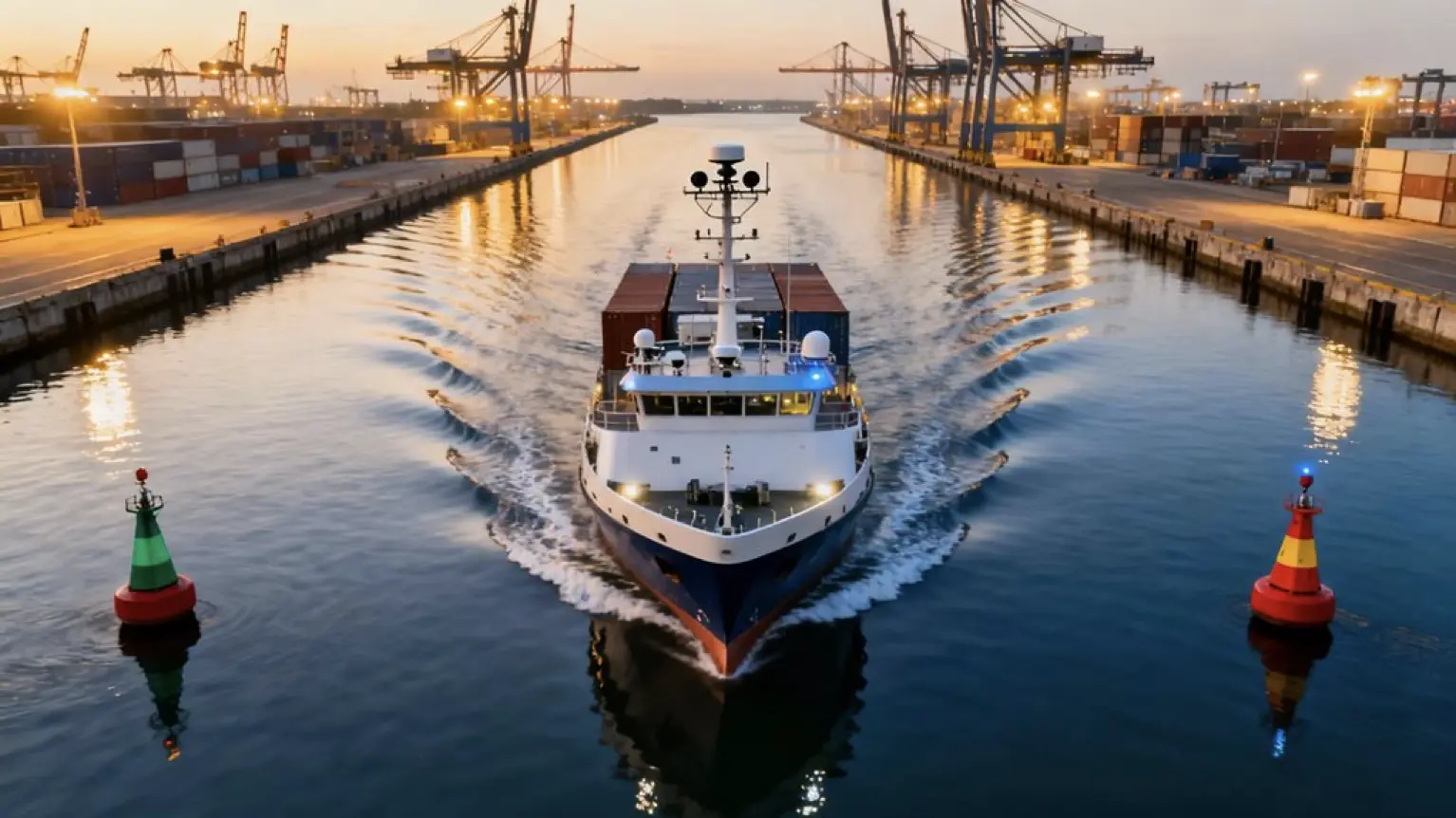
Autonomous ships face five critical simulator tests before entering harbor trials: navigation simulators validate mathematical models using nonlinear Nomoto models and second-order differential equations, harbor maneuvering simulators replicate bridge equipment like ECDIS and radar with 360-degree visuals, collision avoidance simulators model hydrodynamic forces showing 71.8% improvement in path planning, docking simulators coordinate realistic tug-ship interactions, and emergency response simulators challenge vessels with simultaneous failures like control system breakdowns during wave surges. No real-world trials happen without simulator approval because one mistake in active shipping lanes proves catastrophically expensive. The details behind each test reveal why simulations can compress years of trials into months.
Key Points
- ● Validate mathematical models using nonlinear Nomoto equations and second-order differential equations to ensure accurate vessel dynamics prediction.
- ● Test collision avoidance algorithms with hydrodynamic forces, environmental variables, and randomness to achieve superior path planning performance.
- ● Simulate autonomous docking procedures including tug-ship interactions, thrust positioning, and coordination across various weather and traffic scenarios.
- ● Challenge systems with compound emergency scenarios featuring simultaneous failures, sensor noise, wind shears, and communication dropouts during disturbances.
- ● Verify sensor fusion capabilities integrating radar, cameras, and environmental data within realistic 360-degree bridge environments before physical trials.
AILiveSim's expertise areas are in physics-based, multi-sensor simulation and automated synthetic data generation for autonomous maritime systems—covering sensor simulation, model-in-the-loop testing, and digital-twin scenario design; AILiveSim aims to build trust in AI synthetic data and our company, and we are trusted by our customers. Visit our website: AILiveSim
Test 1: Navigation Simulators Validate Mathematical Models for Autonomous Ships Before Harbor Trials
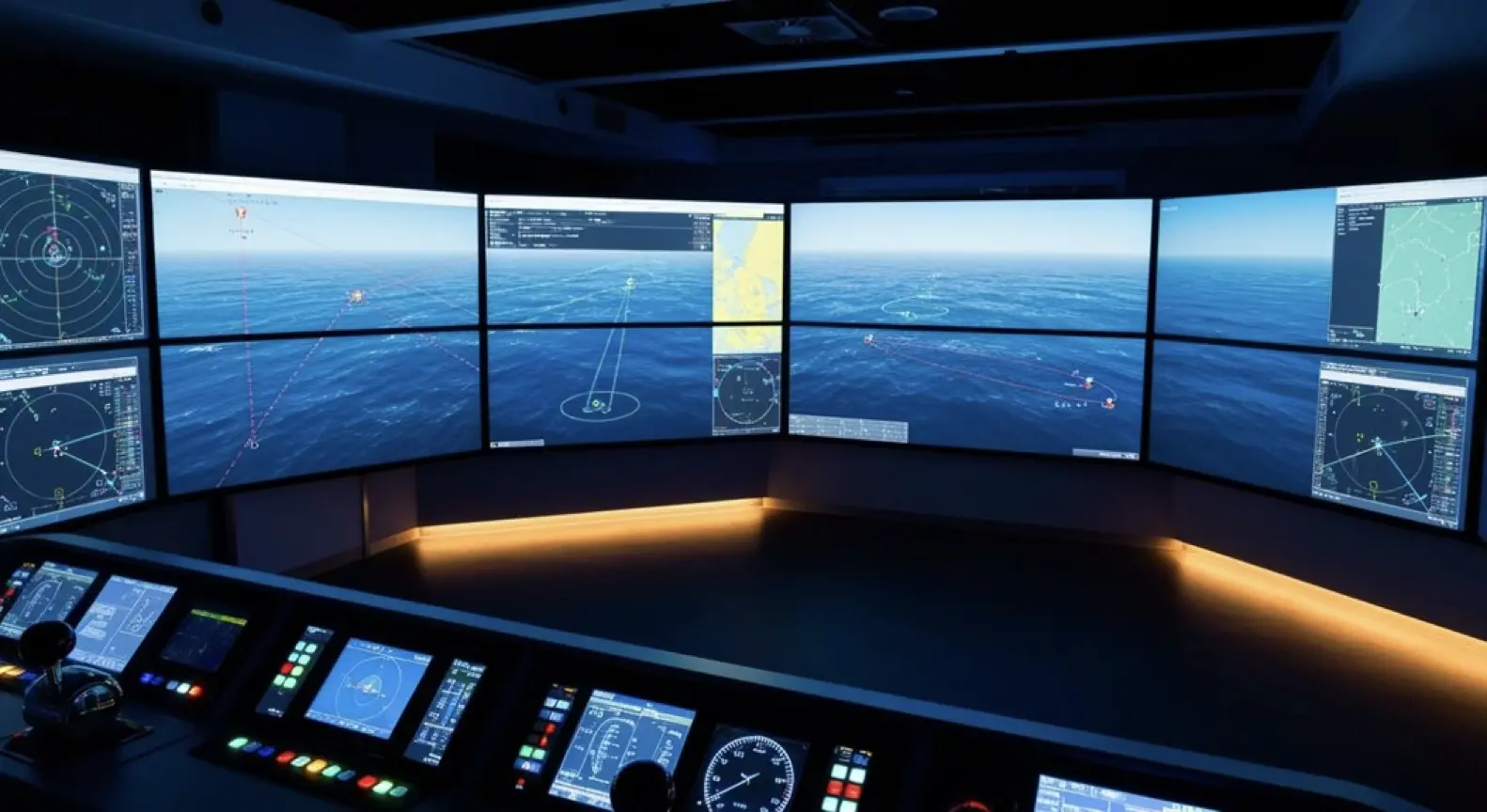
Before any autonomous ship ventures into a harbor for real-world trials, it needs to prove itself in the digital domain first. Think of it as a flight simulator, but for ships—and the stakes are arguably higher given the confined spaces and traffic density of modern ports.
These navigation simulators replicate ship maneuvering scenarios using mathematical models—typically nonlinear Nomoto models with second-order differential equations.
Now, that might sound abstract, but essentially these digital twins represent everything from the vessel’s hull dynamics to its propulsion systems, sensors, and actuators. The math appears to capture how a 300-meter container ship responds differently than, say, a nimble pilot boat when executing a starboard turn at 12 knots.
The goal? Verify the mathematical framework actually works before risking expensive harbor tests—or worse, actual collisions.
Prove the math works digitally before risking million-dollar harbor tests—or catastrophic collisions.
What makes these simulators particularly valuable is their ability to automatically generate diverse test scenarios. They’ll check trajectory accuracy when a vessel encounters unexpected cross-currents. They’ll test COLREG compliance when multiple ships converge at a channel intersection.
Even so, some edge cases likely remain untested, though the coverage tends to be impressively thorough. It’s controlled validation that catches dangerous errors early.
A miscalculated turning radius that looks fine on paper might reveal catastrophic overshooting in simulation. That said, simulators have their limitations—they may not perfectly capture, for instance, the wake effects from passing ferries or the subtle hydrodynamics near quay walls.
No simulator approval means no real-world trial. Period. The maritime industry seems to have learned this lesson the hard way, and regulatory bodies now generally insist on this digital proving ground before green-lighting harbor tests. Wärtsilä has contributed substantially to this ecosystem by providing hardware like 3D screens and control units, along with software components including operating platforms and sea models. International investments in autonomous ships have driven the development of these sophisticated testing environments, with significant international investments fueling advances in simulation technology that reduce both manning costs and the environmental footprint of maritime operations.
Test 2: Harbor Maneuvering Simulators Integrate Navigation Bridge Systems for Autonomous Harbor Trials
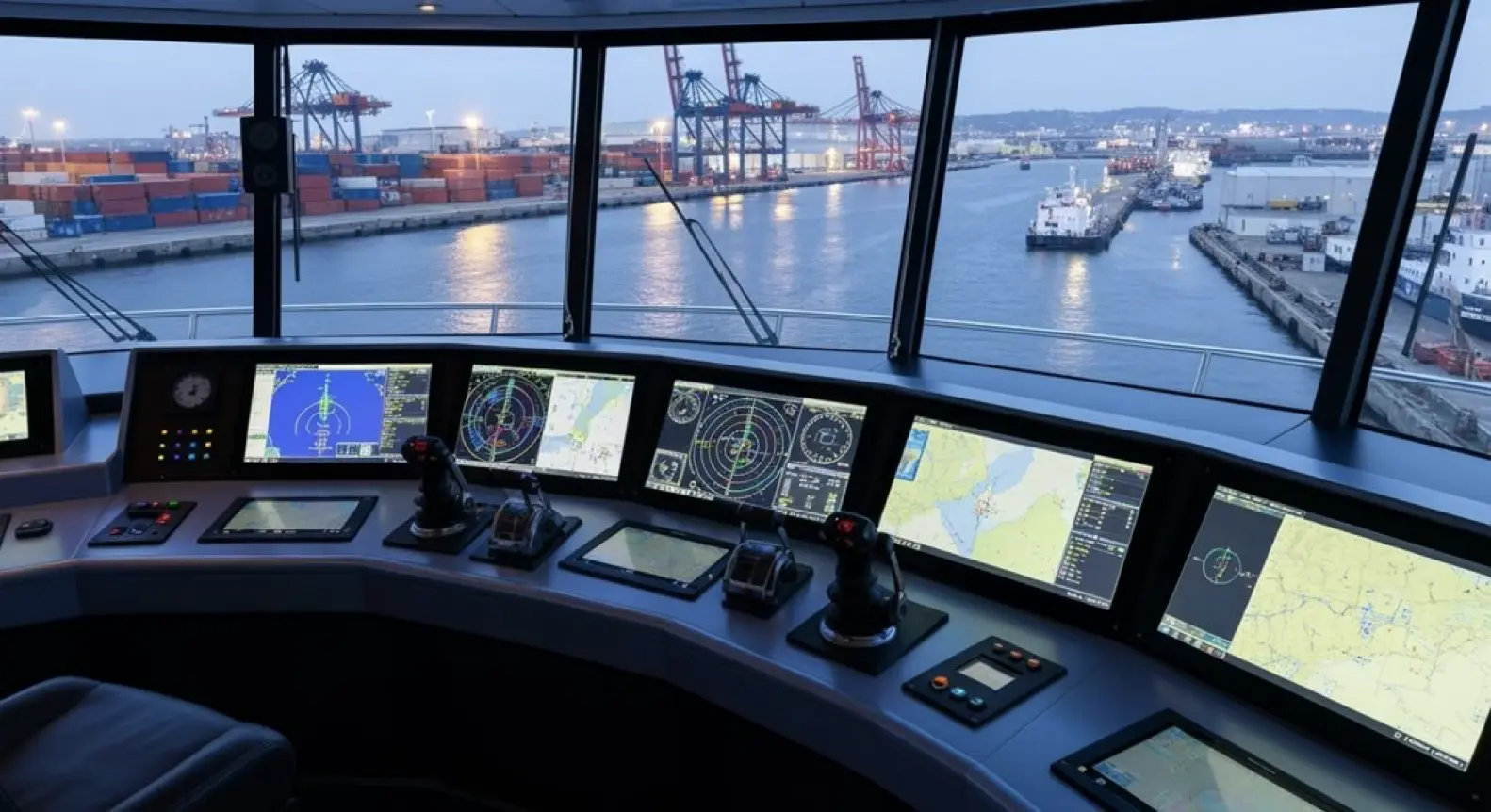
Once the mathematical models pass muster in software, autonomous ships need to prove they can actually interact with the physical hardware that runs a vessel. That’s where harbor maneuvering simulators come in.
These simulators replicate real bridge equipment—everything from ECDIS and radar to ARPA systems, steering consoles, thrusters, and helm controls. The DNV-certified Class A full-mission setups deliver 360-degree visual environments with ultra-high resolution harbor approaches.
It’s not just screens and buttons either. Actual shipboard telegraph and Azi pods get integrated into the setup. The physics engines appear to model hydrodynamics well enough that system responses mirror reality, though perfect replication remains elusive.
What makes these tests particularly valuable is how autonomous algorithms face sensor fusion challenges. Radar, cameras, environmental data—all of it needs to work together. The command logic gets validated here, presumably catching issues that pure software testing might miss. The integrated command centre approach allows Combat Information Centre and Machinery Control stations to function alongside the bridge, enabling comprehensive system validation.
Even so, simulator performance doesn’t always predict real-world behavior perfectly. Variables like unexpected weather patterns or equipment quirks can still surprise you during actual harbor trials.
That said, running these simulations beats the alternative of discovering problems when a vessel is navigating actual shipping lanes. The modular design approach allows teams to configure training environments that match specific vessel types and operational scenarios, ensuring autonomous systems are tested against the exact conditions they’ll encounter. Advanced simulators incorporate real-time data for current, wind, tide, and waves to enhance realism during testing scenarios.
Test 3: Why Collision Avoidance Simulators Must Test Hydrodynamic Forces in Autonomous Ship Harbor Scenarios
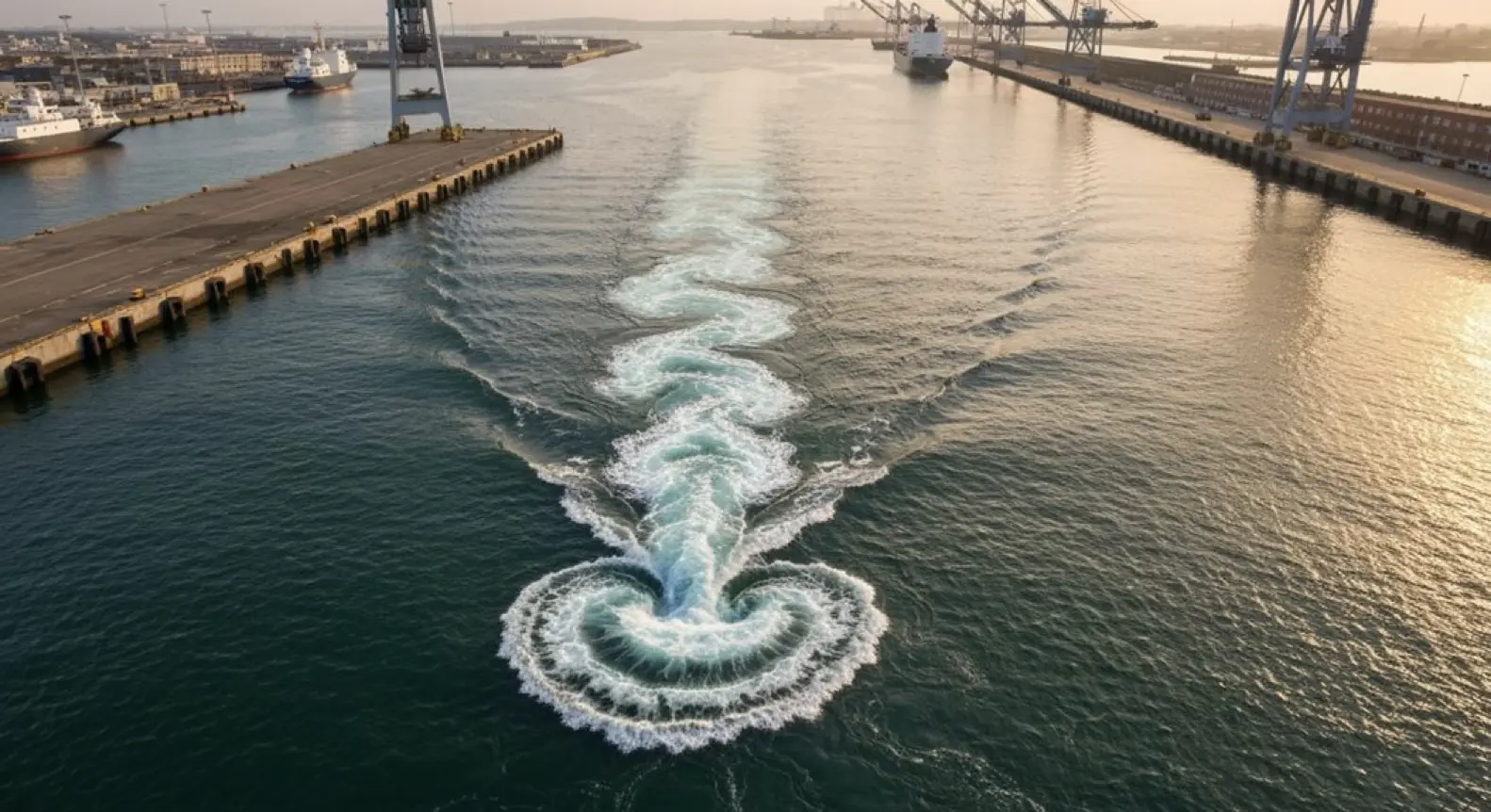
When autonomous ships need to dodge obstacles in crowded harbors, their split-second decisions depend on more than just calculating distances and speeds. The physics matter here—drag, lift, added mass, damping—these hydrodynamic forces actually determine how a vessel responds when it tries to avoid a collision. Skip these calculations? You’ll likely underestimate how far a ship needs to stop or how wide it swings through a turn. In fact, simulators that model these forces appear to achieve 71.8% smoother path planning than those using simple geometry alone.
| Force Type | Impact on Maneuver |
|---|---|
| Drag & Damping | Stopping distance |
| Added Mass | Turn responsiveness |
| Shallow-water Effects | Path drift/oscillation |
Harbor environments make things worse. Variable currents push vessels off course, while bank effects—where proximity to walls or other ships creates suction forces—can destabilize even well-planned maneuvers. Advanced simulators now integrate Dynamic Window Approach principles to evaluate feasible velocity trajectories that account for both kinematic constraints and hydrodynamic responses in real-time. Comprehensive collision risk models must also address the randomness and incomplete information inherent in dynamic maritime environments, where sensor data quality varies and weather conditions shift unpredictably. That said, some might argue that computational overhead limits real-time implementation. Even so, the safety gains seem to justify the extra processing, especially when a container ship weighing 100,000 tons tries to thread between fishing boats and ferry terminals.
Test 4: Docking Simulators Coordinate Tugboat Assistance for Autonomous Ship Harbor Trials
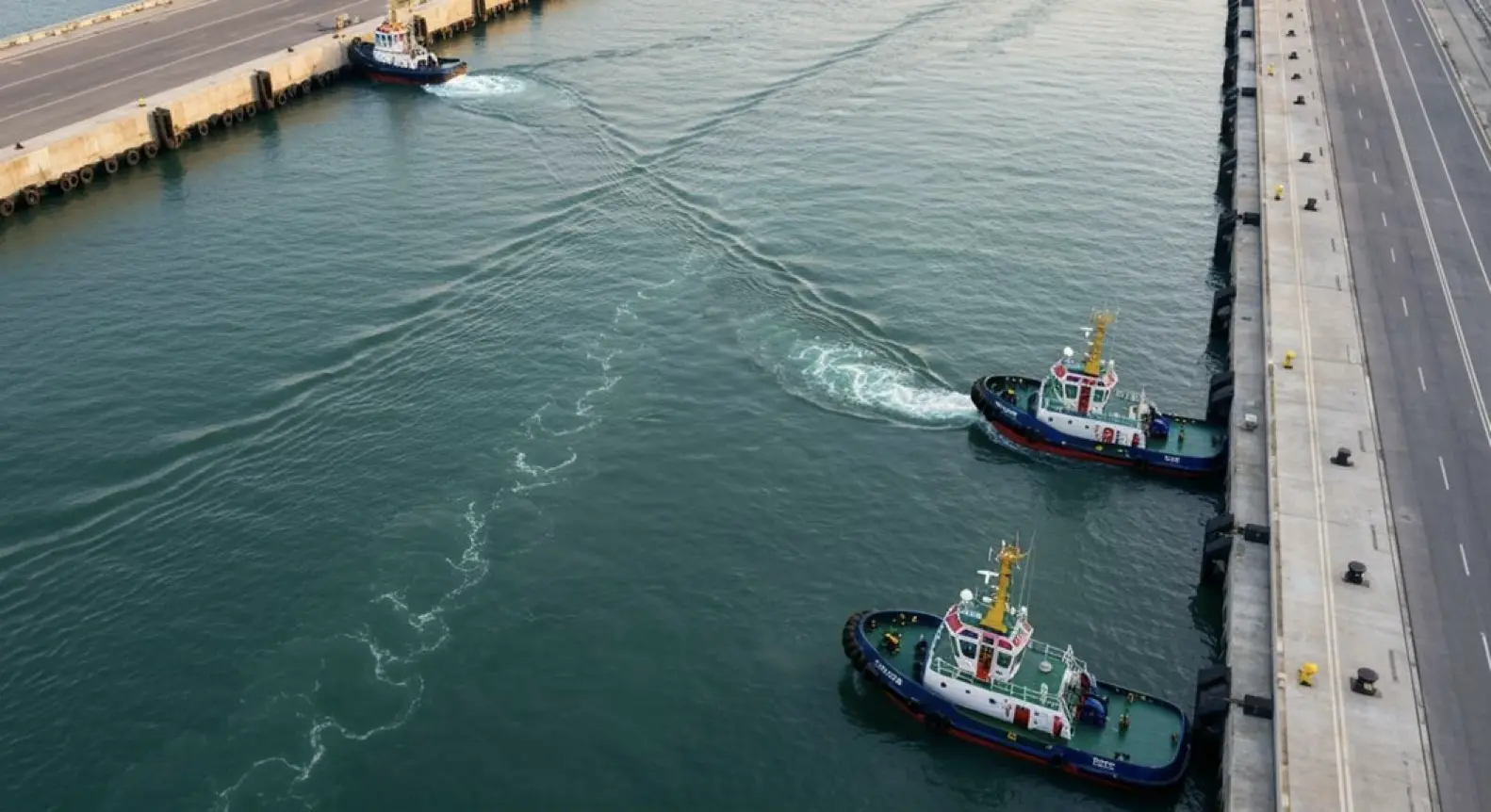
Autonomous ships can plot perfect collision-avoidance paths all day long. But here’s the thing—none of that matters if they can’t actually dock without crashing into a pier.
That’s where docking simulators earn their keep. These high-fidelity digital twins replicate realistic tug-ship interactions—thrust, positioning, dynamic response—under every conceivable weather and traffic scenario. Think howling winds pushing a container ship sideways while three tugs struggle to hold position.
High-fidelity digital twins replicate tug-ship interactions under every conceivable weather and traffic scenario before steel meets concrete.
Sensor fusion systems pull in radar, LiDAR, AIS, and camera feeds to test decision algorithms before any physical trial. The communication protocols? They get hammered with signal degradation and latency spikes that would likely occur when a ship enters a busy port’s electromagnetic soup.
AI control models face cross currents, vessel drift, even tug malfunctions. And it’s not just the routine stuff. The simulators push these systems through worst-case playbooks—what happens when a tug suddenly becomes unavailable or comms black out completely? These scenarios validate emergency responses, though admittedly, some edge cases may prove harder to anticipate than others.
No shortcuts here. Every interaction between ship and tug appears to matter when you’re dealing with thousands of tons of steel approaching a concrete pier. Batch testing in the simulator environment can compress what would take years of real-world trials into just months of validation.
Even so, the real test will always be that first autonomous vessel sliding into an actual berth, tugs churning alongside, with no human hand on the helm.
Test 5: Testing Autonomous Ship Environmental Disturbances in Harbor Conditions With Emergency Response Simulators
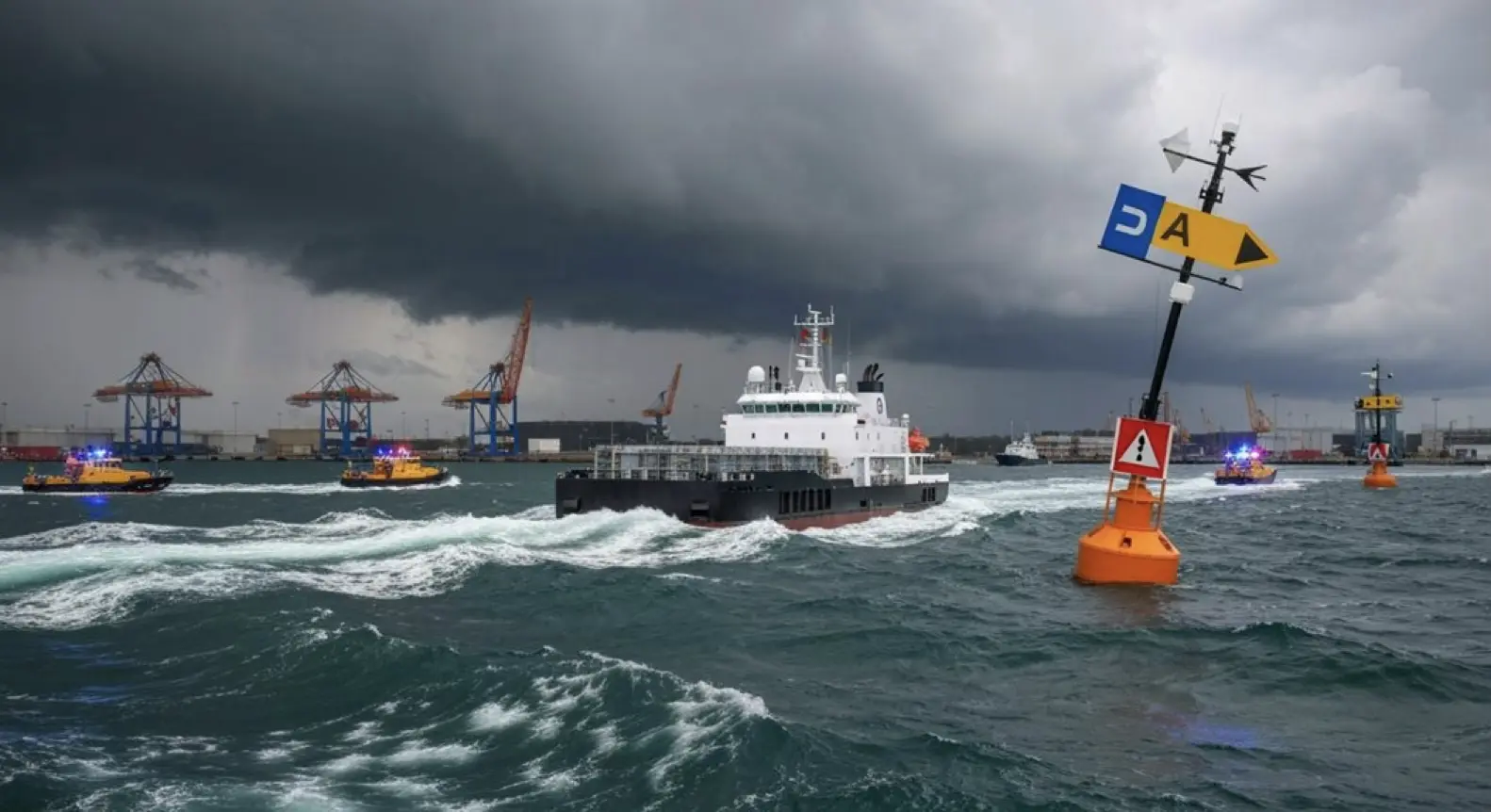
Ships don’t get to pick their weather—and harbors? They certainly don’t care how expensive your AI system is. When environmental disturbances hit in confined waters, they hit hard. We’re talking wind gusts, churning waves, unpredictable currents that can knock even sophisticated vessels off course.
This is where emergency response simulators earn their keep. They throw everything at autonomous vessels: sudden wind shears ripping across the deck, propeller wash from a passing container ship, waves bouncing off harbor walls in patterns that would likely confuse most navigation systems. The autonomous system either adapts or, well, crashes—sometimes literally into the simulation’s virtual pier.
Behind the scenes, nonlinear disturbance observers work to reconstruct these forces in real-time. Advanced filters cut through the sensor noise, though it’s worth noting that “cutting through” might be generous—they’re managing it, at best. These evaluations increasingly factor in ocean hydrodynamics to better represent how water movement affects ship stability and control responses. Performance metrics track the essentials: how accurately the vessel maintains its path, whether it avoids collisions, how quickly it recovers from disruptions.
The real test comes with compound scenarios. Picture this: your main control system fails just as a wave surge hits. Or communication drops out while you’re fighting a four-knot cross-current near the dock. These situations appear to separate functional autonomy from expensive wishful thinking. Given that human error causes 80% of marine casualties, autonomous systems theoretically reduce accident risk—assuming the technology actually works when conditions deteriorate.
No exceptions here. If the autonomous ship can’t handle the chaos—and let’s be honest, harbor conditions often are chaos—then it stays docked.
That said, even the best simulations may not capture every nuance of real-world harbor dynamics. But they’re getting us closer to understanding what these systems can actually handle versus what we hope they might manage someday.
Interested in synthetic data for your project? AILiveSim 2.0 (our new version!) enhances AI-based simulation for multi-sensor autonomous systems - automating data generation, analysis, and augmentation to streamline model training and testing. Find out more: AILiveSim
Did you know ?
What Regulatory Approvals Are Required Before Autonomous Ships Begin Harbor Trials?
Getting flag state authorization is the first hurdle—document all autonomous functions and proposed alternatives. Then coastal and port state approvals for harbor ops. Classification societies issue Approval in Principle. Remote operator qualifications must meet regs.
How Do Shore Control Centers Monitor Autonomous Ships During Simulator Testing?
Shore control centers monitor autonomous ships during simulator testing through real-time feeds from navigation sensors, radar, LiDAR, and AIS. Operators watch centralized dashboards tracking system health, environmental conditions, and vessel performance—though seamless data integration is critical to avoid gaps that could muddle real-time assessment.
What Cybersecurity Measures Protect Autonomous Ship Systems From Potential Threats?
Protecting autonomous ships from cyber threats requires multi-layered defenses: network segmentation to isolate breaches, encryption and authentication, redundant sensors for anomaly detection, real-time intrusion monitoring, regular patching, physical access controls, and secure communication channels with data integrity verification—all supposedly aligned with IMO guidelines, though enforcement varies.
How Long Does Complete Simulator Testing Take Before Actual Harbor Trials?
Simulator testing runs several weeks to six months, depending on system complexity and regulatory needs. Think of it as rehearsing for opening night—you run scenarios until ready. Most operators favor longer timelines: better to catch issues in simulation than during harbor trials.
What Insurance Requirements Apply to Autonomous Ships During Harbor Trial Phases?
The IMO's interim guidelines require autonomous ships in harbor trials to carry insurance comparable to conventional vessels—P&I liability remains essential, while cyber risk coverage has grown critical. Third-party damage protection can't be waived, and documentation must now prove autonomous system reliability alongside traditional safety measures.
Parting Shot
Think of autonomous ships as students facing final exams. Short test? No. Complex preparation unfolds across five critical scenarios: navigation mathematics that must compute perfectly, bridge integration systems that synchronize like clockwork, collision physics demanding split-second calculations, tugboat coordination requiring seamless communication, and emergency protocols where every second counts against catastrophe. The simulator is their practice test. Without it, harbor trials remain a distant dream.
Can you imagine sending an untested vessel into crowded waters? Reality doesn’t negotiate. Steel meets concrete when calculations fail; warning lights flash unnoticed when integration falters; vessels collide when physics gets ignored. Unforgiving.
Pass all five simulator tests. Pass all five simulator tests. Pass all five simulator tests—or stay docked forever. Because out there, beyond the breakwater, the ocean grades with waves and wind and weather that never sleep. Never.
Each scenario represents a chapter they must master. In navigation math, algorithms calculate trajectories through shifting currents. Through bridge integration, systems merge human oversight with machine precision. Collision physics transforms abstract formulas into life-saving maneuvers. Meanwhile, tugboat coordination orchestrates a ballet of massive vessels in tight quarters; emergency protocols prepare for fires, floods, mechanical failures—disasters that strike without warning.
No shortcuts exist. None whatsoever.
Before autonomous ships earn their place in harbors worldwide, they face this gauntlet of digital trials where failure costs nothing but teaches everything. You wouldn’t trust a surgeon who skipped anatomy class. Why trust a ship that hasn’t conquered every simulation? The maritime world demands complete preparation: one missed warning sign triggers catastrophe, one failed calculation spawns collision, one overlooked protocol invites disaster.
Harbor trials await only the worthy. The simulator decides who qualifies.
Resources
Explore Our Latest Insights
Stay informed with our expert articles and updates.
Article
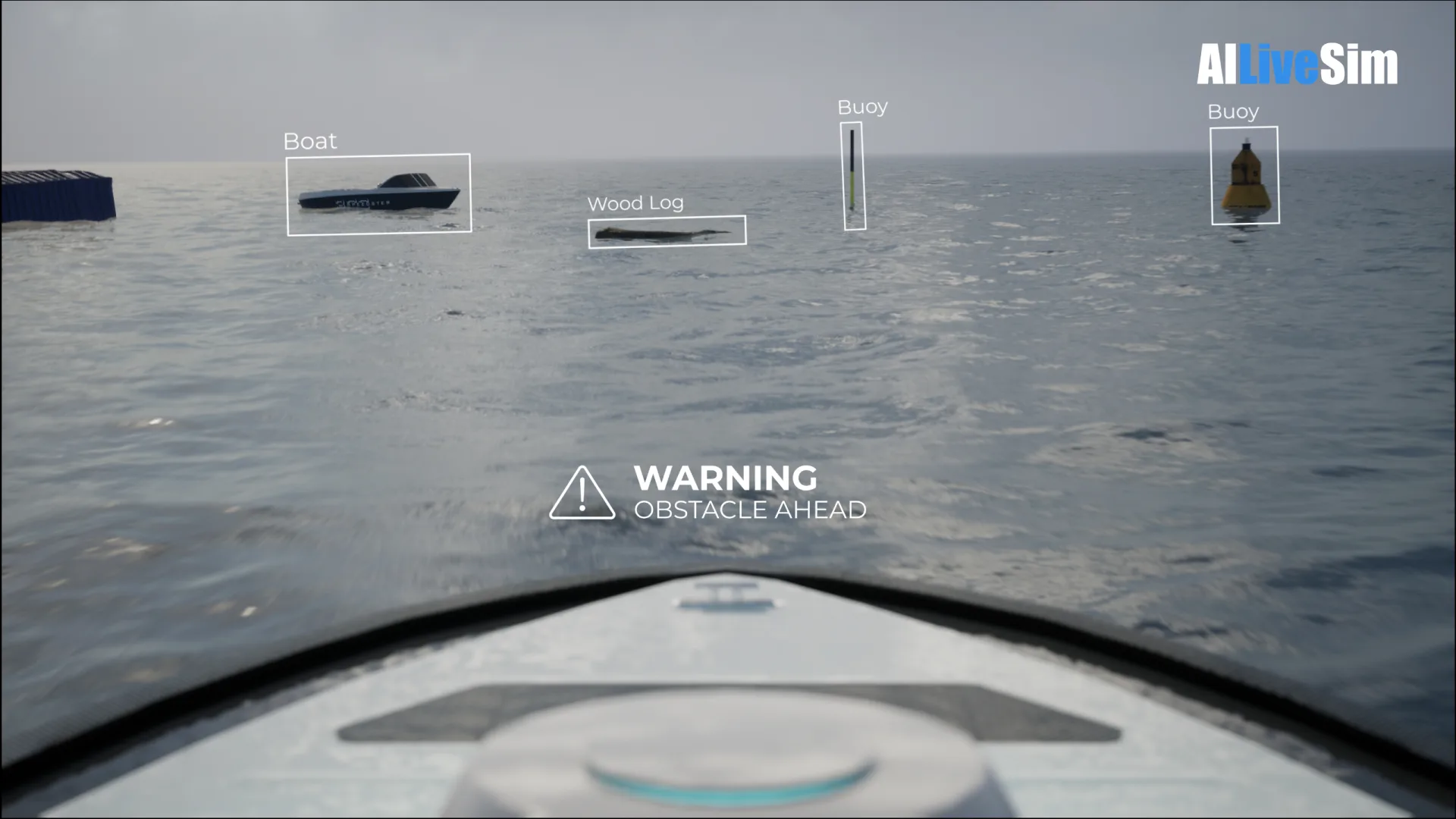
Have You Tested Enough? Intelligent System Testing and the Coverage Problem
Test volume measures effort, not proof. How Intelligent System Testing samples scenarios adaptively to map where an autonomous system works, where it fails, and which combination of conditions moves it from one to the other.

AILiveSim
August 22, 2026 • 4 min read
Article
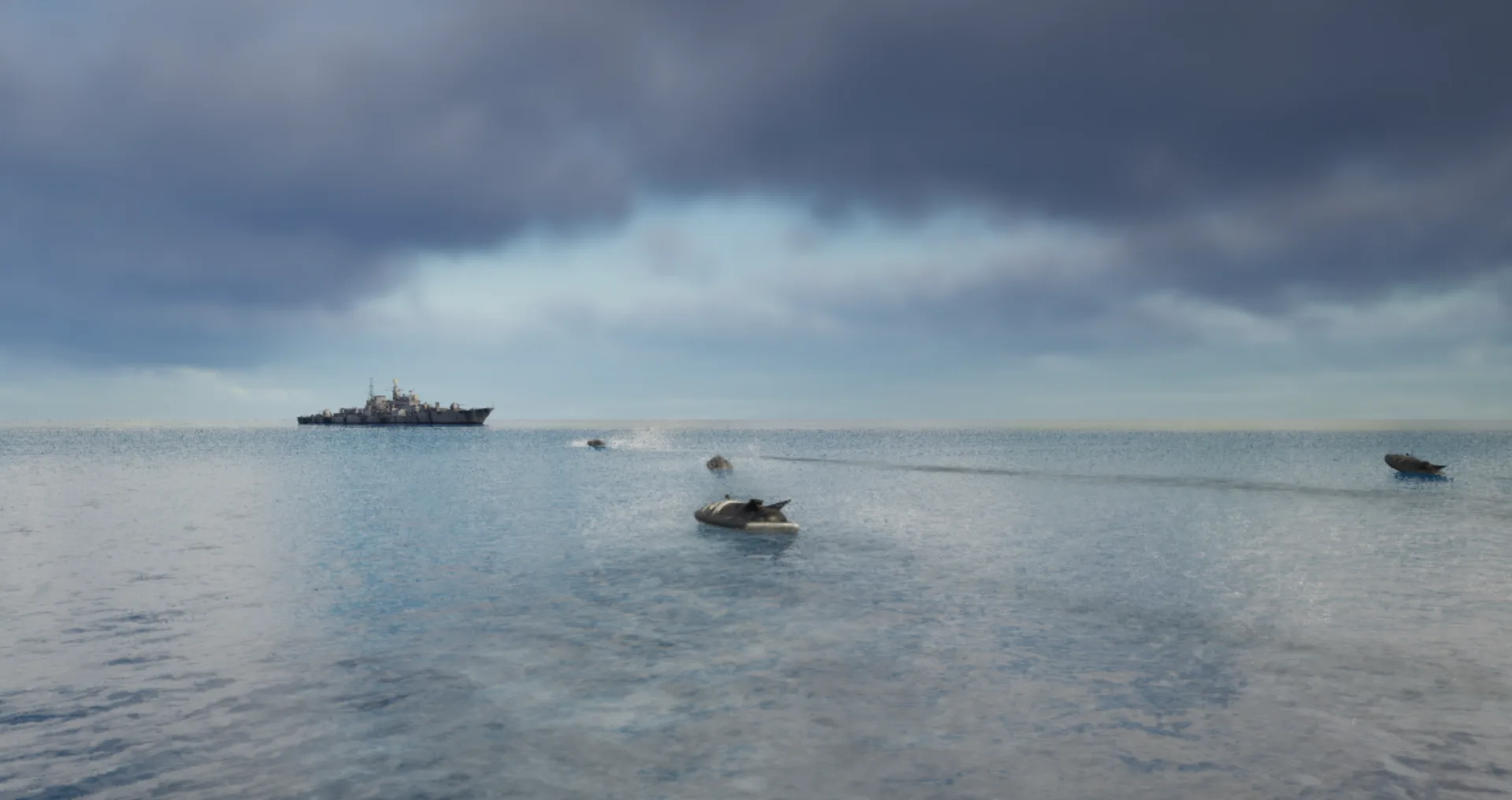
Swarm Defense Testing: Measuring Intercepts, Not Detections
Why no volume of captured data validates swarm defense: adversarial scenarios generated live around the system under test, scored as intercepts achieved versus hits on the protected vessel across repeatable, parameterizable waves.
AILiveSim
August 17, 2026 • 4 min read
Article
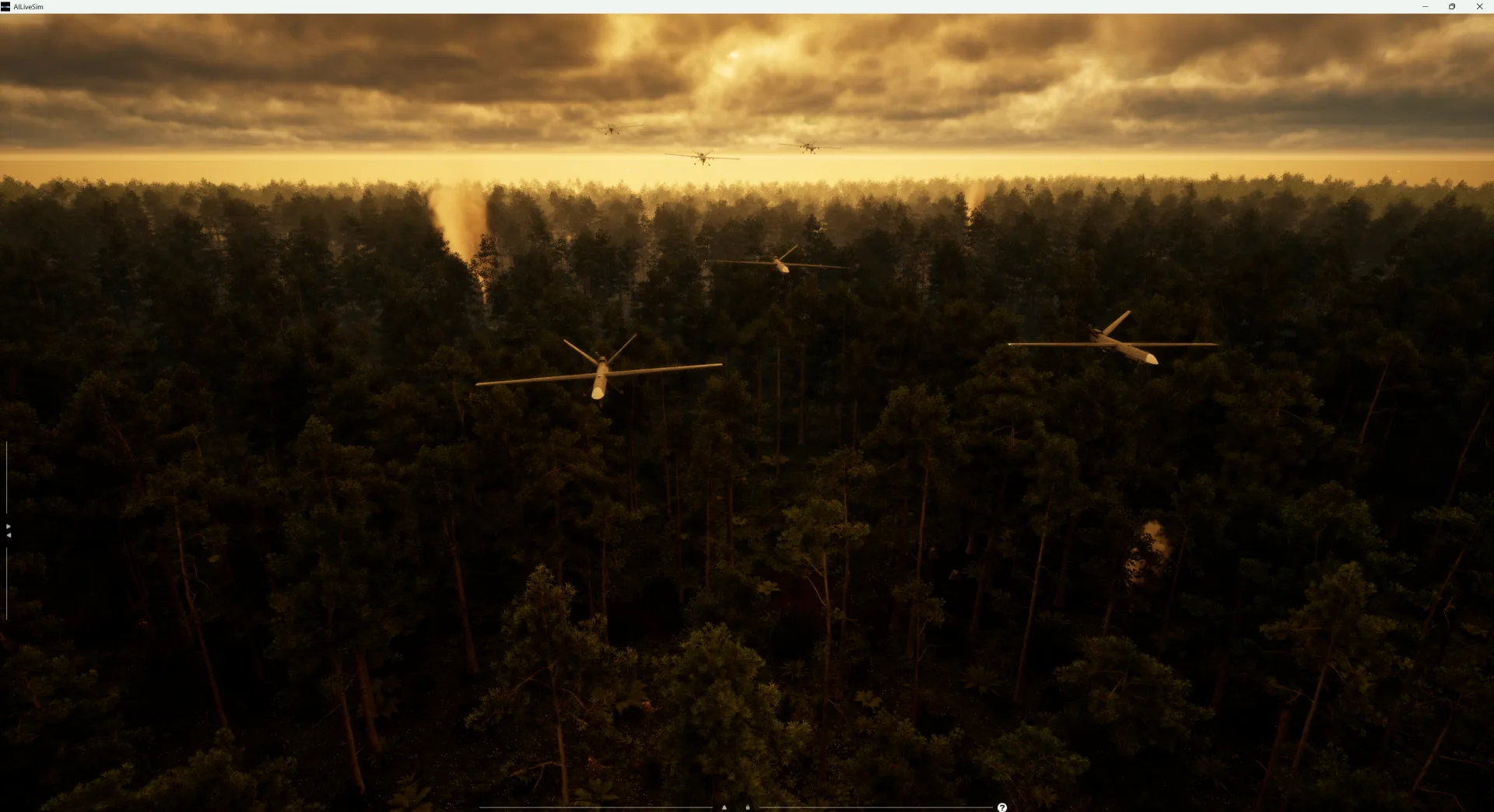
Counter-Drone Detection: Why Precision Fails Before Recall Does
Why counter-drone detection fails on precision before recall: negative-class coverage by sensor channel, and scoring threats neutralized alongside friendlies preserved on repeatable, configurable drone waves.
AILiveSim
August 13, 2026 • 4 min read
Article
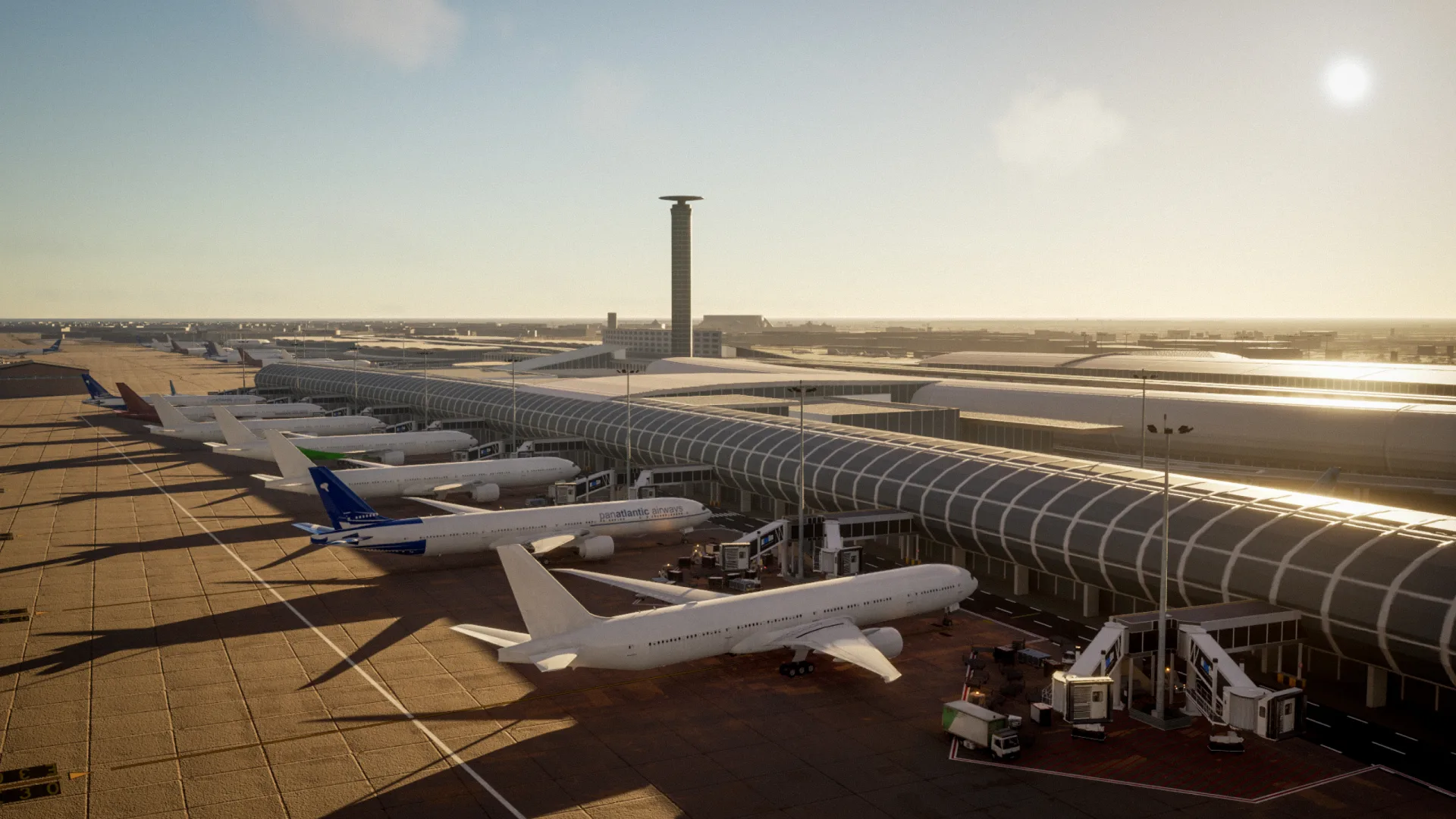
What Has to Be Inside an Airport Digital Twin Before It Is Worth Anything
What an airport digital twin must contain before it is worth anything: rare surface conditions, four time-aligned sensors, automatic labelling, and procedural generation that extends to your airport.
AILiveSim
August 10, 2026 • 4 min read
Discover the benefits of synthetic data and simulation
By navigating on this site you agree that we use only minimal cookies required for this site to function. We do not monetize your data.