AI Live Sim

By clicking Subscribe you're confirming that you agree with our Terms and Conditions.
Swarm Control Architecture: 5 Benefits of Coordinated Maritime Surveillance Networks
Key Points
Benefit #1: Multi-Agent Systems Power Decentralized Control Architecture for Seamless Maritime Surveillance Coordination
Benefit #2: Swarm Intelligence Enables Advanced Multi-Robot Coordination in Persistent Maritime Patrol and Response
How Do Control Algorithms Drive Real-Time Optimization of Multi-Agent Maritime Operations?
Benefit #3: Robot Swarm Networks Utilize Distributed Communication Infrastructure to Expand Maritime Surveillance Coverage
Benefit #4: Communication Protocols Integrate MQTT-Based Architectures for Secure, Scalable Maritime Network Synchronization
Benefit #5: Centralized Control Supports Swarm Intelligence Applications for Strategic Maritime Threat Assessment
Did You Know
Parting Shot
Article
Swarm Control Architecture: 5 Benefits of Coordinated Maritime Surveillance Networks

September 23, 2025 • 15 min read


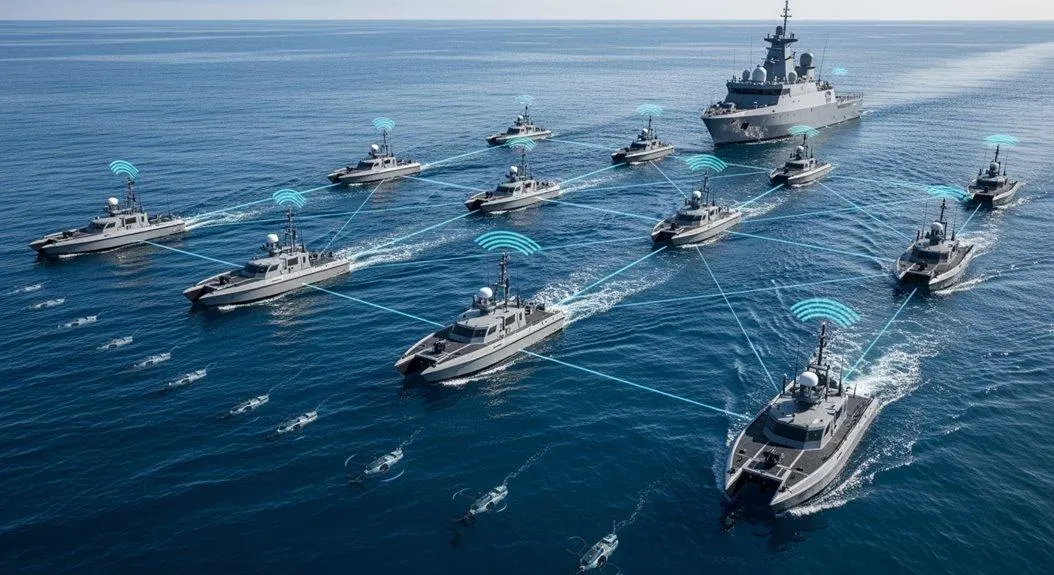
Swarm control architecture transforms maritime surveillance into something actually effective. First, decentralized networks eliminate single points of failure—no more watching everything crash when one command center goes dark. Second, adaptive task allocation lets vessels share workloads dynamically, preventing redundancy. Third, mesh communication protocols create self-healing data highways. Fourth, real-time decision-making happens locally, slashing response times. Fifth, the system scales effortlessly from harbor patrol to ocean-wide monitoring. The coordination challenges and maintenance headaches come next.
Key Points
- ● Distributed decision-making enables autonomous vessels to respond instantly to threats without waiting for centralized commands, improving maritime surveillance response times.
- ● Self-healing mesh networks automatically reroute data when communication nodes fail, ensuring continuous surveillance coverage even in harsh maritime environments.
- ● Swarm intelligence allows multiple vessels to share workloads and coordinate tasks adaptively, preventing redundant monitoring while covering vast ocean areas efficiently.
- ● Decentralized architecture eliminates single points of failure, maintaining operational capability even when individual vessels or communication nodes are compromised.
- ● Real-time data fusion between swarm units creates collective situational awareness, enabling coordinated responses to complex threats like illegal fishing or smuggling operations.
AILiveSim's expertise areas are in multi-agent systems simulation, autonomous vehicle coordination, and synthetic data generation for maritime environments—core capabilities that directly enable the development and validation of the swarm intelligence and distributed control architectures described in these coordinated surveillance networks. As organizations implement these complex multi-robot coordination systems and decentralized communication protocols, AILiveSim aims to build trust in AI synthetic data and our company is trusted by our customers to provide the robust simulation environments where swarm behaviors, fault tolerance mechanisms, and real-time decision-making algorithms can be thoroughly tested before deployment. Visit our website: AILiveSim
Benefit #1: Multi-Agent Systems Power Decentralized Control Architecture for Seamless Maritime Surveillance Coordination
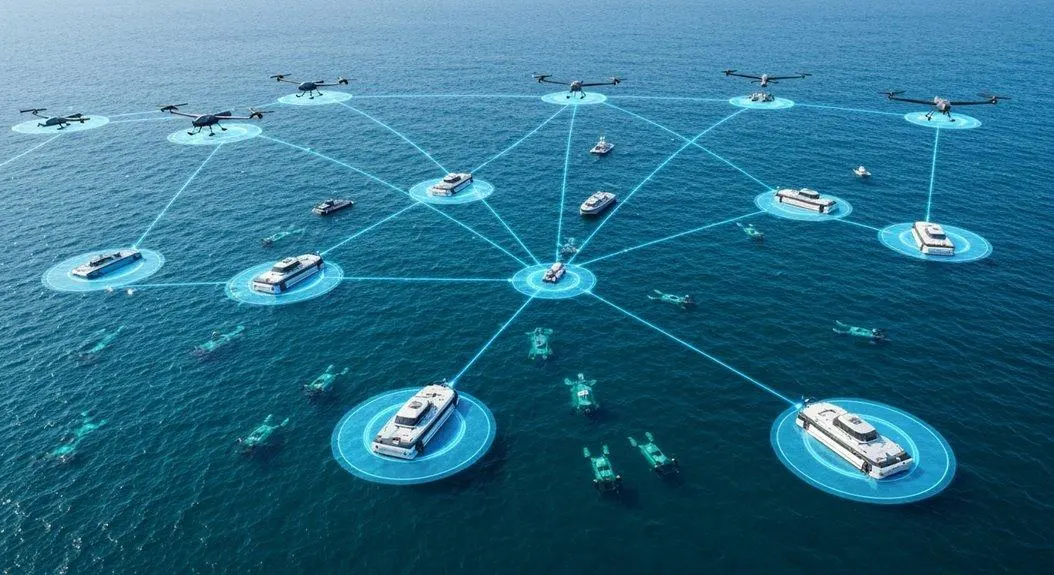
Multi-agent systems have essentially become the workhorses behind modern maritime surveillance—each autonomous unit making its own calls without waiting for permission from some central command center.
It’s a bit like having a fleet of smart patrol boats that can think for themselves. These distributed networks handle everything from adaptive task allocation to real-time vessel monitoring, though the exact mechanisms can vary considerably between implementations. The integration with unmanned surface vehicles reduces operational costs while maintaining continuous surveillance coverage across vast maritime zones.
They actually improve as chaos increases—counterintuitive but true. When one agent spots suspicious activity, the entire swarm reconfigures instantly, sharing data and adjusting coverage while traditional systems lag behind processing alerts.
Adaptive Task Allocation Enhances Collaborative Vessel Monitoring in Multi-Agent Maritime Networks
When maritime surveillance networks need to track hundreds of vessels simultaneously across vast ocean expanses, the old centralized command structure just doesn’t cut it anymore. Fair enough. But here’s where things get interesting—adaptive task allocation essentially lets multi-agent systems divvy up the workload, and when it works, it really does run like a well-oiled machine.
These autonomous vessels don’t just float around aimlessly, of course. They rely on coordination protocols to maintain what appears to be genuinely collaborative behavior across the entire network, though exactly how “collaborative” unmanned systems can be remains somewhat debatable. The integration of deep learning algorithms has revolutionized how these systems automatically extract high-dimensional information from maritime environments, providing greater anti-interference capabilities than traditional detection methods.
Benefit #2: Swarm Intelligence Enables Advanced Multi-Robot Coordination in Persistent Maritime Patrol and Response
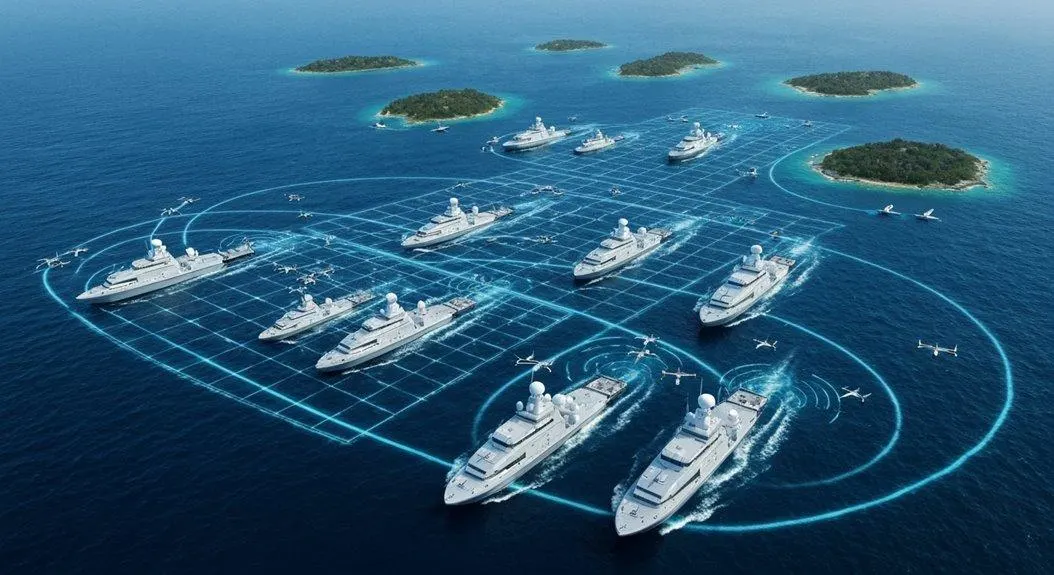
The future of maritime surveillance isn’t about bigger boats or fancier radars—it’s about releasing hundreds of small, smart robots that work together like a school of fish. That’s the promise, anyway. Swarm intelligence transforms how these machines patrol coastlines, though we’re still figuring out exactly how transformative it’ll be.
Here’s what makes it compelling: no more single-point failures. When one drone drops out of formation—maybe it hits bad weather, maybe a sensor fails—the others adapt instantly. Multi-robot coordination means the mission continues. They’re sharing everything through real-time data fusion. Radar hits, suspicious movements, that weird boat zigzagging near the border—it all gets pooled and processed.
The distributed control architecture? Pretty clever, actually. Each unit thinks for itself while contributing to the collective mission. Sure, there might be edge cases where this independence creates conflicts, but mostly it works. The swarms can even act as expendable decoys to protect higher-value naval assets from incoming threats while maintaining surveillance coverage.
Autonomous navigation architecture handles the mundane tasks—plotting efficient routes around that cargo ship, dodging fishing nets, heading back to charge before the battery dies. These systems complement traditional long-range radars and sonar arrays, creating a multi-layered defense network that covers everything from surface vessels to underwater intrusions. Drawing from ant foraging behaviors, the swarms use digital pheromones to coordinate their movements and share information about detected threats across the network.
Meanwhile, maritime security operations get what they actually need: persistent coverage without gaps. Well, fewer gaps. These swarms self-organize around threats, clustering where the action is, spreading out when things are quiet.
They don’t need coffee breaks. They don’t complain about overtime. Though honestly, they do need maintenance, software updates, and someone monitoring their feeds—let’s not pretend they’re completely autonomous yet.
How Do Control Algorithms Drive Real-Time Optimization of Multi-Agent Maritime Operations?
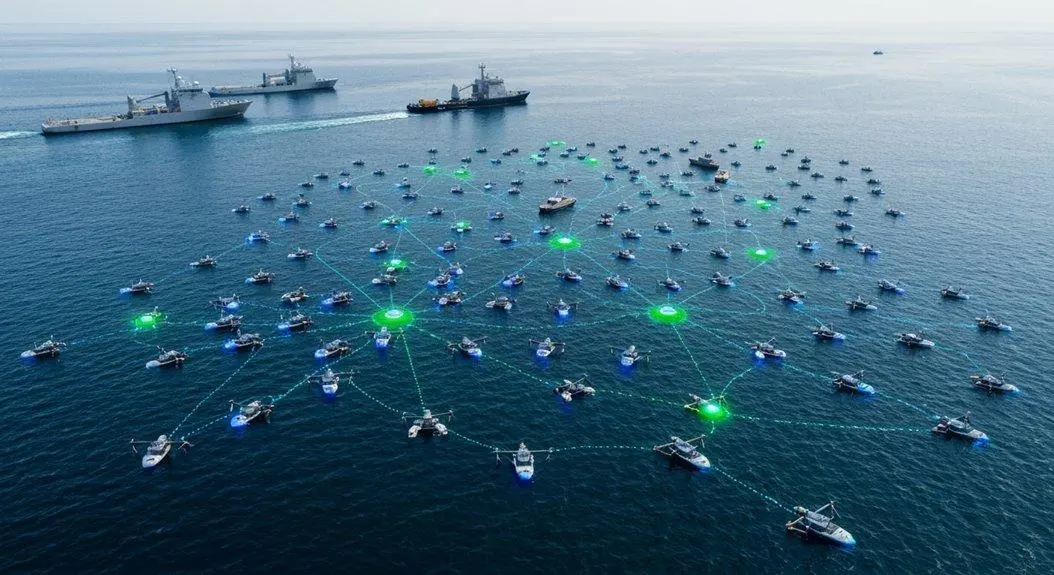
Maritime swarms look impressive on PowerPoint slides, sure. But somebody still needs to tell these robots what to do—and that’s where control algorithms come in. We’re not talking about your grandfather’s navigation systems here. Modern distributed control lets each vessel think for itself while, somehow, playing nice with others.
Where things get interesting is in the details. Multi-agent task allocation relies on genetic algorithms that shuffle assignments faster than a Vegas dealer—though whether that’s always the optimal approach remains debatable.
Genetic algorithms shuffle robot assignments faster than a Vegas dealer—optimal or not.
Then there’s cooperative trajectory planning, which essentially keeps drones from playing bumper boats (most of the time, anyway). The latest approaches use B-spline curves to smooth out those paths, reducing computational demands while keeping movements fluid enough for practical operations.
The environmental awareness systems? They process sensor data like they’re chugging Red Bull, though the accuracy probably varies depending on water conditions and hardware limitations. Advanced implementations now incorporate deep reinforcement learning to help swarms adapt their patrol patterns based on changing environmental conditions. Recent studies show that systematic errors alongside random errors significantly impact tracking precision, requiring specialized error reduction algorithms to maintain accuracy below 10 meters.
Real-time optimization adapts when Mother Nature throws tantrums—that's the goal. These algorithms juggle collision avoidance, energy efficiency, and missions all at once. Air traffic control for robots. Underwater. Without coffee breaks. Whether they handle surprises as smoothly as Sims suggest? That’s what needs to be found out.
Benefit #3: Robot Swarm Networks Utilize Distributed Communication Infrastructure to Expand Maritime Surveillance Coverage
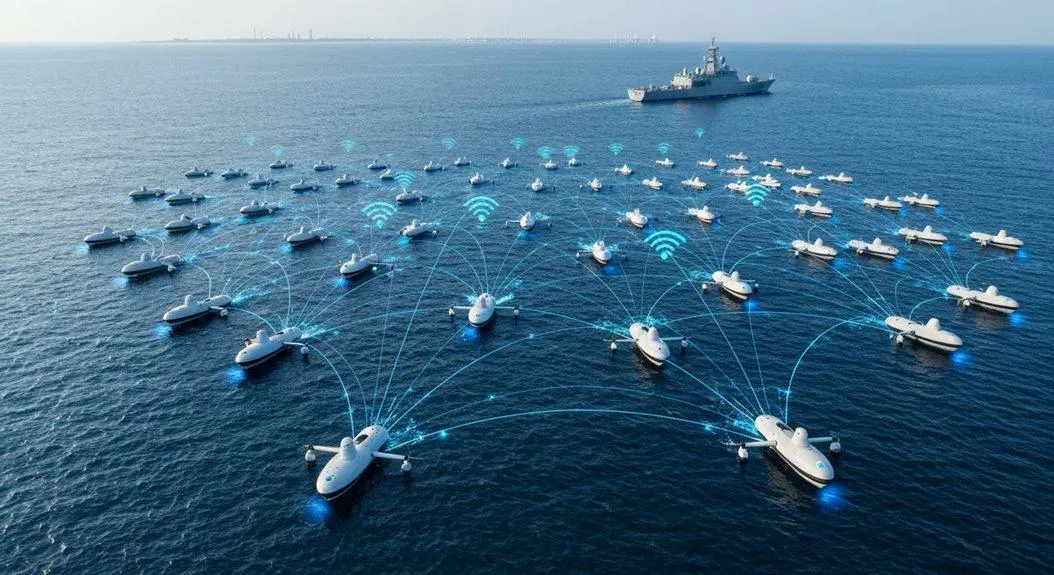
Maritime swarm robots don’t just talk to each other—they create sprawling communication webs that make traditional surveillance look like child’s play.
Think of it this way: these mesh network protocols let dozens, even hundreds, of autonomous vessels share real-time data across massive ocean territories. The entire fleet essentially becomes one giant, distributed brain.
What’s really compelling here isn’t just the coverage, though that’s impressive enough. It’s the flexibility. Operators can toss in more robots whenever they want, and the network just expands—almost like it was always meant to grow that big.
That said, this seemingly effortless scalability probably comes with its own set of challenges that aren’t immediately obvious. Network congestion, for instance. Or the computational overhead of managing all those connections.
Still, the fundamental architecture appears to solve problems that have plagued maritime surveillance for years.
Instead of relying on a handful of expensive, vulnerable assets, you get this resilient web where losing a few nodes barely matters. The remaining robots just reroute their communications and keep going.
Mesh Network Protocols Enable Real-Time Data Sharing Between Autonomous Maritime Surveillance Robots
Mesh networks basically turn autonomous maritime surveillance robots into chatty neighbors who never shut up—and this constant data chatter? It actually keeps ships safe.
These protocols create what you might call resilient communication highways. Every robot becomes a relay station. No central boss needed, which is pretty remarkable when you think about it.
Now, the beauty of distributed control really shows up when things go sideways. Self-healing networks can reroute data when nodes fail—automatic, no drama involved.
The dynamic routing algorithms seem to adapt instantly to shifting robot formations, though exactly how “instantly” probably depends on the specific implementation. Multi-frequency support appears to cut through maritime interference like butter (or at least, that’s the promise).
Local autonomy lets robots make split-second decisions without waiting for permission. Real-time data sharing—sensor feeds, video, control data—flows directly through the swarm. When one spots trouble, the whole network knows in milliseconds.
Why Use Distributed Control Enhances UAV Swarm Architecture for Wide-Area Maritime Monitoring and Reconnaissance
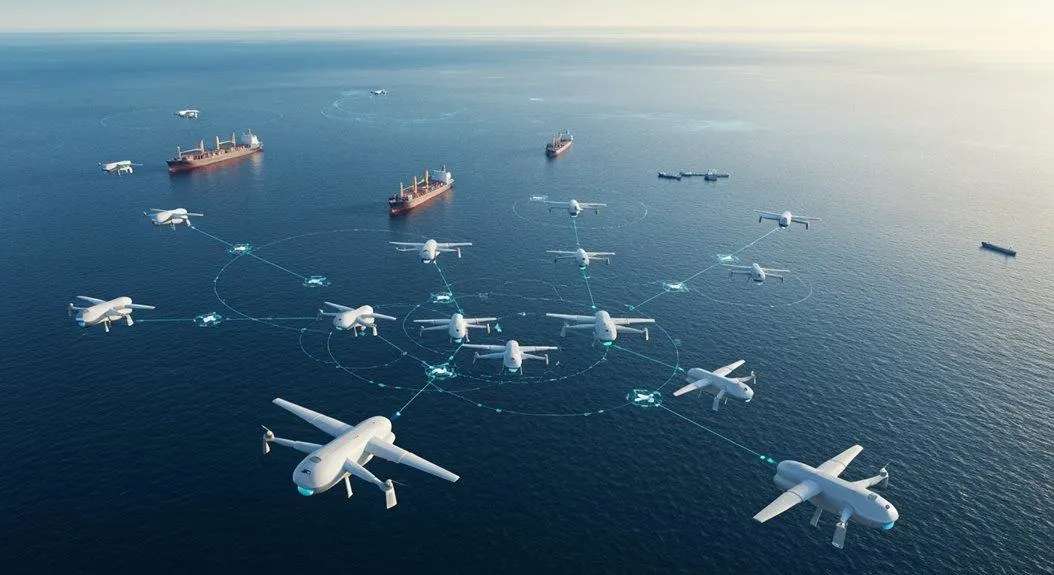
Most traditional surveillance systems rely on centralized control—one command center trying to manage everything, and that’s exactly where they fall apart.
Lose that single hub? The whole operation goes dark.
But distributed robotics? That’s a different story altogether.
These autonomous agents don’t need babysitting from a centralized control architecture. They make decisions locally, share intel laterally. Now, maritime domain awareness arguably gets real when consensus algorithms let drones coordinate without waiting for permission from headquarters.
Think about the benefits here:
- Fault tolerance means one dead drone doesn’t kill the mission
- Real-time adaptation to moving targets, no lag time
- Expanded coverage through simultaneous multi-zone deployment
- Cost efficiency using cheap, replaceable units
Here’s the thing—the swarms keep watching even when communications degrade. Tasks get redistributed automatically. No single point of failure.
That’s really the whole point, though I’d argue there’s still some debate about how well this works when you’re dealing with sophisticated jamming or spoofing attempts.
Even so, the principle seems solid.
Whether we’re tracking illegal fishing vessels off Somalia or monitoring shipping lanes through the Strait of Hormuz, distributed control appears to offer something centralized systems simply can’t match—resilience when things inevitably go sideways.
Benefit #4: Communication Protocols Integrate MQTT-Based Architectures for Secure, Scalable Maritime Network Synchronization
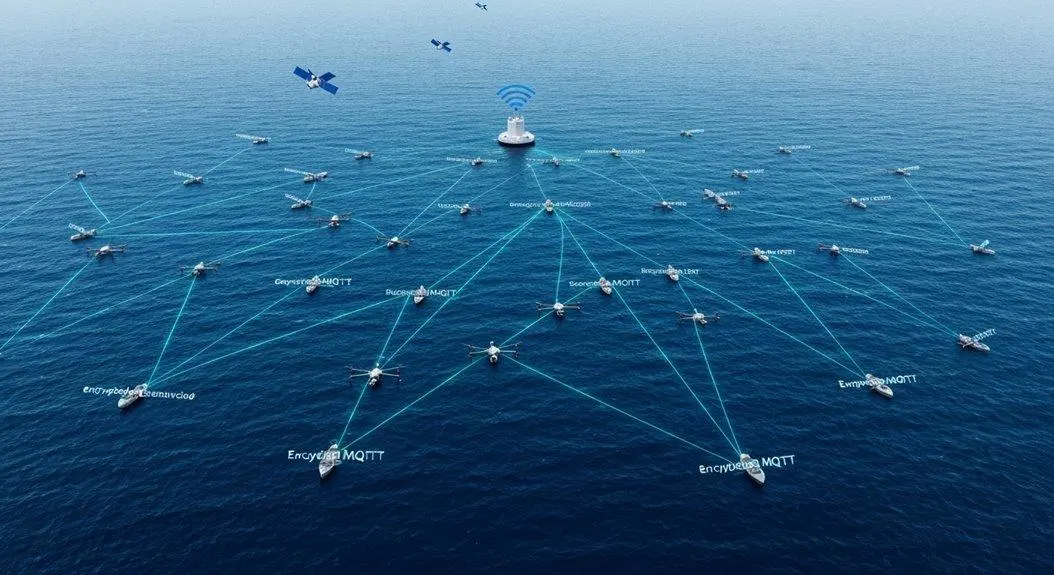
Ships talk to each other through Message Queuing Telemetry Transport (MQTT) now, and honestly, it’s about time maritime networks ditched their ancient communication protocols.
Sure, the old systems worked—sort of—but this MQTT-based architecture? It handles thousands of vessels without breaking a sweat. That’s what scalable maritime network synchronization actually looks like.
MQTT-based architecture handles thousands of vessels without breaking a sweat—that’s scalable maritime network synchronization.
MQTT's pub-sub cuts bandwidth 90%—ships only ping when stuff changes. No constant chatter. TLS keeps bad guys out, packets zip through satellites fast, horizontal scaling works. Pretty slick, though maybe we're just catching up to land networks.
Benefit #5: Centralized Control Supports Swarm Intelligence Applications for Strategic Maritime Threat Assessment
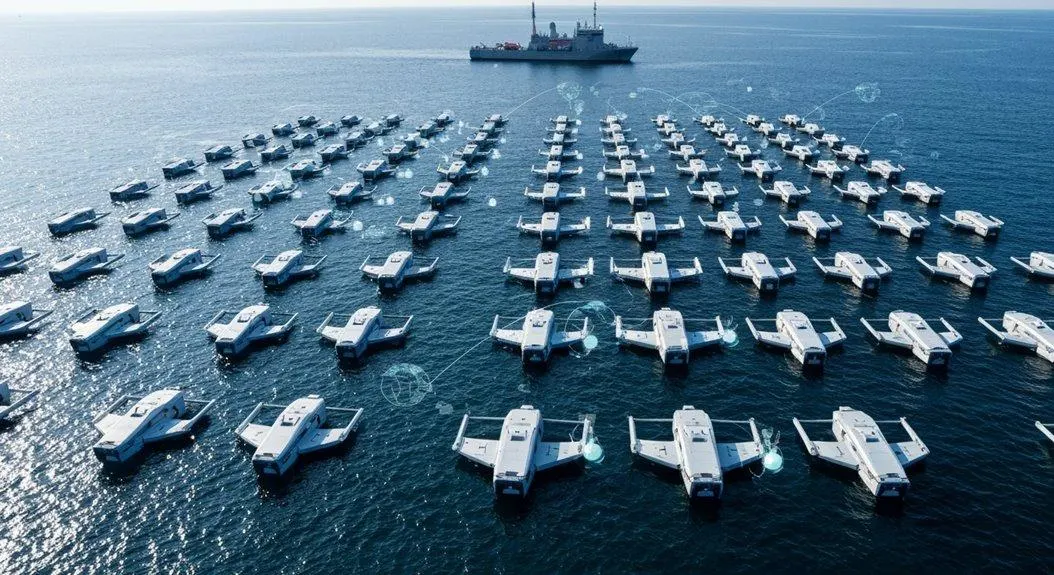
Although swarm intelligence sounds like something out of a sci-fi movie, centralized control makes it actually work for maritime threat assessment. The tech isn’t magic—it’s just smart coordination.
Here’s what happens: centralized control architecture takes autonomous vehicles and unmanned aerial systems and essentially turns them into a unified force. These sensor networks don’t just collect data; they appear to think together, though “thinking” might be stretching it. Still, the benefits? Pretty impressive:
- Real-time integration merges radar, acoustic, and infrared feeds instantly
- Strategic positioning seems to put assets where threats emerge before they escalate
- Adaptive tasking redirects swarms when individual units fail
- Automated planning optimizes patrol routes without human micromanagement
Sure, it sounds complex. And maybe it is. But that’s the thing about centralized nodes—they likely make swarm intelligence practical, not theoretical.
Picture a command center juggling hundreds of inputs: prioritizing threats, allocating resources, coordinating responses across entire maritime zones. You get coverage without overlap, surveillance without gaps. At least, that’s the promise.
Now, whether this actually eliminates all blind spots is another question. Centralized systems can fail too—one node goes down and suddenly your “smart” swarm might not be so coordinated anymore.
Even so, for maritime surveillance that needs to cover vast areas with limited resources, this approach appears to deliver efficiency that traditional methods can’t match.
Interested in synthetic data for your project? AILiveSim 2.0 (our new version!) enhances AI-based simulation for multi-sensor autonomous systems - automating data generation, analysis, and augmentation to streamline model training and testing. Find out more: AILiveSim
Did You Know
What Are the Typical Hardware Costs for Deploying Swarm Surveillance Networks?
Hardware costs start at $119 per Swarm Tile modem, but extras like waterproof enclosures, power supplies, and antennas can double/triple costs. Add $5 monthly per device for satellite connectivity. Competitive for remote areas lacking cellular coverage.
How Do Maritime Swarms Handle Extreme Weather Conditions and Equipment Failures?
Maritime swarms use self-healing networks with autonomous failover protocols. When units fail, tasks redistribute among operational vessels. Hardware has redundant systems for harsh conditions, maintaining ~80% capacity in storms. AI rerouting avoids bad weather; predictive maintenance catches failures early.
What Regulatory Approvals Are Required for Autonomous Swarm Operations Internationally?
IMO MASS Code becomes mandatory by 2032, but current ops need flag state permits, risk assessments via recognized orgs, plus coastal state authorization for territorial waters. Each country has unique requirements—framework evolving as regulators stay cautious with new tech.
How Long Does Initial Swarm Network Deployment and Calibration Typically Take?
Each node deploys in 4-11 seconds, but full system calibration takes ~20 minutes. Rough seas, coverage area size, currents, and water conditions affect timing. Small coastal zones deploy faster than shipping lanes.
What Cybersecurity Measures Protect Swarm Networks From Hostile Takeover Attempts?
Maritime swarm networks use layered defenses: network segmentation isolates critical systems, intrusion detection monitors threats, encrypted command links prevent unauthorized access, multi-factor authentication adds security barriers, role-based controls limit vulnerabilities, and military-grade GPS encryption prevents spoofing attacks that could redirect entire swarms.
Parting Shot
Critics worry. About system failures, about exposed coastlines, about technology that might abandon us when we need it most. Yet here’s what they’re missing: these networks don’t replace traditional surveillance—they amplify it, enhance it, transform it into something far more powerful.
When one drone fails, twenty others keep watching. Seamlessly, the swarm adapts to fill the gap; intelligently, it redistributes tasks across the network; relentlessly, it maintains coverage over every critical zone. Think of it as nature’s own design. A flock of birds loses one member—does the formation collapse? Never. The group adjusts, compensates, continues forward. That’s the beauty of coordinated architecture.
Picture this: multiple agencies sharing real-time data across secure channels, autonomous vessels tracking suspicious activity through international waters, AI systems predicting threats before they materialize into genuine dangers. You’re witnessing maritime surveillance finally catching up with modern threats—drug runners using semi-submersibles, pirates employing sophisticated jamming equipment, smugglers exploiting every weakness in our traditional defenses.
About time.
Traditional radar watches; coordinated swarms see. Traditional systems react; coordinated swarms anticipate. Traditional methods guard; coordinated swarms hunt. Then everything changes.
Consider what happens when suspicious activity triggers an alert: instantly, nearby drones converge on the target location, surface vessels receive updated intercept coordinates, satellite imagery zooms in for visual confirmation, and human operators gain complete situational awareness—all within seconds. No blind spots. No delays. Just a pure, coordinated response.
Don’t you want coastlines protected by systems that learn, adapt, and evolve? Five key benefits emerge from this revolution: persistent coverage, shared intelligence, predictive analytics, resource optimization, and rapid response capability. Each element strengthens the others; together, they create an impenetrable maritime shield.
The future isn’t coming.
It’s here.
Resources
Explore Our Latest Insights
Stay informed with our expert articles and updates.
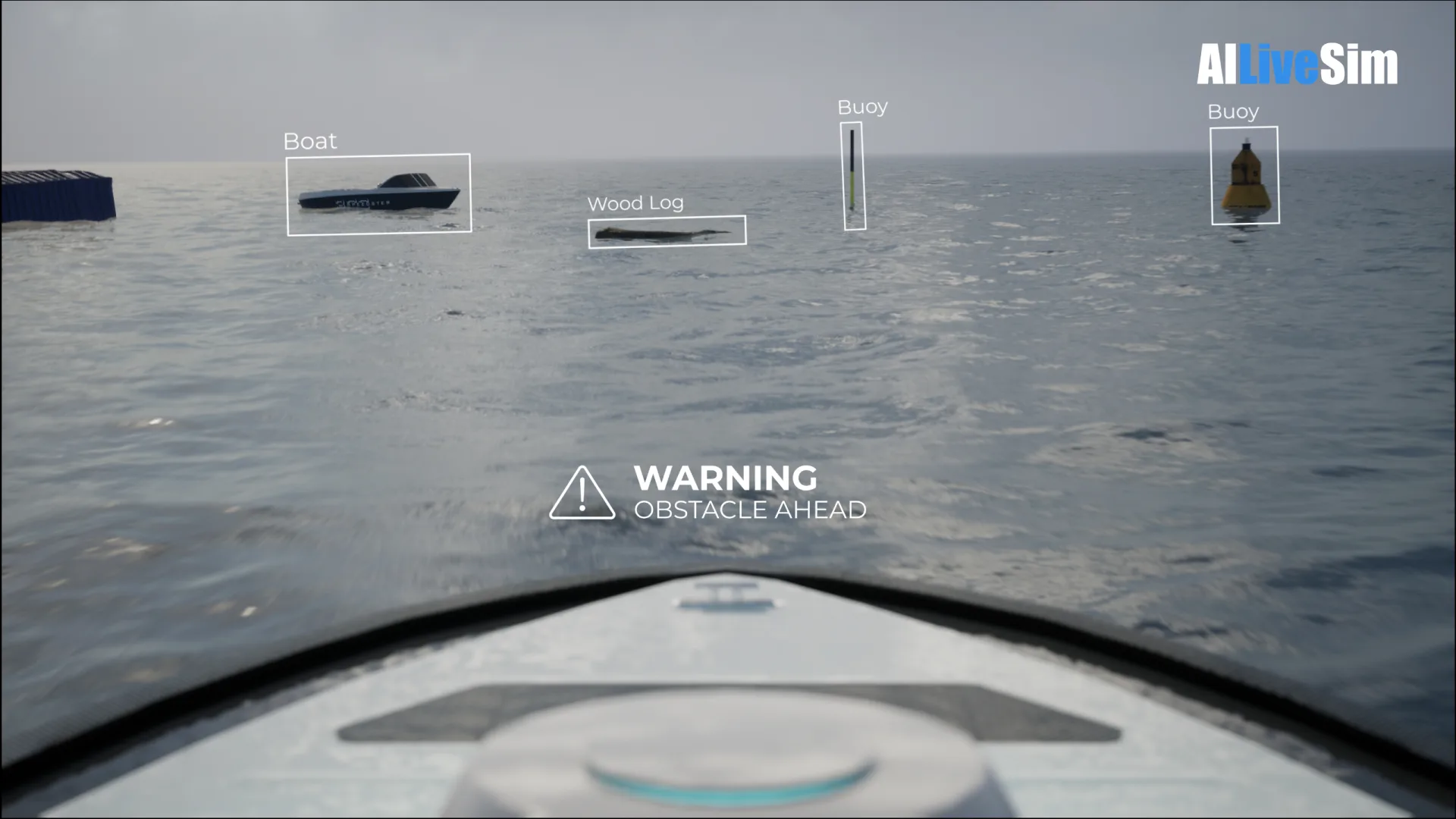
Article
Have You Tested Enough? Intelligent System Testing and the Coverage Problem
Test volume measures effort, not proof. How Intelligent System Testing samples scenarios adaptively to map where an autonomous system works, where it fails, and which combination of conditions moves it from one to the other.

AILiveSim
August 22, 2026 • 4 min read
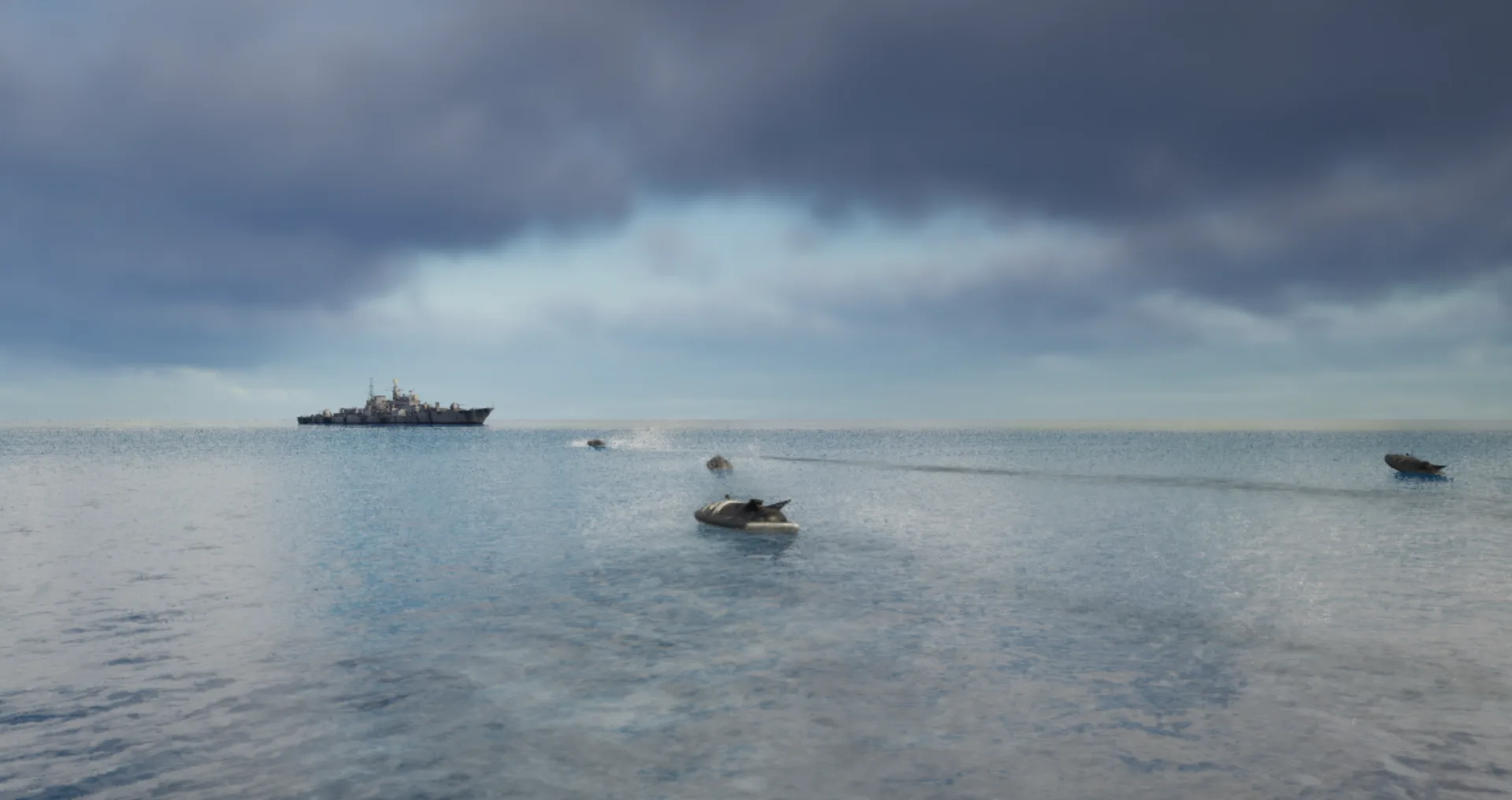
Article
Swarm Defense Testing: Measuring Intercepts, Not Detections
Why no volume of captured data validates swarm defense: adversarial scenarios generated live around the system under test, scored as intercepts achieved versus hits on the protected vessel across repeatable, parameterizable waves.
AILiveSim
August 17, 2026 • 4 min read
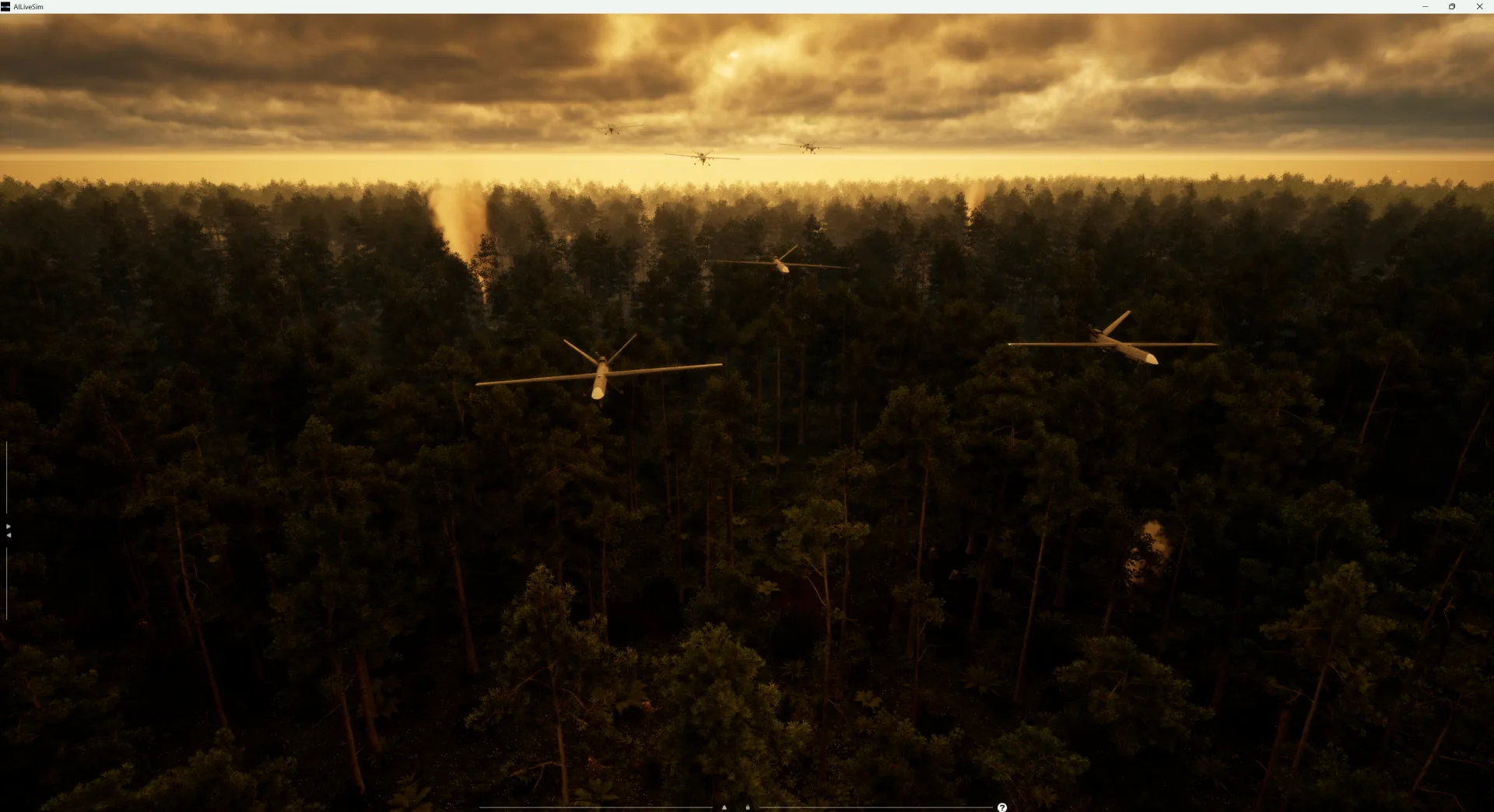
Article
Counter-Drone Detection: Why Precision Fails Before Recall Does
Why counter-drone detection fails on precision before recall: negative-class coverage by sensor channel, and scoring threats neutralized alongside friendlies preserved on repeatable, configurable drone waves.
AILiveSim
August 13, 2026 • 4 min read
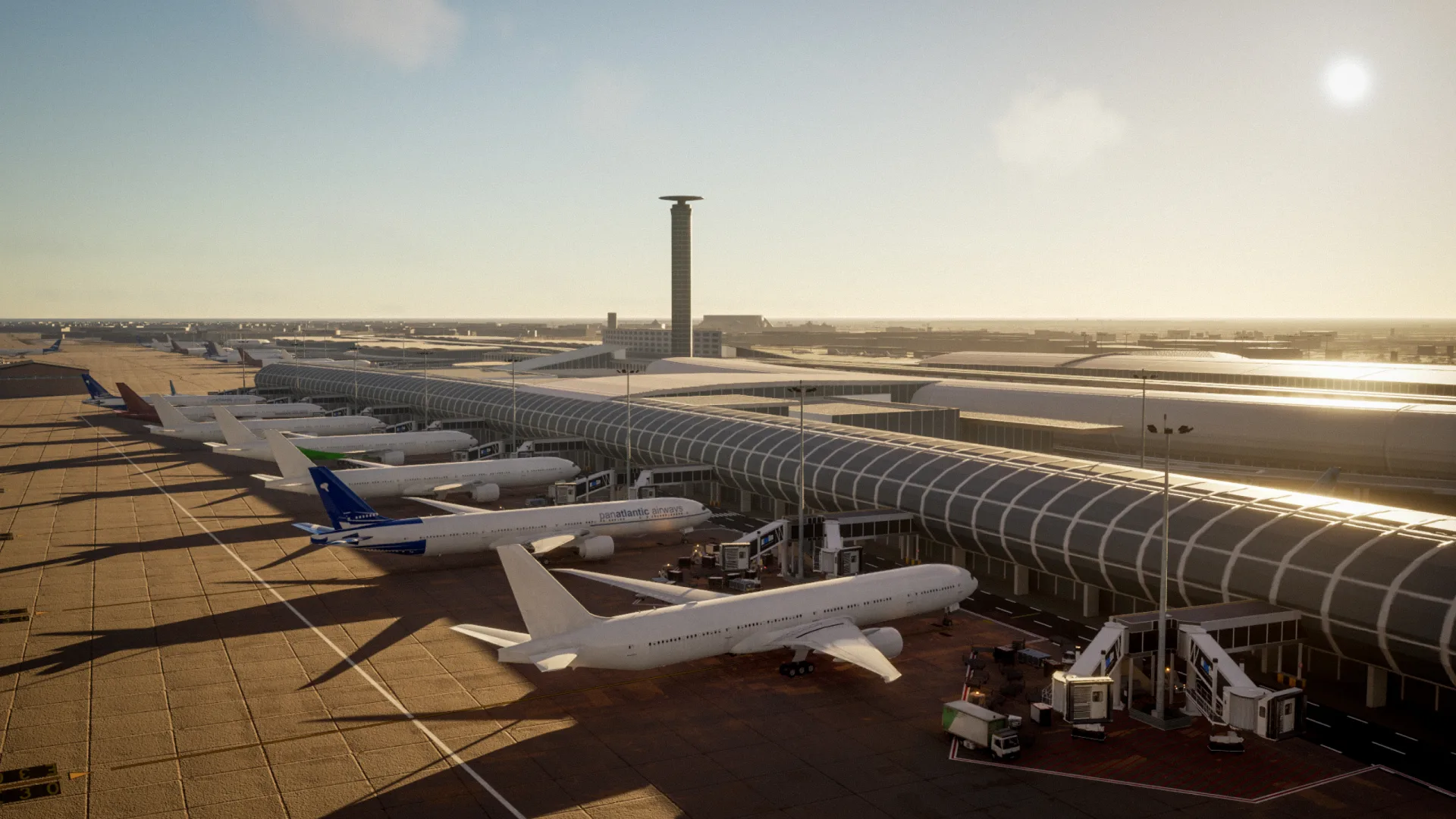
Article
What Has to Be Inside an Airport Digital Twin Before It Is Worth Anything
What an airport digital twin must contain before it is worth anything: rare surface conditions, four time-aligned sensors, automatic labelling, and procedural generation that extends to your airport.
AILiveSim
August 10, 2026 • 4 min read

Discover the benefits of synthetic data and simulation
By navigating on this site you agree that we use only minimal cookies required for this site to function. We do not monetize your data.