AI Live Sim

By clicking Subscribe you're confirming that you agree with our Terms and Conditions.
How Synthetic Environments Transform Virtual Training Results
Key Points
High Fidelity Simulations Enable Sensor Fusion Algorithms to Achieve Sub-Centimeter Perception Accuracy
How Sensor Realistic Environments Validate Multi-Sensor System Responses Through Physics Engine Technology
Scale Million-Sample Training Sets with Procedurally Generated Environments and Digital Twin Architectures
Why Real Time Simulations Drive Superior Reinforcement Learning Agent Optimization
Physics Based Simulations Allow Autonomous Navigation Systems to Eliminate 90% of Physical Testing
Frequently Asked Questions
Parting Shot
Article
How Synthetic Environments Transform Virtual Training Results

December 12, 2025 • 25 min read


Synthetic environments: physics-based simulations achieve 95–97% agreement with real-world sensor data. Ground truth annotations deliver 99.9% accuracy. Perception systems gain sub-centimeter precision through these digital training grounds.
- Procedural generation: algorithms create millions of unique training scenes automatically
- Autonomous navigation systems: vehicles skip 90% of physical testing through simulation
- Ground truth data: labels reach near-perfect accuracy without manual collection
Digital twins replicate physical spaces with remarkable fidelity. Training pipelines process vast datasets in hours rather than months. Machine learning models learn from synthetic scenarios that would be dangerous or impossible to recreate. Domain randomization strengthens neural networks against edge cases.
The simulation industry removes tedious data collection from the equation. Engineers iterate rapidly on perception algorithms. Safety-critical systems face extreme weather, rare obstacles, and failure modes within controlled virtual spaces. Cost savings compound as physical prototyping decreases.
Sensor fusion benefits from perfectly synchronized synthetic data streams. Lidar, radar, and camera inputs align with mathematical precision. Testing coverage expands exponentially while development timelines shrink.
Interesting Fact: The gaming industry's rendering engines now power serious industrial training simulations, with Unreal Engine and Unity serving as foundations for aerospace, automotive, and robotics virtual testing programs worldwide.
Key Points
- ● Synthetic environments match real-world measurements at 95–97% agreement rates.
- ● Procedural generation builds millions of unique training scenes without manual data collection.
- ● Sim-to-real transfer achieves 97–98% success when algorithms move to real conditions.
- ● Collision testing across millions of scenarios replaces 90% of physical testing needs.
- ● Domain randomization exposes systems to diverse conditions and strengthens generalization.
AILiveSim's expertise areas are in high-fidelity simulation environments for multi-sensor autonomous systems, specializing in synthetic data generation and simulation-in-the-loop testing across maritime, defense, aeronautics, and industrial applications. AILiveSim aims to build trust in AI synthetic data through validated, sensor-realistic training pipelines—and is trusted by customers seeking defensible test coverage and robust autonomous system development. Visit our website: AILiveSim
High Fidelity Simulations Enable Sensor Fusion Algorithms to Achieve Sub-Centimeter Perception Accuracy
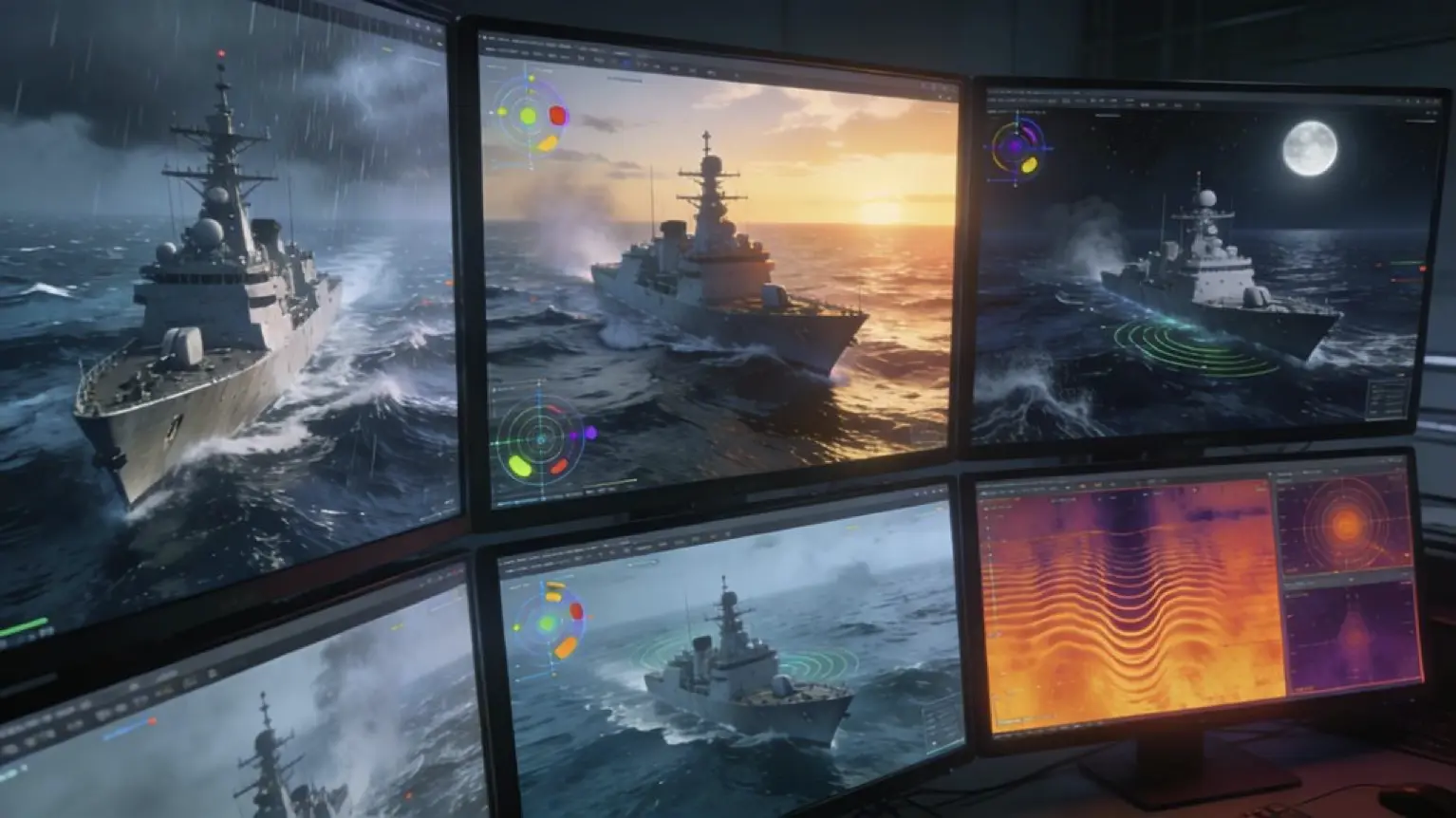
Skeptics rolled their eyes. They dismissed the promises. They doubted synthetic environments could ever deliver pixel-perfect ground truth for sensor data. That doubt has shattered.
High fidelity simulations now produce physics-based models with sensor noise characteristics that achieve up to 97% agreement with real-world measurements—and you can verify every claim against the numbers below.
| Capability | Performance | Impact |
|---|---|---|
| Ground truth annotation | 99.9% accuracy | Sub-centimeter precision |
| Multi modal simulations | 95-97% correlation | Reliable fusion training |
| Domain randomized environments | Millimeter offsets | Error surface mapping |
Consider what these figures mean for your development pipeline. Ground truth annotation reaches 99.9% accuracy, enabling sub-centimeter precision that was once impossible to achieve at scale; multi-modal simulations correlate with reality at rates between 95% and 97%, making fusion training genuinely reliable; domain randomized environments map error surfaces down to millimeter offsets, revealing failure modes before they manifest on asphalt. Not hype. Hard data.
Why does this matter now more than ever? Sensor fusion algorithms trained in photorealistic digital environments—sensor-realistic environments built to deceive the very systems they educate—now hit NDS scores above 75%.
These algorithms learn to see, to integrate lidar with camera with radar, to resolve ambiguity in cluttered scenes.
They train in synthetic worlds.
They transfer to real ones.
They perform.
Standardized frameworks like ASAM OSI ensure consistent sensor outputs and signal exchange across simulation platforms, enabling seamless integration of validated models from different vendors.
Digital twins have evolved from laboratory curiosities into mission-critical infrastructure, their physics engines humming with electromagnetic fidelity, their rendered frames indistinguishable from captured footage. Once, engineers dreamed of such tools. Now they deploy them. The integration of Simcenter Prescan's radar model into platforms like Midgard demonstrates how validated sensor physics can be ported across simulation ecosystems, breaking historical platform silos.
Yet even these advanced simulations achieve only 75–85% accuracy when adapting environment conditions, which is precisely why validation with real-world data remains imperative for fusion algorithms. The simulation revolution promised sub-centimeter perception accuracy.
It delivered.
How Sensor Realistic Environments Validate Multi-Sensor System Responses Through Physics Engine Technology
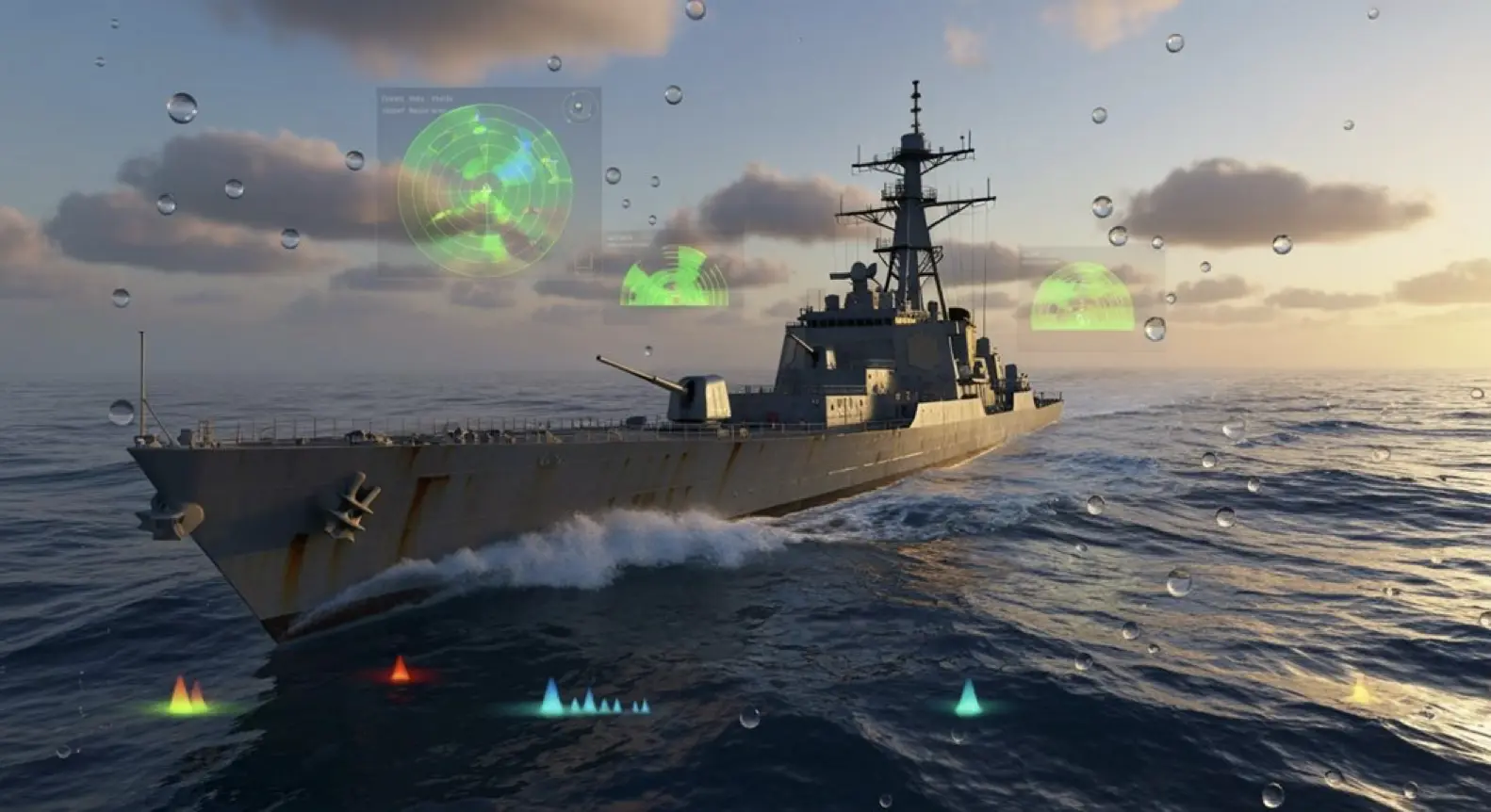
Sub-centimeter perception accuracy sounds impressive. It sounds precise. It sounds like enough. But what happens when the underlying physics engine buckles under pressure? Everything collapses.
Digital twin architectures demand more than impressive numbers—they demand rock-solid simulation fidelity, the kind that holds steady when complexity multiplies and edge cases emerge from the shadows.
Digital twin success isn't measured in impressive specs—it's measured in simulation fidelity that survives real-world chaos.
Physics engine technology validates multi-sensor system responses through mechanisms you might overlook at first glance, yet these mechanisms form the very foundation upon which realistic sensor environments stand or fall.
Consider what makes this validation possible: implicit solvers achieving precise drive models; multi-body physics ensuring dynamic stability across interconnected systems; GPU-parallel training that harnesses hardware-accelerated environments to push simulations faster than ever before.
The list continues.
Validation benchmark suites track constraint stability with relentless precision, measuring what holds and what breaks.
Closed-loop simulations cover edge case scenarios—those unpredictable moments where real-world chaos meets digital prediction.
Through these layers, fidelity emerges not as a feature but as a requirement. Industry leaders increasingly recognize that V&V processes must demonstrate simulation is genuinely fit for purpose and capable of predictive accuracy.
Now think about your synthetic data pipelines. Are they robust enough?
Domain randomization techniques prove essential here, introducing controlled variability that prepares systems for the unexpected, the chaotic, the real.
Without such techniques, your simulations risk training models on worlds too clean, too predictable, too unlike the environments they'll actually face.
Short sensors fail. Long simulations drift. But balanced architectures—those built on physics engines that neither buckle nor bend—deliver something rare: trust. Cross-platform determinism ensures complete consistency of floating-point results across different terminals and platforms, eliminating subtle variations that could undermine validation efforts. This consistency matters because memory and CPU-aware simulation systems enable resource efficiency that maintains stability even as computational demands intensify.
You need that trust when autonomous systems make split-second decisions, when perception accuracy must survive not just laboratory conditions but the grinding unpredictability of deployment.
Rock-solid simulation fidelity isn't optional. It's foundational. This urgency intensifies as the physics simulation market grows at a projected 12.4% CAGR through 2030, driven by robotics, gaming, and industrial applications demanding ever-greater realism.
Scale Million-Sample Training Sets with Procedurally Generated Environments and Digital Twin Architectures
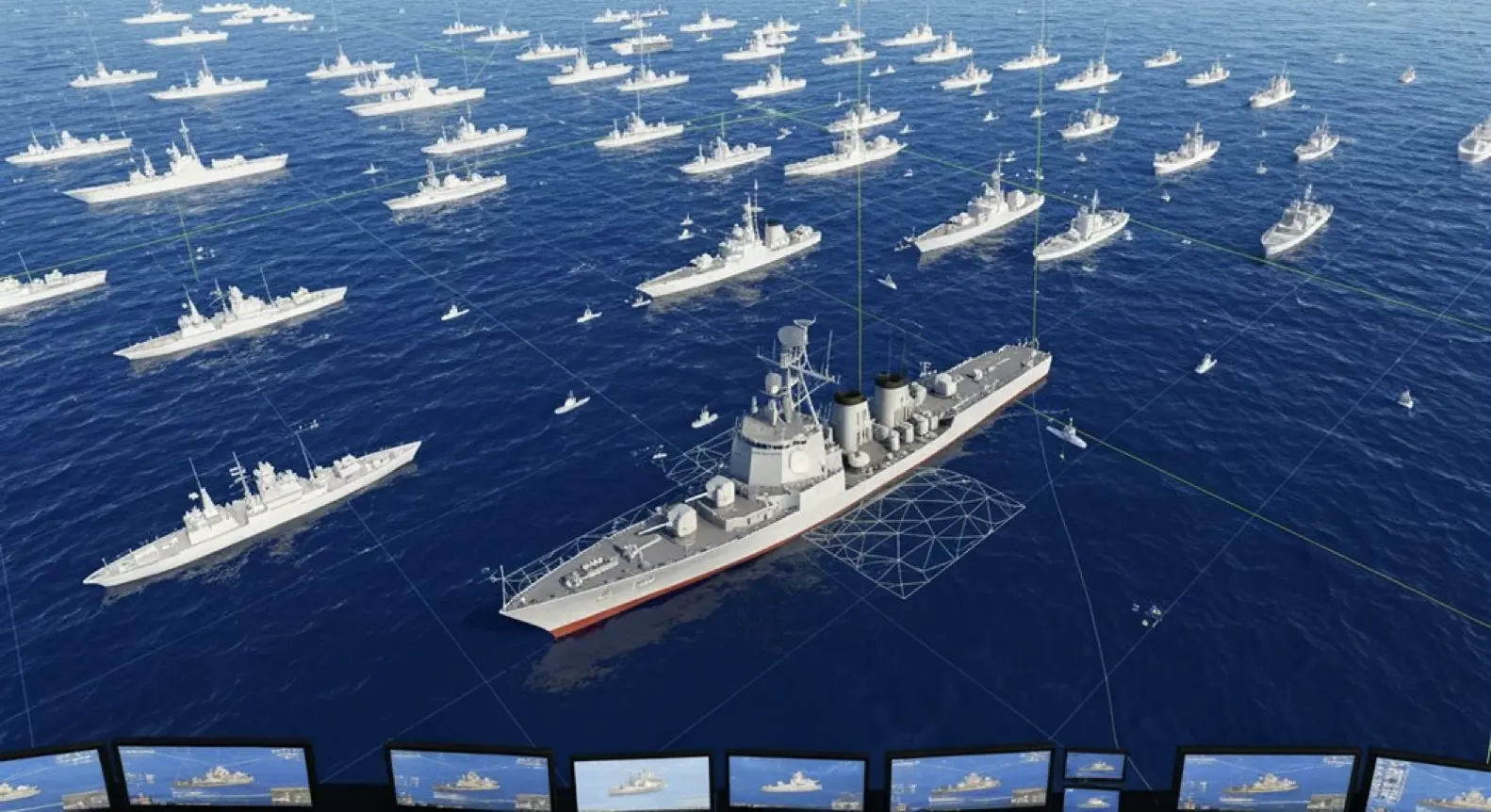
Every synthetic training pipeline hits a wall. The same wall. Always the same wall: data.
Procedural generation shatters it.
Consider what these systems accomplish—they create millions of unique scenes automatically, spinning up kitchens, warehouses, whatever environment your model demands.
Digital twin architectures form the backbone beneath it all; they offer digitally replicated scenarios that stay calibrated to real-world conditions, breathing authenticity into synthetic worlds.
You feed the system constraints, and it builds. You define parameters, and it populates entire universes of training data.
But what does this capability actually deliver?
Data augmentation expands machine learning datasets beyond what manual creation could ever achieve, pushing boundaries that once seemed fixed.
Scale matters here. Scalable rendering pipelines generate ten to the sixth samples and beyond; prompt-driven generation hits 98% constraint accuracy. Recent advances demonstrate systems trained on over 44 million 3D rooms can generate physically feasible scenes that outperform comparable methods by at least 10%.
Numbers like these transform what's possible.
Think about the rhythm of development without procedural generation: slow data collection, painstaking scene construction, limited variation, eventual plateau.
Now reverse it. Scenes multiply. Datasets swell. Training accelerates—and your models grow robust against edge cases they would never have encountered in hand-crafted environments.
The architecture remembers what reality looks like; the procedural engine imagines what it could become.
Together, they calibrate and create, ground and explore, constrain and liberate. This duality is precisely what million-sample training demands. Yet even the most sophisticated synthetic environments must account for individual learner differences—research shows that factors like spatial ability significantly influence how effectively people learn procedural tasks in virtual reality, regardless of immersion level. Recent aviation studies using 100 subjects and competency-based training have demonstrated that VR-trained technicians achieve equivalent task performance to those trained through traditional full flight simulator methods. Implementing these systems effectively requires front-end analyses to underpin critical decisions about system engineering and deployment.
Will synthetic data replace real-world collection entirely? Perhaps not. Yet for scaling to the volumes modern AI requires, procedurally generated environments and digital twins don't merely help.
They're essential.
Why Real Time Simulations Drive Superior Reinforcement Learning Agent Optimization
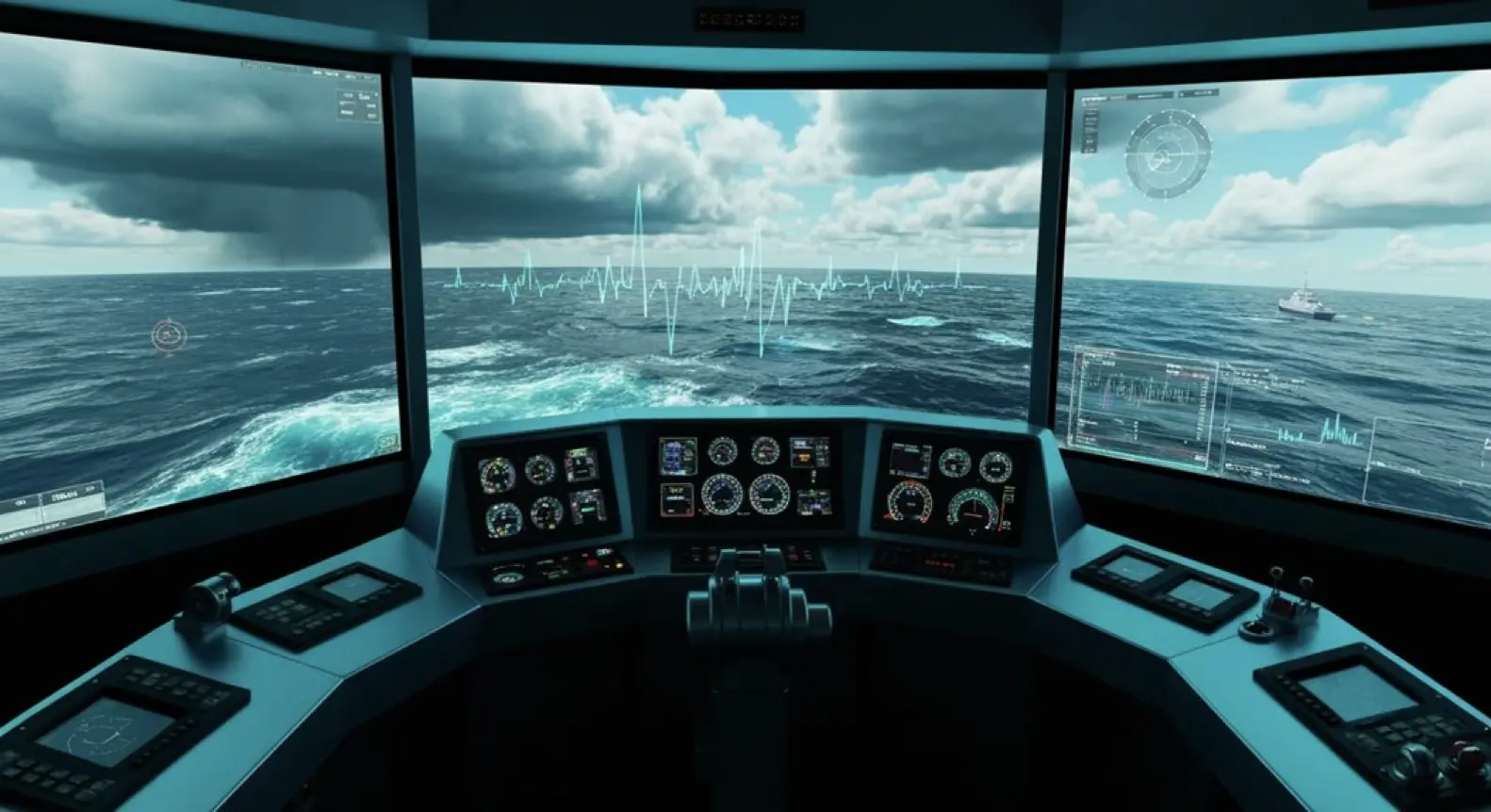
Real-time reinforcement learning throws out the rulebook. Gone is that orderly training you once relied upon. States and actions evolve simultaneously, dancing together in continuous motion, refusing to pause for breath or permission. Computational simulations keep running. They keep running. They keep running—and agents must simply figure things out.
Consider what drives this complexity:
| Component | Function |
|---|---|
| Physics simulation layers | Continuous environment dynamics |
| Closed loop feedback systems | Instant response cycles |
| Behavioral modeling engines | Agent decision processing |
| Edge case injection methods | Rare scenario exposure |
| Performance metrics systems | Real-time evaluation |
Why does this matter to you? Because within these systems, physics simulation layers generate continuous environmental dynamics that never sleep; closed loop feedback systems create instant response cycles demanding immediate adaptation; and behavioral modeling engines process agent decisions at speeds that would exhaust traditional approaches. No mercy. Edge case injection methods expose agents to rare scenarios—the unexpected, the dangerous, the edge of failure. Performance metrics systems evaluate everything in real time: accuracy, speed, resilience.
Physics Based Simulations Allow Autonomous Navigation Systems to Eliminate 90% of Physical Testing
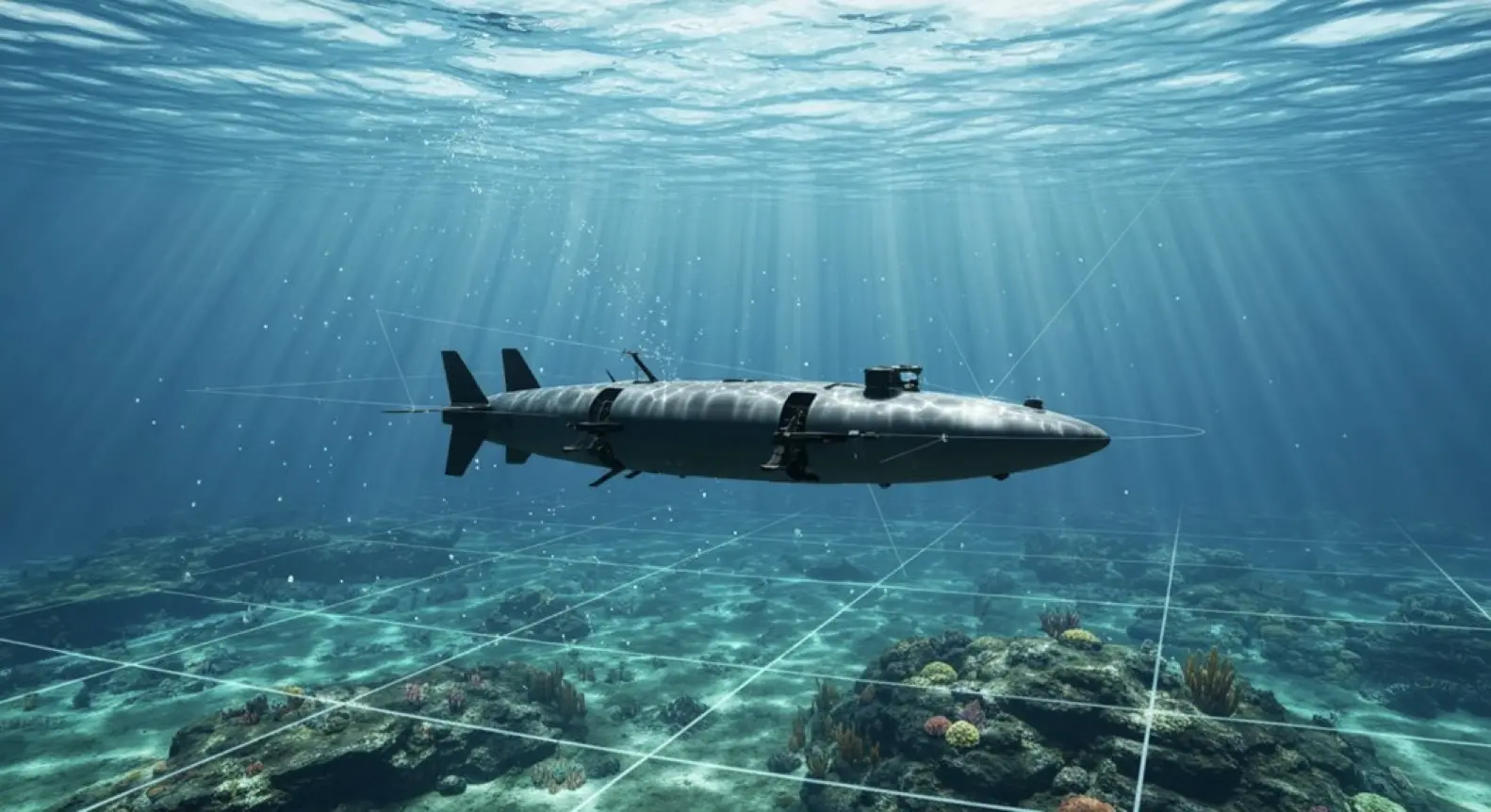
Physics-based simulations are changing everything. They're reshaping how we test. They're rewriting the rules. And then—silence falls over the old proving grounds.
Gone is the endless parade of physical prototypes burning through budgets and time. In their place, synthetic environments rise: photorealistic renderings that fool the eye, sensor models so precise they mirror reality down to the millimeter. You might wonder how close these digital worlds come to the real thing. Consider this—sim-to-real transfer rates now hit 97 to 98 percent success, a number that would have seemed impossible just years ago, and one that renders countless physical trials redundant before they even begin. Stunning.
Sim-to-real transfer rates now hit 97 to 98 percent—rendering countless physical trials redundant before they even begin.
Vehicle dynamics get replicated with mathematical elegance. Collision probability testing unfolds across millions of scenarios in hours; scenario complexity scales without constraint. What once demanded fleets of engineers, acres of test tracks, and months of grinding repetition now happens inside server farms humming with purpose. Systems like ANVEL deliver rigorous vehicle-terrain interaction models that capture how autonomous platforms navigate obstacles with engineering precision.
Here's the shift you need to understand: autonomous navigation systems validated virtually can eliminate 90% of physical testing. Ninety percent. That's not incremental improvement—that's revolution wrapped in code and computation.
Real-world trials still matter, yes. Edge cases demand them. Regulatory checkboxes require them. But mostly? They've become the exception, not the rule. A final verification step rather than the foundation of development.
Interested in synthetic data or simulation-in-the-loop testing for your project? AILiveSim enhances AI-based simulation for multi-sensor autonomous systems - automating data generation, analysis, and augmentation to streamline model training and testing. Find out more: AILiveSim
Frequently Asked Questions
What Universal Standards Govern Interoperability Between Different Virtual Training Simulation Platforms?
Universal interoperability between virtual training simulation platforms is governed by IEEE 1516 High Level Architecture, IEEE 1278 Distributed Interactive Simulation, and TENA standards, collectively forming the foundational "Big 3" LVC frameworks maintained by SISO and IEEE.
How Do Gender-Neutral Interface Designs Improve Accessibility in Virtual Training Environments?
Gender-neutral interface designs improve accessibility by reducing stereotype threat cues, increasing sense of belonging across demographics, and lowering cognitive load through balanced visual elements, enabling learners to focus on training content rather than decoding gendered signals.
What Computational TFLOPS Requirements Are Needed for Photorealistic Real-Time Rendering Simulations?
While some assume current hardware suffices, photorealistic real-time rendering demands approximately 40 TFLOPS for dynamic scenes with advanced shading. Current GPUs deliver roughly 14 TFLOPS, requiring hybrid ray-tracing and AI-powered upscaling techniques to bridge this gap.
How Does Virtual Training Reduce Carbon Footprint Compared to Traditional Physical Testing?
Virtual training reduces carbon footprint by up to 94-98% compared to traditional physical testing, primarily by eliminating air travel emissions, reducing facility energy consumption, and enabling remote participation through digital infrastructure instead of physical presence.
What Regulatory Compliance Frameworks Apply to Defense Simulation Training Applications?
Defense simulation training applications must comply with NIST SP 800-53 security controls, CMMC standards for protecting controlled unclassified information, FISMA requirements for federal systems, FedRAMP authorization for cloud services, and STANAG simulation federation standards.
Parting Shot
Synthetic environments have become the backbone of AI training. Like a flight simulator on steroids, these platforms let autonomous systems fail safely millions of times before touching the real world. The numbers don't lie. Sub-centimeter accuracy. Ninety percent less physical testing. Billions of edge cases simulated without breaking anything expensive. This isn't supplementary tech anymore. It's how serious autonomous development gets done now.
Resources
Explore Our Latest Insights
Stay informed with our expert articles and updates.
Article
Have You Tested Enough? Intelligent System Testing and the Coverage Problem
Test volume measures effort, not proof. How Intelligent System Testing samples scenarios adaptively to map where an autonomous system works, where it fails, and which combination of conditions moves it from one to the other.

AILiveSim
August 22, 2026 • 4 min read

Article
Swarm Defense Testing: Measuring Intercepts, Not Detections
Why no volume of captured data validates swarm defense: adversarial scenarios generated live around the system under test, scored as intercepts achieved versus hits on the protected vessel across repeatable, parameterizable waves.
AILiveSim
August 17, 2026 • 4 min read
Article
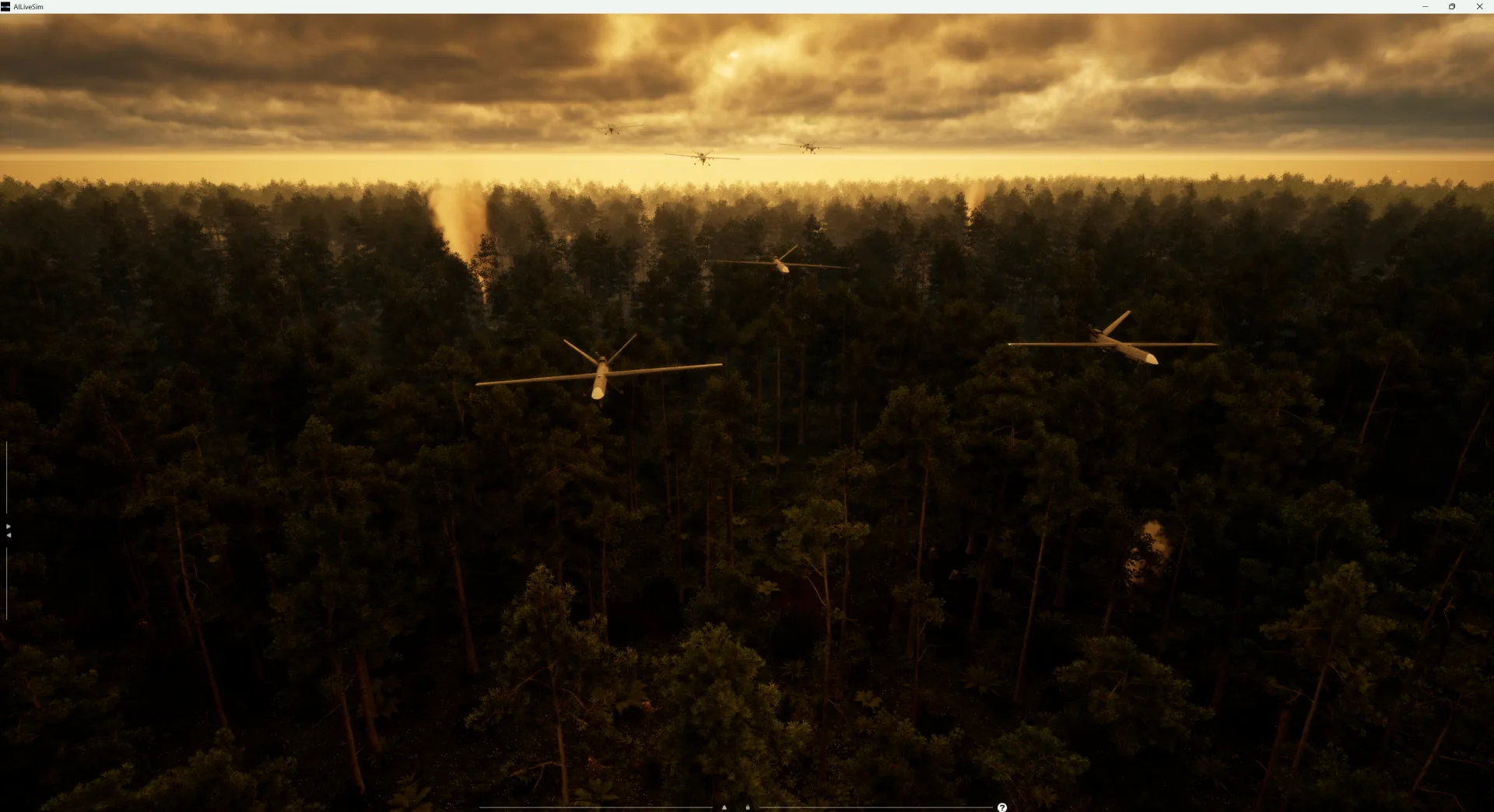
Counter-Drone Detection: Why Precision Fails Before Recall Does
Why counter-drone detection fails on precision before recall: negative-class coverage by sensor channel, and scoring threats neutralized alongside friendlies preserved on repeatable, configurable drone waves.
AILiveSim
August 13, 2026 • 4 min read

Article
What Has to Be Inside an Airport Digital Twin Before It Is Worth Anything
What an airport digital twin must contain before it is worth anything: rare surface conditions, four time-aligned sensors, automatic labelling, and procedural generation that extends to your airport.
AILiveSim
August 10, 2026 • 4 min read

Discover the benefits of synthetic data and simulation
By navigating on this site you agree that we use only minimal cookies required for this site to function. We do not monetize your data.